Managing Chaos: Policing, Protests, and Public Safety at Mega Sports Events
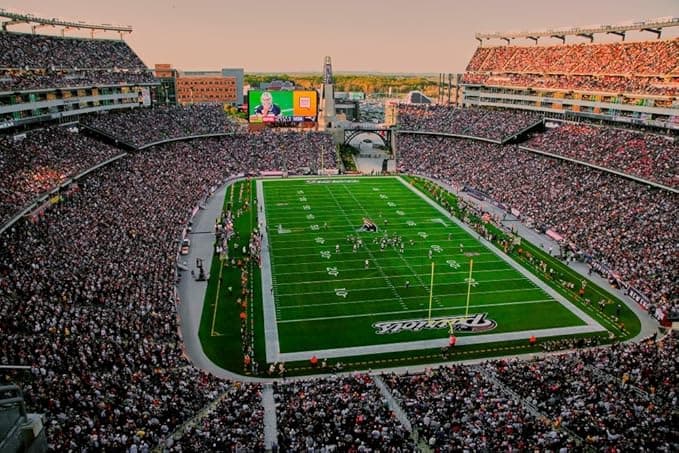
If you want to understand how to manage a massive event like the Super Bowl, start by accepting one uncomfortable truth: once the gates open, you’re not running a game anymore-you’re running a temporary city. That city has its own transportation system, hospital network, political tensions, crime problems, and media ecosystem, all compressed into a few square miles for a few intense days.
...one of my favorite radio transmissions when working in the joint operation command while the president was visiting NYC, "Wheels up, great job everyone- get home safe
Building the safety game plan
For events the size of the Super Bowl, planning typically starts 18-24 months out and is organized as a formal "special event" with a federal designation that unlocks national resources. In recent years, the Super Bowl has been treated as a top tier special event, which means the Department of Homeland Security designates a federal coordinator and brings in agencies like the FBI, ATF, Coast Guard, Customs and Border Protection, TSA, and the Cybersecurity and Infrastructure Security Agency.
Think of the local police chief or sheriff as the mayor of this temporary city, with the DHS coordinator as the city manager making sure federal, state, and local assets plug into one picture. That picture includes not just the stadium, but fan festivals, team hotels, airports, transit hubs, and the surrounding nightlife where crowds and threats are just as real.
The command post: brain of the operation
At the center of it all is the multi-agency command center, usually stood up days before kickoff and running 24/7 until the last VIP jet wheels up (one of my favorite radio transmissions when working in the joint operation command while the president was visiting NYC, "Wheels up, great job everyone- get home safe"). Inside, you’ll find local police and fire, emergency management, state police and highway patrol, federal partners, stadium security, and sometimes private tech firms providing real-time threat monitoring and open source intelligence.
The command post functions like an air traffic control tower for public safety: intelligence comes in, operators watch drone feeds and fixed cameras, analysts track social media chatter and cyber threats, and field commanders get real-time guidance. Modern events lean heavily on dedicated public safety communication networks like FirstNet, plus portable cell sites and redundant radio channels, to keep everyone talking even when 70,000 fans are live-streaming at once.
A useful example: for a recent Super Bowl in the Bay Area, officials described "multiple command centers" region-wide, connected by shared intelligence systems so Santa Clara, San Francisco, and San Jose could act as one integrated safety zone rather than three separate jurisdictions.
Policing the ground: visible and invisible
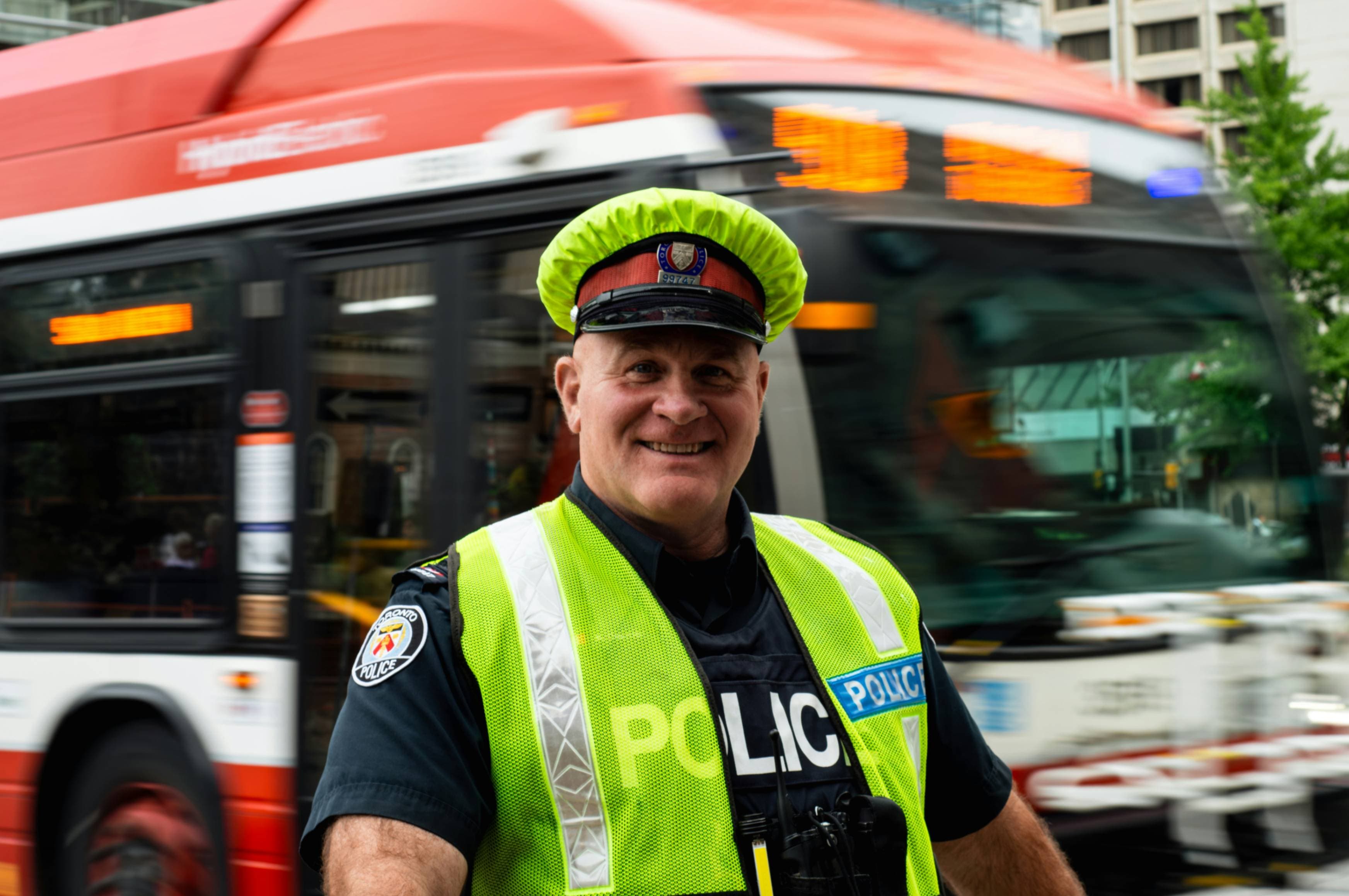
On the ground, the policing strategy is deliberately layered. You’ll see uniformed officers at gates and along pedestrian routes, mounted units or bike teams in fan zones, and DUI enforcement units positioned on the roads leading to and from the stadium. You won’t see the plainclothes teams, detectives working pickpocket crews, undercover officers watching for weapons or fights, and federal agents scanning for terrorism indicators.
Above them, aviation and drone units patrol a restricted airspace bubble around the venue, with federal teams ready to detect and neutralize unauthorized drones. Maritime units may patrol nearby waterways if the stadium is near a port or river, turning what looks like a simple football Sunday into a joint air, land, and sea operation.
Medical, fire, and catastrophic risk
Treating the event like a city also means you need a mini health system on site. Inside and around the stadium, EMS teams set up aid stations for everything from dehydration and heart attacks to slips, falls, and alcohol related injuries. Fire departments pre-position units for structure fires, hazmat incidents, and mass-casualty scenarios, often supported by state emergency management agencies and National Guard elements trained in CBRN (chemical, biological, radiological, and nuclear) response.
At recent Super Bowls, the federal footprint has included helicopters capable of scanning for radiological or nuclear material, bomb technicians, and hazardous device specialists staged to respond quickly if something looks wrong. Behind the scenes, hospitals across the region run coordinated plans for surge capacity, trauma care, and patient distribution in the event of a major incident.
Dignitaries, VIPs, and protests
Add high-profile dignitaries, and you’ve now layered diplomatic security and political risk onto the mix. The Secret Service may protect certain VIPs, while local police handle motorcades, secure routes, and off-site events. Routes to and from airports, team hotels, and boxes must be planned so that a presidential motorcade, for example, doesn’t collide with fans on foot or emergency vehicles trying to move.
In the current climate, large events almost guarantee protest activity, sometimes directed at sponsors, federal policy, or law enforcement. Planners identify likely protest locations-plazas, transit stations, stadium approaches-and build out two parallel plans: one to protect speech rights, and another to intervene quickly if violence, highway blockages, or property destruction occur. That forces security leaders to think hard about optics, de escalation, and clear communication with fans.
Petty crime, from pickpockets to car break-ins
While the headlines focus on terrorism and mass violence, the reality is that opportunistic crime can quietly ruin thousands of fans’ nights if it isn’t managed. At major tournaments and championship events, there are often spikes in pickpocketing, phone snatching, and vehicle break-ins around fan zones, bars, and open-air parking lots.
Smart event commanders assign dedicated teams to this threat: plainclothes officers in fan zones, specialized theft squads around transit hubs, and license plate readers or directed patrols in high risk parking areas. Public messaging matters, too. Simple announcements about watching your belongings, using clear bags, and not leaving valuables in cars can dramatically cut down losses.
Traffic and the "stadium city" streets
Traffic management is where the event truly feels like city building. Agencies design temporary traffic patterns that create vehicle-exclusion zones around the stadium, protect pedestrian flow, and prioritize emergency access routes. State transportation departments and highway patrols handle freeway ramps, reversible lanes, and dynamic message signs, while local agencies manage street closures and drop-off zones.
The goal is to avoid gridlock that traps ambulances, fire trucks, or motorcades while still moving tens of thousands of people in and out. For Super Bowl-scale events, traffic management runs all week, not just on game day, because fan festivals, concerts, and rallies create rolling hotspots that shift by the hour.
Managing the media and the narrative
Layer on thousands of journalists, live TV trucks, influencers, and unofficial streamers and you have another challenge: the story of your event is being written in real time by people who can shine a spotlight on any misstep. To manage that, public safety leaders usually embed public information officers in the command post so that when something happens-a gate delay, a protest, a suspicious package-accurate information can be pushed out quickly.
Some agencies now pair their media teams with cyber and threat intel partners who can watch misinformation trends online and correct them before they cause panic or crowd movements. After past incidents at large sports celebrations, agencies have learned that confused, delayed communication can be almost as damaging as the incident itself.
The hidden player: cyber and infrastructure
In the background, cyber teams protect ticketing systems, stadium networks, broadcast infrastructure, and public safety communications from disruption or ransom attempts. Security teams use integrated platforms to guard against phishing, malware, and ransomware targeting digital operations during championship events.
At the same time, regional partners use tools that fuse open source data, emergency calls, and sensor inputs to alert commanders to emerging risks-anything from an online threat to a sudden crowd surge at a fan party. When it works, the cyber layer feels invisible to fans, but it often makes the difference between a quiet adjustment and a full-blown crisis.
World Cup
This summer (2026), that choreography will be on full display when the World Cup comes to New York and New Jersey, with eight matches at MetLife Stadium and a projected flood of visitors moving through JFK, LaGuardia, Newark, Penn Station, and Secaucus in a matter of weeks. Since 2017, New York and New Jersey have been planning in lockstep for this moment, treating the tournament like an extended Super Bowl season: building layered security perimeters around the stadium, standing up joint transportation plans, and coordinating everything from fan festivals to hotel security across two states and multiple major cities. Officials are pushing for a top-tier federal special event rating, which unlocks the same kind of overtime funding, bomb detection gear, and counter-drone tools you’d expect at a Super Bowl, but scaled for a month-long global tournament instead of a single Sunday.
The “temporary city” this time stretches far beyond the Meadowlands, with NJ Transit, the Port Authority, and New Jersey DOT rehearsing how to move roughly 20,000 people per hour out of MetLife by rail while still serving daily commuters, and rolling out campaigns like “Safe Passage” to tackle human trafficking and other hidden crimes along the transit spine. The New York New Jersey host committee describes its job as handling everything outside the stadium-security, transportation, fan engagement, and economic impact-which in practice means blending World Cup security best practices (layered perimeters, transit hub protection, VIP and media zones) with New York’s everyday realities: protests, packed subways, multiple languages, and a constant media presence ready to amplify any misstep.
Front row seat to the greatest show on Earth
I have had a front row seat to the greatest show on earth at the NYPD, watching this choreography play out in real time. What a ride, I wouldn't change a thing. Managing an event like the Super Bowl and the World Cup is less about heroics and more about disciplined choreography: hundreds of agencies, thousands of people, and an entire region moving in sync for a single weekend. Done right, fans remember the game, not the machinery that kept them safe. Stay safe, everyone!
More from 2 Topics
Explore related articles on similar topics