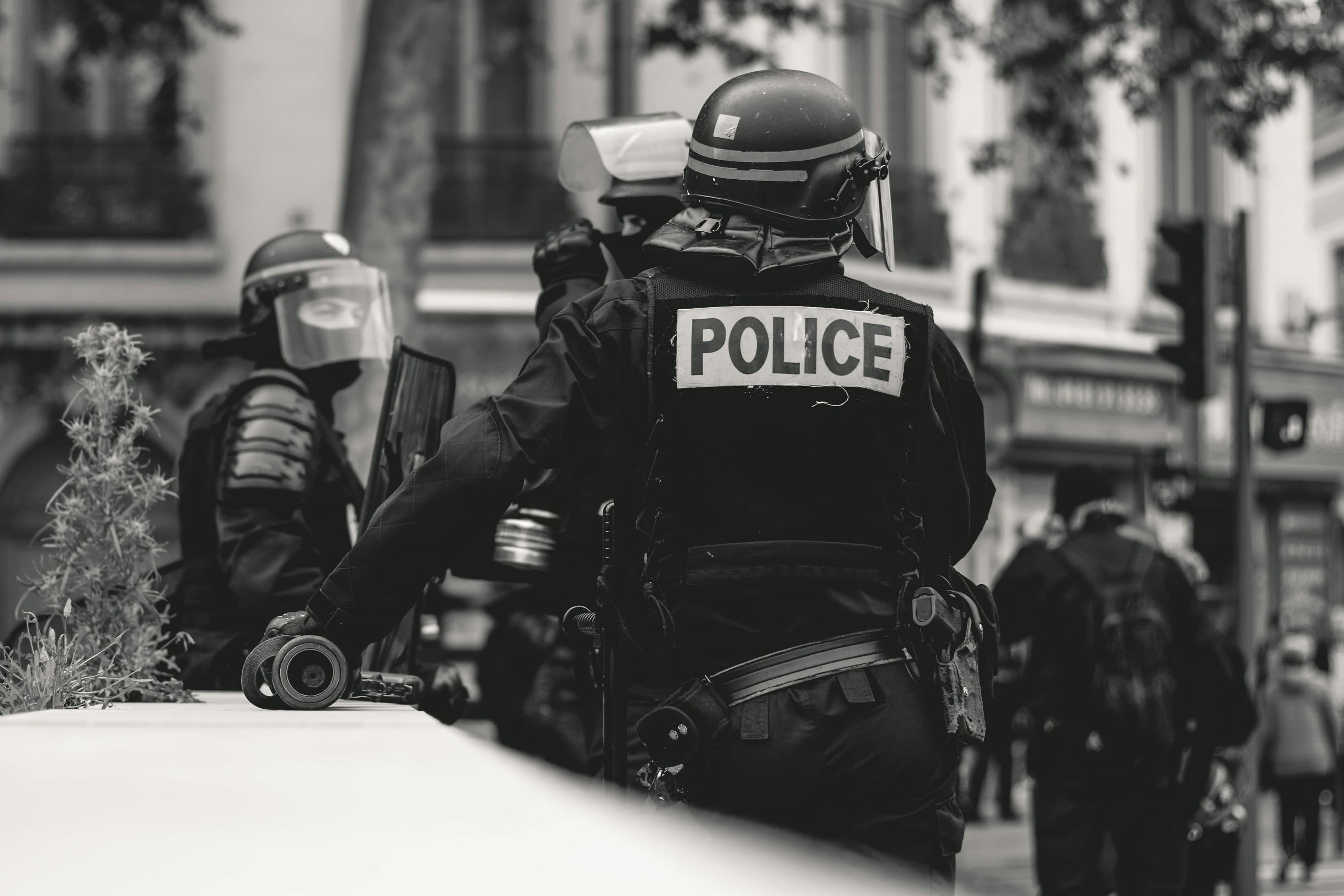
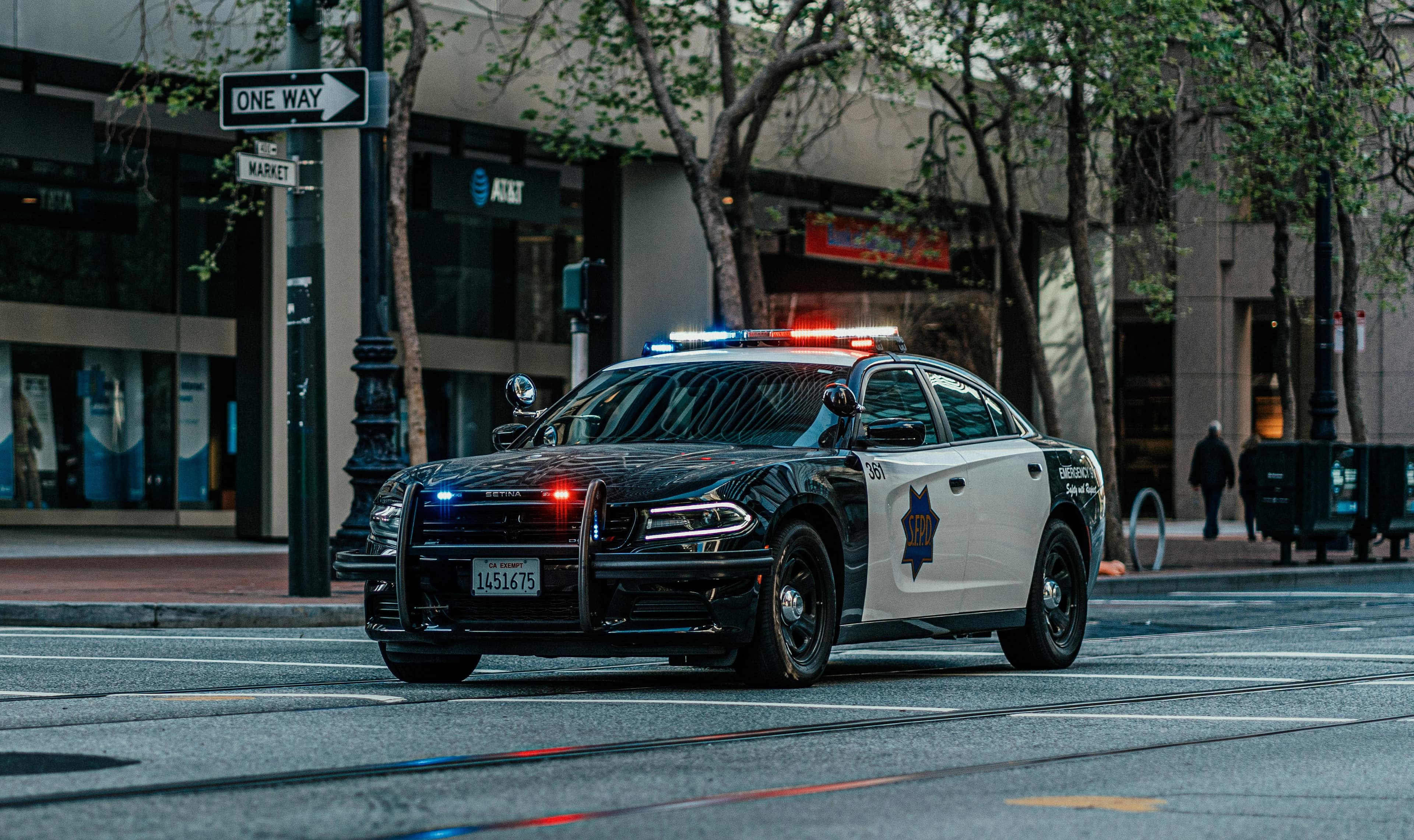
Behind the Badge: The Human Reality of a Police Officer’s First Arrest

The first arrest of any police officer’s career is an eye-opener. It solidifies the transition from civilian life to government agent - a change forged through rigorous training, personal transformation, and the Police Academy.
As civilians, we observe arrests from the outside. We watch people break the law, see their freedom taken away in full display - handcuffs secured, escorted into a vehicle, driven off to be held accountable. As police officers, we experience that moment firsthand.
That first arrest often triggers memories of the first time we ever witnessed someone else being arrested. For some, it was exciting - watching someone we perceived as a criminal face consequences and giving a play by play to anyone who would listen. For others, it was traumatic: seeing someone familiar from the neighborhood, or even a family member, taken away for reasons we didn’t fully understand at the time.
That first arrest is undeniable proof that the responsibility is now real. There’s no turning back.
Your peers are watching - quietly analyzing what you’re thinking and how you’ll handle it, already preparing for the inevitable Monday-morning quarterbacking. Your supervisors have lived this moment countless times, yet you still feel the pressure to impress them: Did I do this right? How much help is appropriate? Did I miss anything?
At the same time, your thoughts drift to the person you’re arresting. Are they used to this? How will their family react? Why did they make the choices they did? What led them here?
Then the reality sets in - the act of placing another human being into a cage.
There’s a moment, sometimes just a split second, when the necessity of that isolation becomes clear. If it didn’t make sense before, it does now. It’s the separation of someone who cannot - or will not - abide by the basic rules of society from those who can.
It’s also a deeper understanding of the oath you took when you swore in: to protect and serve a community that, at times, may turn on you. You begin to grasp the weight of the badge - not just as metal on your chest, but as a symbol carried by men and women far better than us, many of whom sacrificed their lives to uphold its values.
That badge doesn’t represent us alone.
It represents those who came before us.
And more importantly, it represents the people we serve.
But behind the badge, behind the uniform and procedures, lies a human being. A person who must reconcile the emotional toll of enforcing the law with the need to remain composed, ethical, and compassionate. That’s where mental wellness comes in - not as a luxury, but as a necessity. Officers are often expected to rinse and repeat this process, day after day, without showing signs of fatigue. Yet the job demands much more than physical presence. It requires emotional strength, clarity of mind, and a support system that understands the weight being carried.
This is why peer support is so critical in law enforcement. Officers rely on each other to get through the difficult moments - whether it’s that first arrest or the hundredth. Over time, the community within the department becomes a lifeline. Informal conversations in the locker room, shared stories during shift changes, and quiet nods of understanding all contribute to a culture that promotes resilience. When done right, it helps officers process their experiences instead of burying them.
Supervisors and seasoned officers play an essential role too. Their guidance doesn’t just ensure protocol is followed - it also reminds newer officers that they’re not alone. Mentorship becomes a form of mental armor, helping others carry the emotional weight with a little more ease. The job may be hard, but it's less overwhelming when shared.
Departments that prioritize mental health resources - whether through counselors, chaplains, or wellness programs - are not just protecting their officers; they’re protecting the integrity of the profession. Officers who are mentally healthy are more likely to act with compassion, make sound decisions under stress, and uphold the values they swore to defend.
As officers learn to navigate the emotional and psychological challenges of the job, many find their own ways of coping: physical fitness, family time, faith, or hobbies that offer a break from the intensity of the field. But no matter the method, the goal remains the same - to preserve the human behind the badge. Because that humanity is what makes true service possible.
The first arrest may be a defining moment, but it’s only the beginning. What follows is a career built on repetition, reflection, and responsibility. And through it all, officers lean on each other - not just to survive the job, but to do it with integrity, compassion, and resilience.
In the end, law enforcement is not just about enforcing laws - it’s about standing for something greater than oneself. It’s about being the steady hand in chaos, the calm voice in conflict, and the shield when others need protection. Every officer’s journey begins with a single moment, but it is sustained by countless acts of courage, kindness, and quiet perseverance. And while the uniform may symbolize duty, it is the heart behind it that ensures the mission endures.
That heart - resilient, humble, and human - is what transforms a badge from a symbol into a promise. A promise to serve with honor. A promise to protect with empathy. And a promise to never walk this path alone.