Home Safe Home: Building Fire-Ready Families Through Preparedness
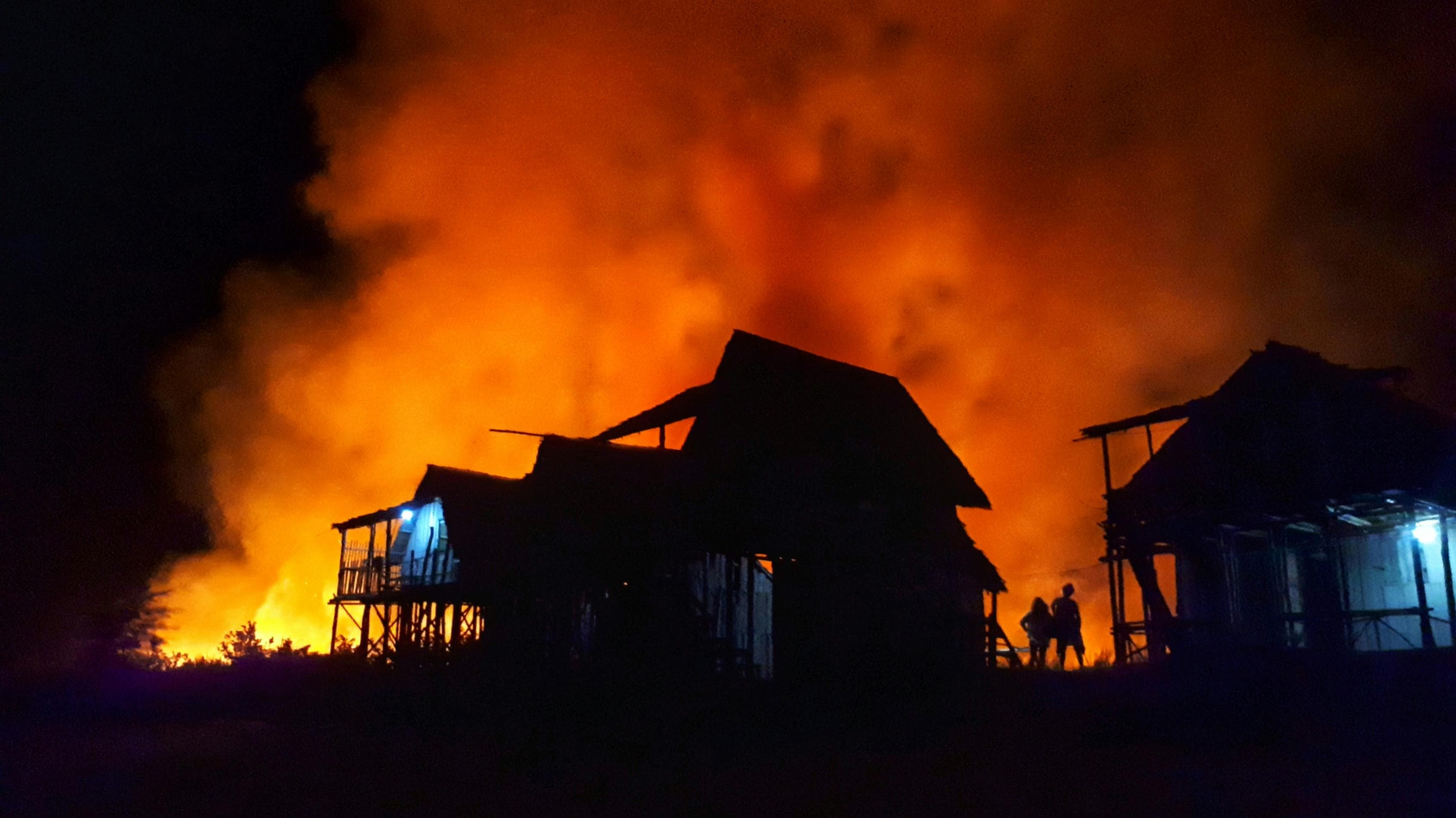
Having experienced a house fire firsthand, it's clear how crucial it is for every household to be prepared for emergencies. Basic safety tools like smoke detectors and fire extinguishers should be standard in every home, especially in rural areas where emergency response times may be longer. According to the National Fire Protection Association (NFPA), working smoke alarms reduce the risk of death in a home fire by 55%1. Ensuring that alarms are installed on every level of the home and tested monthly is a simple but powerful step toward safety.
Equally important is knowing how to use a fire extinguisher. The PASS method - Pull, Aim, Squeeze, and Sweep - is widely recommended and can be taught during community safety events or incorporated into local fire department outreach. Many departments offer free or low-cost training, especially during Fire Prevention Week each October. Additionally, households should develop and regularly practice a fire escape plan. The U.S. Fire Administration advises that everyone in the household should be familiar with two ways out of every room and a designated meeting spot outside2.
Heating Safety in Cold Weather Regions
Living in a cold-weather state like Maine brings added responsibilities when it comes to home heating safety. Portable space heaters and woodstoves are common in rural and older homes, but they also rank among the top causes of residential fires during winter months. According to the U.S. Consumer Product Safety Commission, space heaters alone cause more than 1,700 fires annually in the United States, resulting in about 80 deaths and 160 injuries3.
To reduce risk, homeowners should follow manufacturer guidelines for installing and operating heating equipment. For woodstoves, this includes routine chimney cleaning to prevent creosote buildup, proper ventilation, and using only seasoned wood. Space heaters should be placed at least three feet away from anything flammable and plugged directly into wall outlets rather than extension cords. Municipal fire departments can support residents by distributing heating safety checklists during the fall and offering subsidies or equipment for low-income households through grant-funded programs.
Community Education and Local Government's Role
Public safety in the home starts with individual responsibility, but local governments play a key role in ensuring access to education and resources. Fire departments, emergency management agencies, and housing authorities can collaborate to provide regular training on home safety practices. Hosting workshops at libraries, schools, and community centers increases the chances that residents will participate. For example, some communities have introduced "Safety Saturdays" where residents can learn CPR, fire extinguisher use, and how to create a home emergency kit all in one event.
Additionally, local ordinances can require landlords to install and maintain smoke detectors and carbon monoxide alarms in rental properties, helping protect tenants who may not have the authority or resources to do so themselves. Building code enforcement and housing inspections are critical tools to ensure safety compliance. Municipal governments should also consider partnerships with non-profits to distribute free or discounted safety equipment to vulnerable populations, especially in rural areas where income disparities and limited access to hardware stores can pose barriers.
The Importance of Personal Experience in Shaping Preparedness
Personal experience can be a powerful motivator for change. The story of surviving a small kitchen fire highlights how quickly things can escalate and how unprepared many people are. Recalling that moment of panic and helplessness can inspire others to take proactive steps. Sharing these stories in community meetings or through social media campaigns can resonate more deeply than statistics alone. When people see someone they know or a neighbor talking about the importance of having a fire extinguisher or checking their smoke alarms, they are more likely to follow through themselves.
Public safety professionals can leverage these personal accounts to design more effective outreach strategies. Including testimonials in safety materials or inviting residents to speak at local events demonstrates the real-world impact of preparedness. It also fosters a sense of shared responsibility and community resilience. Encouraging residents to form local safety groups or neighborhood watch programs can further empower individuals to look out for one another and share resources, especially in areas prone to isolation during winter or extreme weather events.
Practical Steps for Residents and Practitioners
For households, the most practical steps start with regular maintenance and clear communication. Test smoke alarms monthly, replace batteries twice a year, and check expiration dates on fire extinguishers. Keep exit routes clear and ensure that all family members, including children, know how to respond if an alarm sounds. For those who use woodstoves or fuel-based heating, schedule annual inspections and cleanings to prevent dangerous buildups that can ignite.
For public safety practitioners, especially those working in the public sector, outreach must be proactive and sustained. Distribute bilingual materials where applicable and use channels that reach underserved populations, including local radio, church bulletins, and school newsletters. Coordinate with local hardware stores to offer discounts on safety equipment, and provide training sessions during community events. By taking a community-centered approach that builds on lived experiences, public safety professionals can make home safety a shared priority that saves lives.
Bibliography
National Fire Protection Association. "Smoke Alarms in U.S. Home Fires." NFPA Research, January 2021. https://www.nfpa.org/News-and-Research/Data-research-and-tools/Detection-and-Signaling/Smoke-Alarms-in-US-Home-Fires.
U.S. Fire Administration. "Escape Planning." FEMA, 2023. https://www.usfa.fema.gov/prevention/outreach/escape.html.
U.S. Consumer Product Safety Commission. "Carbon Monoxide and Fire Hazards from Portable Generators and Space Heaters." CPSC Research, 2022. https://www.cpsc.gov/Safety-Education/Safety-Guides/Home.
More from Public Safety
Explore related articles on similar topics