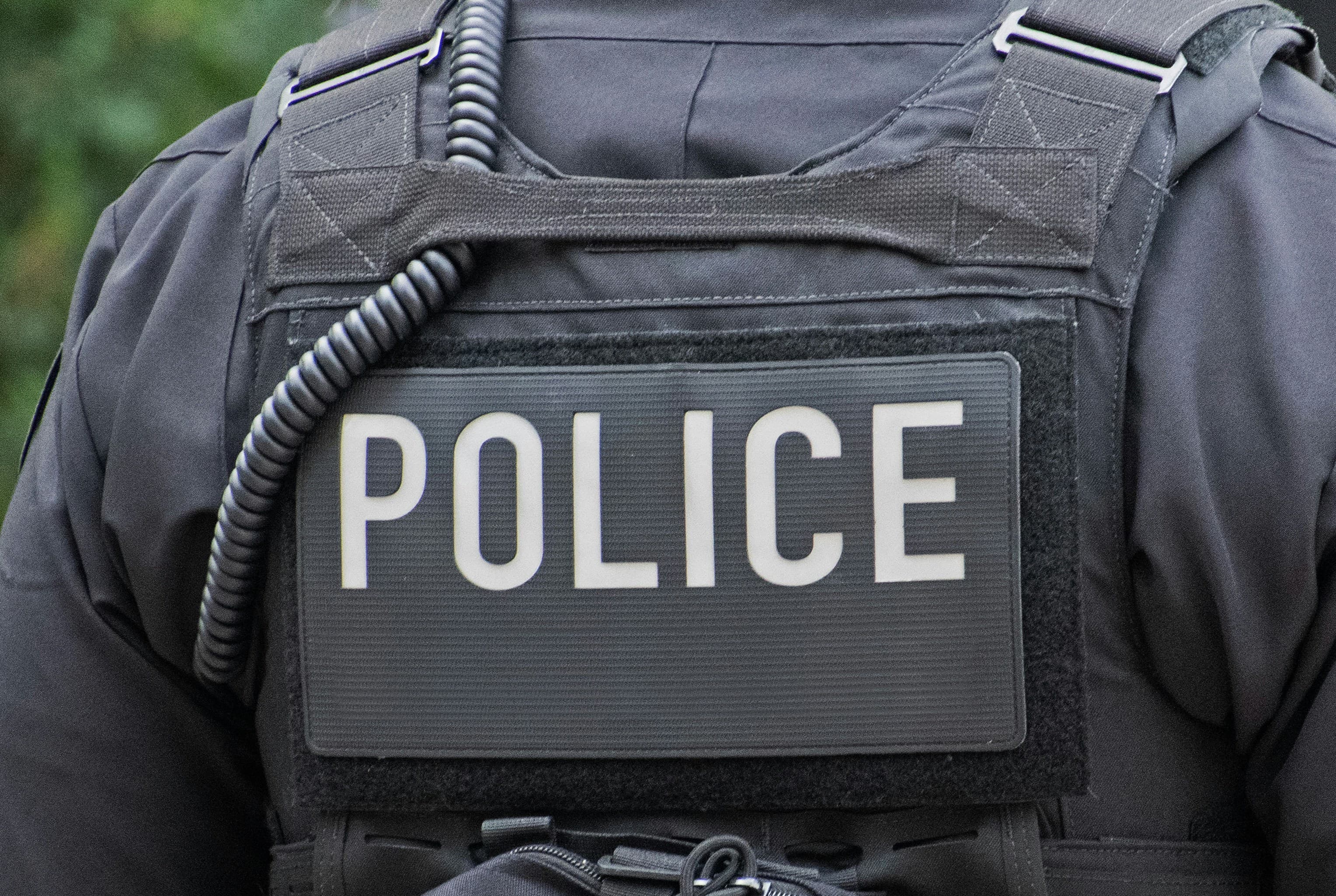
From Rookie to Leader: The Power of Mentorship in Policing
Mentorship as a Critical Component of Officer Development
New officers entering the force often lack a clear roadmap for career progression. As I reflected on my own early decision to go undercover without the guidance of a mentor, it became evident that I had made a tactical choice without a strategic framework. This is not uncommon in policing, where young officers are thrust into high-stakes environments without the necessary career scaffolding. A structured mentorship program can provide clarity, helping officers distinguish between short-term opportunities and long-term professional alignment. Formalized mentoring can help prevent misalignments between personal goals and departmental needs, which can lead to burnout or disciplinary issues down the line.
Research supports the idea that mentorship improves job satisfaction, retention, and performance among law enforcement personnel. According to the U.S. Department of Justice, agencies that implemented mentoring programs experienced increased morale and reduced disciplinary incidents among junior officers¹. A mentor can serve as a sounding board, helping the mentee navigate complex decisions, such as whether to specialize in investigations, community policing, or tactical operations. These relationships are most effective when mentors are trained and selected based on their ability to teach, not merely their rank or years of service.
Structured Career Pathways and Professional Identity
Policing lacks the clearly defined career ladders found in other sectors. Many new officers are left to figure out their trajectory on their own, often relying on informal networks or trial-and-error. When I entered the field, I did not understand how choices early in my career could shape my long-term professional identity. Without guidance, I gravitated toward high-adrenaline roles that did not necessarily align with my strengths or aspirations. Today, law enforcement agencies have the tools and data to construct structured career pathways that help officers plan their futures with intention.
Career development frameworks, like those recommended by the International Association of Chiefs of Police (IACP), encourage agencies to outline clear advancement opportunities linked to training, performance, and specialization². These frameworks not only benefit officers by providing direction but also enhance department efficiency by aligning talent with organizational needs. For example, officers with strong community engagement skills can be directed toward roles in school liaison or neighborhood policing, while those with analytical abilities may be groomed for investigative units. Such alignment improves job satisfaction and reduces turnover, which is a growing concern in many departments.
Implementing Sustainable Mentorship Programs
To implement effective mentorship programs, agencies must move beyond informal pairings and establish structured systems with clearly defined goals. A successful program begins with leadership buy-in and a dedicated coordinator responsible for training mentors, tracking progress, and evaluating outcomes. Mentorship relationships should include regular check-ins, documented goals, and feedback mechanisms. This structure ensures accountability and allows for timely adjustments based on the evolving needs of both mentor and mentee. Agencies should also consider using digital platforms to facilitate communication and documentation, particularly in larger departments where in-person contact may be limited.
Sustainable mentorship programs require investment but yield significant returns. A study by the Police Executive Research Forum (PERF) found that departments with formal mentoring programs saw improved retention among officers in their first five years, a period traditionally marked by high attrition³. Mentorship also provides a platform for transmitting institutional knowledge, promoting organizational values, and reducing the learning curve for complex roles. For departments facing budget constraints, partnerships with academic institutions or retired law enforcement professionals can provide cost-effective mentoring resources without compromising quality.
Supporting Officer Wellness and Decision-Making
Early career decisions can have long-term psychological and professional consequences. My decision to go undercover, though driven by a desire to contribute meaningfully, placed me in situations I was not emotionally prepared for. Mentorship programs must be complemented by wellness initiatives that consider the mental and emotional health of officers making pivotal career choices. Agencies should integrate wellness checks, stress management training, and access to counseling services into their standard support offerings for new officers. These resources help officers make decisions from a place of stability, rather than reaction or pressure.
Officer wellness is no longer a peripheral issue; it is central to effective policing. According to the Bureau of Justice Assistance, departments that incorporate wellness into their officer development programs report fewer incidents of excessive force and higher levels of community trust⁴. When officers feel supported, they are more likely to engage thoughtfully with their roles and less likely to make impulsive decisions that could derail their careers. Mentorship can serve as a conduit for wellness, allowing mentors to identify early warning signs of stress or disengagement and direct mentees to appropriate resources.
Fostering a Culture of Accountability and Growth
For mentorship and career development programs to succeed, they must be embedded into the department’s culture. This requires a shift from viewing mentorship as a favor or extra duty to recognizing it as a strategic function that supports operational and personnel goals. Supervisors and command staff should be evaluated on their contributions to mentoring and talent development. Recognizing and rewarding effective mentors can reinforce this culture and encourage broader participation across ranks. When officers see that mentorship is valued and impactful, they are more likely to engage seriously with the process.
Departments can also use feedback from mentorship programs to inform broader policy and training initiatives. Patterns identified through mentor-mentee interactions can reveal gaps in onboarding, training, or leadership development. For instance, if multiple mentees report confusion around use-of-force protocols or evidence handling, this may signal a need for updated training modules. By treating mentorship as both a support system and a diagnostic tool, agencies can create a continuous improvement loop that benefits individuals and the organization as a whole⁵.
Conclusion: A Call to Action for Leadership
My early career experience taught me the importance of guidance, intentionality, and mental preparedness in shaping a responsible policing path. As departments nationwide grapple with recruitment, retention, and public trust, investing in structured mentorship and career development is no longer optional. It is a strategic necessity. Leaders must champion these efforts not only for the sake of individual officers but for the long-term health and effectiveness of their organizations.
Now is the time for agencies to design and implement systems that give new officers the tools, support, and foresight they need to build careers rooted in service, accountability, and growth. Through mentorship, structured pathways, and wellness initiatives, we can equip the next generation of officers to lead with integrity and purpose.
Bibliography
U.S. Department of Justice. "Law Enforcement Mentoring Programs: Strategies for Success." Office of Community Oriented Policing Services, 2018.
International Association of Chiefs of Police. "Career Pathways in Policing: A Guide to Developing Law Enforcement Leadership." IACP, 2021.
Police Executive Research Forum. "Building a Workforce for the Future: Retention and Mentorship Strategies." PERF, 2020.
Bureau of Justice Assistance. "Officer Safety and Wellness: An Overview of Current Initiatives." U.S. Department of Justice, 2019.
U.S. Department of Justice. "Mentoring as a Strategy for Improving Police Performance." National Institute of Justice, 2017.
More from 2 Topics
Explore related articles on similar topics