Hidden Gems: Encouraging Tourists to Explore Local Neighborhood
Hidden Gems: Encouraging Tourists to Explore Local Neighborhoods
When visitors think of a city, they often imagine iconic landmarks and the biggest attractions. But some of the most memorable experiences can come from less obvious places: corner coffee shops, murals tucked away on side streets, local markets, and family-run shops. By encouraging tourists to explore neighborhoods beyond the typical hotspots, cities can deliver richer travel experiences, spread economic benefits more evenly, reduce overcrowding in busy zones, and deepen the connection between visitors and residents.
Here’s how cities can highlight neighborhood gems, what recent US research says, and how local people can help make this happen.
Why Neighborhood Discovery Matters
Authentic Experience: Tourists who explore neighborhoods get to see how people live, eat, and contribute to the local culture. It adds depth to a trip.
Economic Spread: Small businesses outside tourist hubs benefit when visitors wander off the usual paths—cafés, shops, street vendors all gain.
Relief for Overcrowded Areas: Guiding people toward less-visited neighborhoods helps reduce congestion and wear on top landmarks.
Inclusivity & Sustainability: Neighborhood discovery can foster more sustainable travel, with environmental and social benefits, by involving more parts of the city and more kinds of people.
Strategies for Highlighting Hidden Neighborhood Gems
Create Curated Neighborhood Guides:
Themed maps (e.g. street art, local food tours, historic architecture).
Profiles of local artisans, store owners, or residents.
Walking Tours & Local Hosts:
Tours by residents who can tell stories unsung by guidebooks.
Themed walks—food, heritage, music, or nature—focused on neighborhoods.
Use Digital & Interactive Tools:
Apps or interactive maps that suggest off-the-path spots.
Social media features or blogs highlighting “hidden” stories or personal discoveries.
Partner with Neighbors and Local Businesses:
Involve neighborhood associations in planning what gets promoted.
Help small businesses with visibility: signage, promotion, special events.
Craft Messages that Spark Curiosity:
Tease surprises (“Have you ever visited this mural alley?”).
Use visuals—photos, short videos—to invite exploration.
What Recent US Research & Trends Indicate
A 2024 Airbnb economic impact report showed that nearly half of guest spending in the U.S. occurs in the neighborhoods of their Airbnb listings—not just in downtown or landmark zones. This means that encouraging stays in neighborhood listings can meaningfully distribute tourism dollars (3).
The “US Latin & Hispanic Traveler Report” from 2024 found that Latino and Hispanic travellers often prefer accommodations and travel arrangements that let them connect with family or local communities, indicating strong demand for authentic, neighborhood-focused experiences (2).
The 2023 National Resident Sentiment Study (by Longwoods International and Destinations International) shows that American residents increasingly want tourism to benefit all parts of their city—residents are more supportive when tourism policy and promotion include neighborhood input and ensure resources are distributed fairly (3).
Potential Challenges & How to Navigate Them
ChallengePotential SolutionNeighborhoods becoming overcrowded after being promotedRotate which neighborhoods are featured; spread promotion over time; manage capacity with signage or scheduling.Local residents feeling overshadowed or displaced by tourismEngage residents early; protect affordable housing and business ownership; ensure benefits flow to locals.Lack of awareness or usability of hidden spotsImprove signage, transit access, local guides; ensure online and offline visibility.
My Perspective: Discovering Neighborhoods as both Resident & Traveller
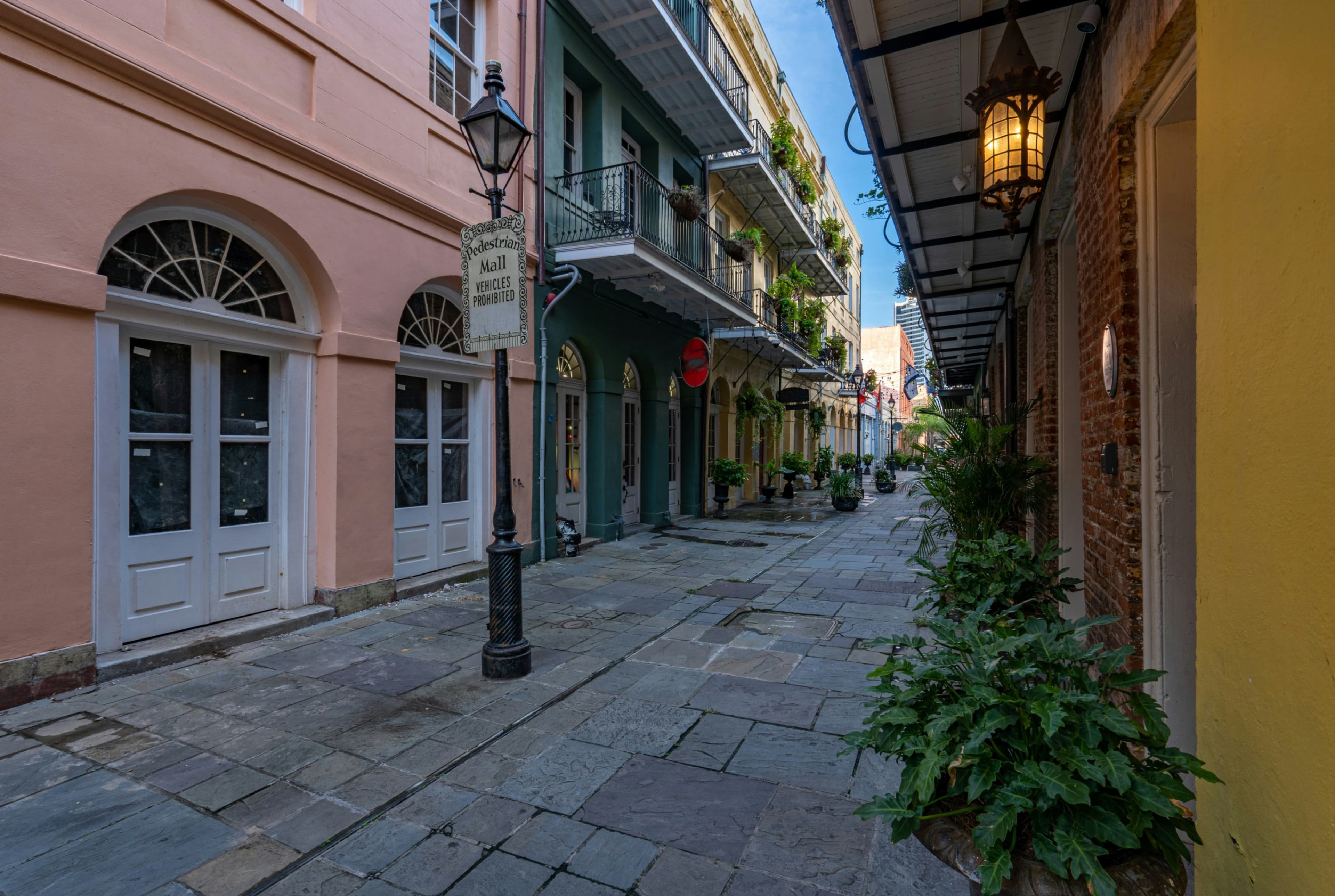
During my early 20s I did a lot of solo traveling, and some of my favorite discoveries happen outside the usual “must-see” places. A small bakery tucked into a residential block, a mural alley I found by exploring, or a weekend market that locals flock to—these places feel more like home than tourist zones.
When cities promote these gems—through concise neighborhood guides, social posts, or local storytelling—it’s easier for me to plan meaningful experiences. It also gives me chances to support people in my own community: the local artist, café owner, or family‐run store. When tourism goes beyond landmarks, everyone benefits: visitors enjoy richer travel experiences, and neighborhoods feel valued rather than overlooked.
How did I find them? Social media (or just by wandering)!
Conclusion: Cultivating Neighborhood Discovery in US Cities
Hidden gems aren’t just “nice extras” in a travel guide—they’re essential for more equitable, memorable, and sustainable tourism. Cities that:
highlight neighborhood charm,
responsibly promote lesser-known spots, and
involve residents in what gets showcased
…can build stronger tourism ecosystems. For visitors, the payoff is an immersion in real city life. For locals, it’s economic benefit, cultural pride, and neighborhoods that thrive.
References
Airbnb. “Airbnb Guest Spending Boosts US Economy by a Record $90 Billion in 2024.” 2025. Hospitality Net
Airbnb. “US Latin & Hispanic Traveler Report.” September 2024. Airbnb Newsroom
Destinations International & Longwoods International. “2023 National Resident Sentiment Studies (US Edition).” 2023-2024. Destinations International
More from Tourism
Explore related articles on similar topics






Top Paying Jobs in Tourism
Highest paying opportunities related to this article
The City of Henderson announces an examination to fill one (1) vacancy for the classification of Manager of Redevelopment, Economic Development and Tourism. Under general direction, assists in the planning, organization, and management of the activities and operations of the Communications Department; manages strategic communication to boost City visibility and engagement; manages the functions of budgeting, personnel, fiscal control, accounting, purchasing, grant preparation, analysis and compliance, contract administration, and computer operations; and performs related duties as assigned. Salary placement for non-represented positions is based on a comprehensive compensation review and takes into consideration the candidate's qualifications as well as internal equity. Note: Pursuant to the Henderson City Charter, this is an unclassified position not covered by the City of Henderson Civil Service Rules. This means that the incumbent's employment is at-will, and may be terminated with or without cause or notice, at any time by the incumbent or the City. Salary and Benefits Competitive Salary Range of $109,899.19 - $164,848.78 annually; salary placement for non-represented positions is based on a comprehensive compensation review and takes into consideration the candidate's qualifications as well as internal equity* Base Wage increase upon successful completion of Initial Probationary or Qualifying Period** Additional Base Wage Increase and/or Lump Sum Bonus** *Click here to View the City's Non-Represented Compensation Policy **Contingent upon the City’s financial performance and subject to available funding as determined by the City Work-Life Balance Four (4)-Day, 38-hour workweek (Monday to Thursday) Paid Leave and Holidays Leave and Holidays Policy Family and Medical Leave and Extended Leave Policy Comprehensive benefits package*** for all full-time, regular non-represented employees including: Medical, dental, vision, and life insurance Health and Dependent Care Flexible Spending Accounts (FSA) Long Term Disability (LTD) Employee Assistance Program (EAP) Policy Retirement Benefits Nevada PERS(Public Employees' Retirement System) Retirement Health Savings (RHS) Account Deferred Compensation - 457(b) and 401(a) Plans Deferred Compensation Matching Program Available - employee contributions will be matched on a per-pay-period basis until the employee reaches their respective deferred compensation match limit Voluntary Benefits: Pet Insurance, Auto/Home Insurance, Voluntary Life Insurance, SSgA Upromise 529 College Savings Plan Public Service Loan Forgiveness Program (PLSF) through the Federal Government Tuition and Certification Reimbursement Program, and much more! Minimum Qualifications Bachelor’s Degree from an accredited college or university in Business, Planning, Public Administration, Economics, Finance, Civil Engineering, or a related field Five (5) years of experience managing projects and/or programs in the field of economic development, redevelopment, and/or community development/planning Desirable: American Institute of Certified Planners (AICP) Certification Desirable: Economic Development Finance Professional (EDFP) Certification Desirable: Knowledge of Tax Increment Financing Required Documents/Assessment Information DOCUMENTS REQUIRED AT THE TIME OF APPLICATION: 1) Completed Employment Application 2) Resume* *Please attach your documents to the "Attachments" section of your application, click here for attachment instructions.
ABOUT THE ROLE This position is assigned to the Resource service pathway under the general direction of the building principal or program manager. The Special Education Teacher fosters and enhances an effective learning environment, establishes and adapts learning objectives and standards for special education students based on District guidelines and special education regulations, and provides instruction, counseling, discipline, and supervision to meet the individual needs of assigned students while evaluating student performance and progress. KEY RESPONSIBILITIES - Foster an educational environment conducive to the learning and maturation process of assigned special education students. - Plan instructional programs and prepare individual student lesson plans designed to meet individual needs, adapting and modifying programs as necessary. - Use necessary and appropriate instructional methods and materials suited to the well-being of the students and the nature of the learning activities. - Implement established program or curriculum objectives adapted for the student population. - Attend in-service training and continue professional growth to remain current in special education instruction methods. - Establish and implement positive and supportive classroom policies and procedures governing student behavior and conduct. - Provide guidance, counseling, and discipline to encourage students to meet standards of achievement and conduct. - Confer with students, parents, guardians, specialists, and staff to maintain positive relationships, provide guidance, and encourage student achievement. - Establish classroom goals and objectives appropriate to the special education student population and their individual education programs in conformance with State and District guidelines. - Evaluate and record student progress and prepare reports for parents or guardians. - Direct the activities of assigned non-certificated personnel and attend to or direct staff to attend to the physical, emotional, behavioral, medical, or hygienic needs of students. - Collect and interpret data to develop, implement, and evaluate individual education plans and provide reports for administrative purposes. - Attend required staff meetings, professional development, and serve on staff committees. MINIMUM QUALIFICATIONS - Bachelor's degree. - Academic preparation for or experience in teaching a culturally, racially, and economically diverse student population in an urban school system. - Academic preparation for or experience in teaching reading and adapting instructional techniques and practices for special education students. SPECIAL REQUIREMENTS - Valid Washington State Teaching Certificate with Special Education Endorsement. - Some positions may require valid first aid and CPR certification. - Some positions may require a valid Washington State driver's license or a class II driver's license. - Knowledge of subject areas appropriate to assignment, effective behavior management techniques, and rules and regulations governing special education. - Proficiency in reading, writing, and oral communications. - Ability to deal with students in a positive manner, manage student behavior, and maintain a safe learning environment. SELECTION PROCESS Candidates will be evaluated based on their education, professional experience with diverse student populations and special education, and alignment with the required knowledge, skills, and abilities for the Resource service pathway. HOW TO APPLY - Submit an application through the official Seattle Public Schools job portal. - Ensure all educational and professional experience details, including certification information, are accurately reflected in the application materials. EMPLOYMENT DETAILS - Employer: Seattle Public Schools - Department: Bailey Gatzert Elementary - Job Number: 26888 - Job Type: Part-Time - FTE: 0.5 - Subject Area: Special Education - Elementary - Location: Bailey Gatzert Elementary, WA - Reports to: Building Principal - Opening Date: 07/28/2026 - Closing Date: Continuous - Working Conditions: Required to deal with a wide range of student achievement, behavior, and disabilities; handle multiple tasks simultaneously; may experience frequent interruptions; potential exposure to infectious diseases or bodily fluids; may require specific physical stamina, positioning, or lifting of students or equipment.
ABOUT THE ROLE The Baltimore Convention Center (BCC) is seeking an Event Coordinator to provide event management services for internal and smaller meetings, as well as administrative assistance to the Sales and Services department. Reporting to the Assistant Director of Convention Services, this role involves logistical planning for event execution, client communication, and supporting sales and convention services managers. This is a non-civil service position offering the opportunity to work in a vibrant, diverse atmosphere while serving the citizens of Baltimore. KEY RESPONSIBILITIES Event Management - Provide logistical planning and event coverage for internal events, small one-day events, multi-day events, and events occurring in conjunction with larger conventions - Provide back-up event coverage and assistance to Convention Services Managers (CSMs) as assigned - Assist with conducting facility tours for groups and interested parties - Implement event-related planning, scheduling, and sending client reminder notices - Assist with pre- and post-event walkthroughs - Communicate with clients on behalf of Convention Services Managers - Complete and disseminate information to proper internal and external departments Administrative Support - Coordinate Fire Marshall sign-off on floor plans - Assist with coordinating meeting room arrangements for internal meetings - Assist with creating amenity packages for clients and tracking related inventory - Research events for Sales Managers and Convention Services Managers as needed - Assist with developing diagrams for Sales and Convention Services Managers - Create, prepare, and distribute weekly and monthly reports - Compile event coverage schedules and times for service partners, managers, supervisors, and technicians - Create and prepare materials and presentations for site tours and pre-convention meetings - Perform other administrative functions for the department as assigned MINIMUM QUALIFICATIONS Education: - A bachelor’s degree in business management, facility management, hospitality, or a related field from an accredited college or university. Experience: - One year of experience in event management, business management, facility management, hospitality, or a related field. Equivalency: - Commensurate experience in areas such as coordinating meetings or conferences, supporting large-scale events, working in venue or facility operations, or providing customer service in a hospitality environment may substitute for the formal education requirements. PREFERRED SKILLS - Experience in event management within the hospitality industry - Knowledge of standard business operating systems and software (Windows) - Knowledge of web-based applications (specifically Momentus and Event Draw) - Strong oral and written communication skills - Ability to establish effective working relationships with co-workers and clients - Ability to work flexible schedules and shift arrangements as determined by events - Experience with Adobe Creative Suite is a plus SPECIAL REQUIREMENTS - Non-Civil Service Position - Background Check: Eligible candidates under final consideration must complete authorization for a Criminal Background Check and/or Fingerprint screening. - Probation: All selected persons must complete a 6-month mandatory probation. - Schedule: Must be able to work flexible schedules and shifts based on event needs. SELECTION PROCESS - Application review based on minimum qualifications. - Standard City of Baltimore hiring procedures apply. HOW TO APPLY - Apply online via the City of Baltimore careers portal. - Job Requisition ID: R0018397 - Application Deadline: October 13, 2026 - Questions: Contact the Department of Human Resources Office of Recruitment at (410) 396-3860 or via email. EMPLOYMENT DETAILS - Department: Baltimore Convention Center (Sales and Services) - Location: Baltimore Convention Center, Baltimore, MD - Type: Full-Time - Benefits: Medical, prescription drug, dental, vision, optional life, AD&D, FSA plans, wellness programs, support groups, and workshops.
This is professional work in the planning, production, and execution of city-wide special events. The work requires an understanding and application of logistical planning principles, practices, procedures, methods, and techniques and knowledge of event and entertainment logistical technical requirements usually gained through degree granting schools, or an equivalent level of practical knowledge gained through experience. Contacts with others require skills in understanding and/or influencing people, and are important in providing client services, including skills of persuasiveness, assertiveness, and sensitivity to others' point of view, that are required to influence behavior, change an opinion, or turn a situation around to achieve project objectives. The work is standardized in that tasks are covered by substantially diversified procedures and specialized standards, and because of the changing priorities, or different situations, incumbents have the latitude to consider which of the many procedures or standards should be followed and in what sequence. The work is performed in an office and field environment, but the risks and hazards are minimal, known, predictable, and controllable. Operates motor vehicles, utility carts, and standard office equipment such as personal computers. Physical demands may involve moderate activities during the setting up of special events such as lifting and carrying objects weighing up to 40 pounds. Work is performed under limited supervision where the work assignments are subject to established procedures, practices, techniques, and the employee organizes his/her own work, and the work is reviewed for results achieved. Examples of Work Plans, organizes, produces, and executes departmental and city-wide special events and entertainment programs/productions. Researches entertainment options. Creates event site layout and mapping. Coordinates needed services from other departments or outside contractors/agencies such as public safety, sound, lights, staging, scaffolding, electrical, backline, and audiovisual equipment. Sets up and attends events to coordinate and monitor activities and resolve problems. Contributes to the post-events evaluation and follows up on the financial assessment. Supervises and coordinates special events volunteers and vendors. Prepares correspondence and reports pertaining to special events. Creates and executes contracts for events. Coordinates and tracks all phases of the special event permit review process, including review by other city departments and collecting necessary documentation from applicant. Orders MOT equipment for events requiring street closure and communicates closure information to businesses and residents. Establishes and maintains records and files. Operates motor vehicles and utility carts. Operates standard office equipment such as personal computers using word, spreadsheet, database, mapping and other related software. Demonstrates proficiency in the City of Jacksonville’s competencies. Performs related work as required. Knowledge, Skills and Abilities Knowledge of logistical planning principles, practices, procedures, methods, and techniques. Knowledge of event logistics and entertainment technical requirements such as talent buying, sound, staging, lights, scaffolding, electrical, backline, and audio visual equipment. Knowledge of event site layout and mapping. Knowledge of the preparation of entertainment contracts and applicable legal terms. Knowledge of special event permit requirements and guidelines. Skill in using word processing, spreadsheet, mapping, and database computer applications. Skill in communicating effectively, orally and in writing. Ability to plan, organize, produce, execute, and evaluate special event and entertainment programs. Ability to work in adverse weather conditions conducting tours of venues and working onsite at the event Ability to establish effective working relationships. Ability to operate motor vehicles and utility carts Ability to operate standard office equipment such as personal computers using word, spreadsheet, database, mapping and other related software. Open Requirements/Supplemental Information Five years of education and/or professional experience in recreation and leisure activities, special events, or a related field, of which must include at least one year of responsible experience in producing special event and/or entertainment programs involving logistical planning and event execution. LICENSING/CERTIFICATION/REGISTRATION: Must possess and maintain a valid driver’s license during employment in this class. Must qualify for, obtain, and maintain a City of Jacksonville public driver certification for employment in this class.
ABOUT THE ROLE This role patrols touring-related areas to identify code violations regarding property, horse-drawn carriages, tour buses, tour coaches, and walking tours. The officer issues citations, responds to citizen inquiries, conducts inspections, and ensures compliance with City tourism and livability ordinances. KEY RESPONSIBILITIES - Issue citations and Livability ordinance summons for violations of the tourism ordinance - Respond to citizen inquiries regarding the tourism industry - Conduct inspections to ensure that tour vehicles are properly permitted - Patrol residential and commercial areas on bicycle to identify tourism and code violations - Inspect horse-drawn carriages and carriage operators to ensure compliance with City tourism ordinances - Respond to calls for tourism and code enforcement assistance from the Fire Department, Police Department, Building Official, and other agencies - Refer cases to the Livability court, issue summonses to code violators, and provide court testimony as necessary - Follow up on each case to verify corrections have been made to comply with codes - Maintain assigned vehicles and equipment - Prepare and process inspection reports, summonses, citations, and various other records and correspondences MINIMUM QUALIFICATIONS 1. Associate's Degree (AA/AS) and 6 months of related experience and/or training, or an equivalent combination of education and training. 2. Valid state-issued driver's license. 3. Working knowledge of Microsoft Office or similar software. SPECIAL REQUIREMENTS - May require working evenings, weekends, and holidays as scheduled - In the event of major storms or other emergency situations, this position may be subject to 24-hour shifts or any other emergency schedule necessary to meet the City's needs - Ability to patrol residential and commercial areas on a bicycle - Ability to testify in Livability court and issue legal summonses SELECTION PROCESS 1. Application Review: Evaluation of the submitted application to ensure minimum qualifications are met. 2. Interview and Assessment: Standard City of Charleston hiring procedures to assess code enforcement, investigative, and public interaction skills. HOW TO APPLY 1. Submit a completed online application through the official City of Charleston careers portal. 2. Ensure all relevant experience, education, and technical skills are clearly detailed in your application. EMPLOYMENT DETAILS - Employer: City of Charleston - Work Schedule: May require evenings, weekends, and holidays; subject to emergency shifts during major storms - Work Environment: Field-based, patrolling on bicycle and in vehicles throughout residential and commercial areas - Benefits: Not specified in the posting - Equal Employment Opportunity: The City of Charleston is firmly committed to Equal Employment Opportunity as a fundamental policy implemented and observed in daily operations.
ABOUT THE ROLE Reporting to the Department of Human and Cultural Services Director for the City of Jackson, the Planetarium Manager serves as the face and primary marketer for the McNair-Davis Planetarium. This role provides overall leadership and management, overseeing daily operations, developing innovative educational programs, managing staff and volunteers, ensuring financial sustainability, and fostering community partnerships to promote science education and downtown economic development. KEY RESPONSIBILITIES - Develop and implement engaging educational and entertainment programs for diverse audiences, including school groups and the public. - Oversee daily operations of the planetarium and astronomy center, including scheduling, staffing, facility upkeep, and visitor safety. - Manage the budget for planetarium, exhibit operations, and the gift shop to ensure financial objectives are met. - Supervise, mentor, and cross-train full-time and part-time staff and volunteers. - Develop and execute outreach programs in collaboration with local schools, universities, and community organizations. - Promote the planetarium through social media, websites, and local media as an economic development tool. - Identify grant opportunities and implement fundraising campaigns to support programs and capital improvements. - Conduct research on best practices in informal planetarium education and explore new technologies and interactive exhibits. - Assist in the maintenance and troubleshooting of planetarium and exhibit equipment. MINIMUM QUALIFICATIONS - Bachelor's degree in Astronomy, Physics, Science Education, or a closely related field. - Minimum of 5 years of professional experience in planetarium operations and management. - In-depth knowledge of astronomy, astrophysics, and space science. - Strong understanding of planetarium technologies, including digital projectors, operating systems, lighting, audio, and special effects. - Proficiency in using planetarium software and equipment. - Experience in developing and delivering engaging educational programs and entertainment productions. - Experience managing staff and volunteers. - Experience in grant writing and fundraising. - Excellent communication, presentation, and interpersonal skills. SPECIAL REQUIREMENTS - Ability to work 40 hours per week on-site, including weekends and evenings. - Willingness to work a rotating schedule, typically Monday through Friday, 9:00 am to 5:00 pm, with at least one week every two months working Wednesday through Sunday, including evening shifts. - Ability to cross-train, collaborate with, and occasionally supervise or substitute for part-time weekend and evening staff. SELECTION PROCESS - Not specified in the provided job description. HOW TO APPLY - Application details are available on the City Website. EMPLOYMENT DETAILS - Agency: City of Jackson, Department of Human and Cultural Services - Location: McNair-Davis Planetarium/Space Theater, Jackson, MS - Position: 10110001 - Code: 424-3 - Type: Internal and External - Group: Human and Cultural Services - Posting Start: 02/02/2026 - Posting End: 05/31/9999 - Benefits: Health insurance and paid yearly vacation and sick leave, details to be determined.
About the Role The City of Charleston is seeking a Concessions Worker to prepare food items for customers at the concessions store and various events. This role focuses on providing excellent customer service, processing transactions, and maintaining clean and organized food preparation and service areas. Key Responsibilities - Fill customer orders by obtaining items from shelves, freezers, coolers, bins, tables, or containers. - List, total, and inform customers of the total price of purchases. - Receive payment from customers for purchases and make change. - Set up displays and stock shelves, coolers, counters, bins, tables, freezers, containers, or trays with merchandise. - Set up food, drinks, silverware, plates, napkins, and other supplies for events. - Prepare meal items at the direction of the Food and Beverage Manager. - Dispense beverages and warm food items in the oven. - Clean the kitchen and event area after use. - Perform other duties as assigned. Minimum Qualifications - Experience: Six months of related experience and/or training in Food Service, Cashiering, or Bartending. - Education: High school diploma or general education degree (GED); or an equivalent combination of education and experience. - License: Valid Driver's License. Special Requirements - Schedule: May require working evenings, weekends, and holidays as scheduled. - Must be able to perform physical tasks related to food preparation, stocking, and cleaning in a fast-paced event environment. Selection Process 1. Application Review: Evaluation of the submitted application, education, and relevant food service or cashiering experience. 2. Interview: Qualified candidates will be invited to interview with the hiring team to assess customer service skills and operational knowledge. 3. Final Selection: Candidates are selected based on their qualifications, availability, and alignment with department needs. How to Apply - Submit your application online through the official City of Charleston careers portal. - Ensure your application clearly details your experience in food service, cashiering, or bartending. - Include any relevant training or certifications that demonstrate your readiness for the role. Employment Details - Department: City of Charleston, Food and Beverage - Position Type: As scheduled - Work Schedule: May require evenings, weekends, and holidays - Equal Opportunity: The City of Charleston is firmly committed to Equal Employment Opportunity (EEOC) as a fundamental policy to be implemented and observed in daily operations.
ABOUT THE ROLE The Kentucky Department of Parks is hiring Interim State Park Rangers at multiple parks statewide. This is an interim position established to address a need of less than nine months duration and is exempt from classified service. The ranger enforces state laws on park properties, protects guests, and provides a safe environment while working outdoors in all weather conditions. KEY RESPONSIBILITIES - Enforce state laws on Kentucky State Park properties - Protect guests and property to provide a safe environment - Provide services to guests such as trail rescues and first aid - Provide general information regarding area attractions and the assigned park - Work independently with minimal supervision - Utilize basic computer programs for park operations MINIMUM QUALIFICATIONS - High school graduate - One year of law enforcement experience as a sworn police officer SPECIAL REQUIREMENTS - Must be twenty-one years of age - Must possess and maintain a valid driver's license - Must possess and maintain Peace Officer Professional Standards (POPS) Certification - Subject to peace officer certification provisions under KRS Chapter 15 and 503 KAR 1:140 - Must be able to work outdoors in all types of weather conditions SELECTION PROCESS - Applications are reviewed to ensure minimum qualifications and experience requirements are met - Verification of Peace Officer Professional Standards (POPS) Certification and valid driver's license - Candidates must meet all state law enforcement certification standards HOW TO APPLY 1. Visit the official Kentucky state employment website to submit your application. 2. Ensure all required documents and certifications are uploaded before the posting closes. 3. Contact Todd Iddings at todd.iddings@ky.gov if you have questions about the advertisement or reciprocity information. EMPLOYMENT DETAILS - Agency: Tourism, Arts, & Heritage Cabinet, Kentucky Department of Parks - Location: Statewide (Multiple parks throughout Kentucky) - Work Schedule: Less than 9 months maximum, shifts vary, eligible for overtime pay - Benefits: State employee benefits and a $4,429 annual training stipend through the Kentucky Law Enforcement Foundation Program Fund - Recruiter Contact: Todd Iddings, todd.iddings@ky.gov