From Page to Place: How Cities Can Turn Local Writing into Public Art
Written work often struggles to gain visibility when compared to visual or performing arts, largely because it lacks the immediate sensory impact of visual exhibitions or live performances. However, local governments and arts organizations can create opportunities that draw attention to literary talent by embedding it into multidisciplinary events. For example, pairing dramatic readings or poetry recitations with live music or visual projections can create a compelling and immersive experience. These types of collaborative showcases make writing more performative and accessible to a broader audience. Studies have shown that cross-disciplinary arts programming increases community engagement and improves attendance at cultural events, especially when local talent is featured (Americans for the Arts 2019)1.
Another effective approach is to develop thematic festivals that center around storytelling, both written and spoken. Municipal cultural departments or local arts councils can spearhead events such as “Story Walks,” in which excerpts from local authors are displayed in public parks, allowing community members to engage with the work while enjoying outdoor spaces. This approach combines public amenities with literary exposure, encouraging both literacy and civic pride. Funding for such programs can often be sourced through state arts councils or National Endowment for the Arts grants, which prioritize community involvement and educational impact (National Endowment for the Arts 2022)2.
Creating Sustainable Platforms for Local Writers
Establishing consistent, recurring events is key to maintaining momentum for showcasing literary talent. One-time readings or book launches are valuable, but their impact can be fleeting if not followed by sustained engagement. Libraries, independent bookstores, and community centers can offer monthly open mic nights dedicated to different forms of writing, such as poetry, flash fiction, or script excerpts. Encouraging participation from diverse age groups and backgrounds not only builds an inclusive cultural space but also strengthens the social fabric of the community. Research by the Urban Libraries Council highlights how sustained literary programming contributes to increased library use and strengthens educational outcomes (Urban Libraries Council 2021)3.
Community writing workshops also serve as both a developmental tool and a promotional platform. Local governments can partner with schools, universities, and nonprofit arts organizations to host workshops that culminate in public readings or anthologies. These initiatives provide practical skill-building while offering writers a tangible product that can be shared and celebrated. Additionally, hosting writing contests judged by panels of local artists can inspire emerging voices and create a sense of prestige around literary contributions. When these efforts are documented and archived, they contribute to the cultural heritage of the city, affirming the value of written expression alongside more visible art forms.
Leveraging Public Spaces for Literary Expression
Public spaces offer untapped potential for showcasing literary arts in ways that are both creative and cost-effective. Installing poetry or short prose on public transit, in waiting areas, or along walking trails can provide unexpected moments of engagement with the written word. Programs like “Poetry in Motion,” originally launched by the Poetry Society of America in partnership with transportation agencies, have successfully turned daily commutes into opportunities for cultural enrichment (Poetry Society of America 2020)4. Municipal departments can replicate this model locally by collaborating with transit authorities or parks departments to feature writing from residents in public environments.
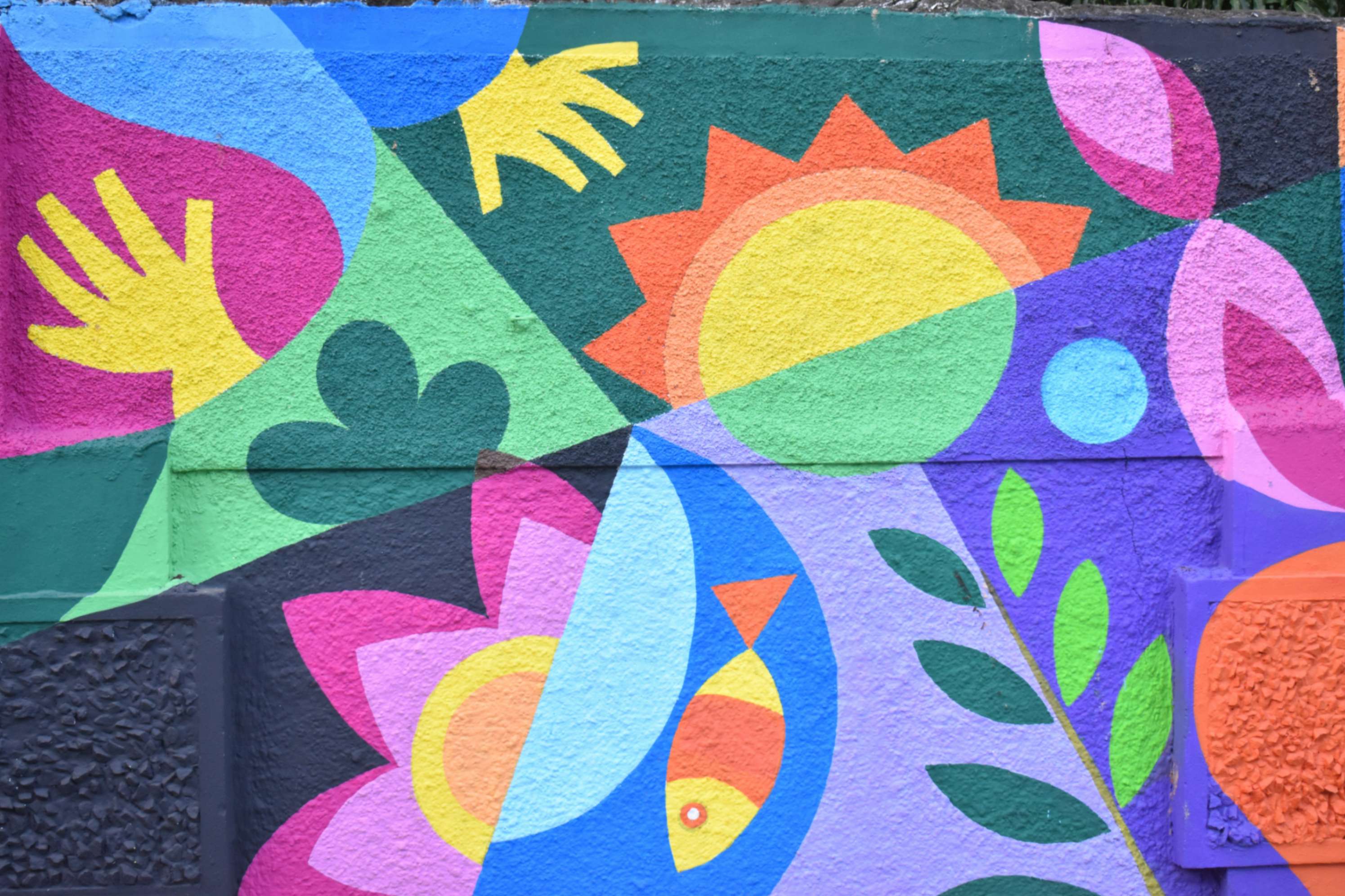
Murals and public art installations can also incorporate literary elements. By integrating excerpts from local writers into visual art projects, cities can create layered experiences that highlight both verbal and visual creativity. These installations are particularly effective in revitalizing underutilized or overlooked areas, contributing to placemaking efforts that foster community identity and pride. When tied to neighborhood storytelling or oral history projects, such efforts can also support reconciliation and inclusivity, especially in historically marginalized communities (Markusen and Gadwa 2010)5.
Building Institutional Support and Partnerships
For literary arts to thrive, institutional support is essential. City arts commissions or cultural affairs departments can play a coordinating role by maintaining a directory of local writers, providing grant-writing assistance, and offering micro-grants for self-publishing or event production. These efforts help lower the barriers to entry for emerging writers and ensure that cultural funding is distributed equitably across artistic disciplines. Additionally, forming partnerships with local universities or community colleges can provide writers with access to mentorship, editing services, and publication opportunities through student-run presses or academic journals.
Strong partnerships also enable scalability. For instance, a municipal arts department might work with a regional theater company to stage new works by local playwrights, or with a music conservatory to develop performances that include spoken word and original compositions. These collaborations not only enrich the cultural landscape but also provide writers with access to new audiences and professional development opportunities. According to the National Assembly of State Arts Agencies, strategic partnerships across sectors can amplify the impact of arts programs and ensure long-term sustainability (NASAA 2021)6.
Encouraging Civic Engagement through Writing
Writing can also serve as a vehicle for civic engagement, particularly when community members are invited to reflect on shared experiences, local history, or issues affecting their neighborhoods. Programs that encourage residents to submit essays, poems, or short stories about their community can foster a deeper connection to place and promote dialogue across different groups. Municipal governments can publish these submissions in local newspapers, newsletters, or online platforms, ensuring that citizen voices are not only heard but celebrated.
These efforts can be further integrated into participatory planning or policy-making processes. For example, a city undertaking a comprehensive plan update might invite residents to submit creative pieces reflecting on their hopes for the future of the community. This approach humanizes the planning process and offers planners a richer understanding of community values and aspirations. By positioning writing as both a cultural and civic activity, local governments can tap into the creative potential of their residents while enhancing public trust and engagement (Leigh and Blakely 2016)7.
Conclusion: Elevating the Written Word as a Community Asset
While it is true that writing lacks the instant visual impact of painting or the energy of a live performance, it remains a foundational artistic discipline that deserves equal visibility and support. Through thoughtful collaborations, strategic use of public spaces, and sustained institutional backing, local governments can ensure that writers have the platforms they need to thrive. These efforts not only support individual artists but contribute to a more inclusive and dynamic cultural ecosystem that benefits the entire community.
By embracing innovative programming and partnerships, municipal leaders and cultural practitioners can transform how written work is experienced and valued. Encouraging literary expression as part of broader arts initiatives fosters a more holistic approach to community development, education, and civic engagement. The written word, when given the opportunity to flourish, becomes a powerful instrument for cultural connection and social cohesion.
Bibliography
Americans for the Arts. 2019. "Arts and Economic Prosperity 5." Washington, DC: Americans for the Arts.
National Endowment for the Arts. 2022. "Grants for Arts Projects Guidelines." https://www.arts.gov/grants.
Urban Libraries Council. 2021. "Leadership Brief: Libraries Leading Literacy." https://www.urbanlibraries.org/initiatives/libraries-leading-literacy.
Poetry Society of America. 2020. "Poetry in Motion Program Overview." https://poetrysociety.org/programs/poetry-in-motion.
Markusen, Ann, and Anne Gadwa. 2010. "Creative Placemaking." Washington, DC: National Endowment for the Arts.
National Assembly of State Arts Agencies (NASAA). 2021. "Partnerships and Planning Resources." https://nasaa-arts.org/research/partnerships-and-planning/.
Leigh, Nancey Green, and Edward J. Blakely. 2016. Planning Local Economic Development: Theory and Practice. Thousand Oaks, CA: SAGE Publications.
More from Theatre and the Arts
Explore related articles on similar topics