From Blight to Bright: How Public Art Revitalizes Urban Infrastructure
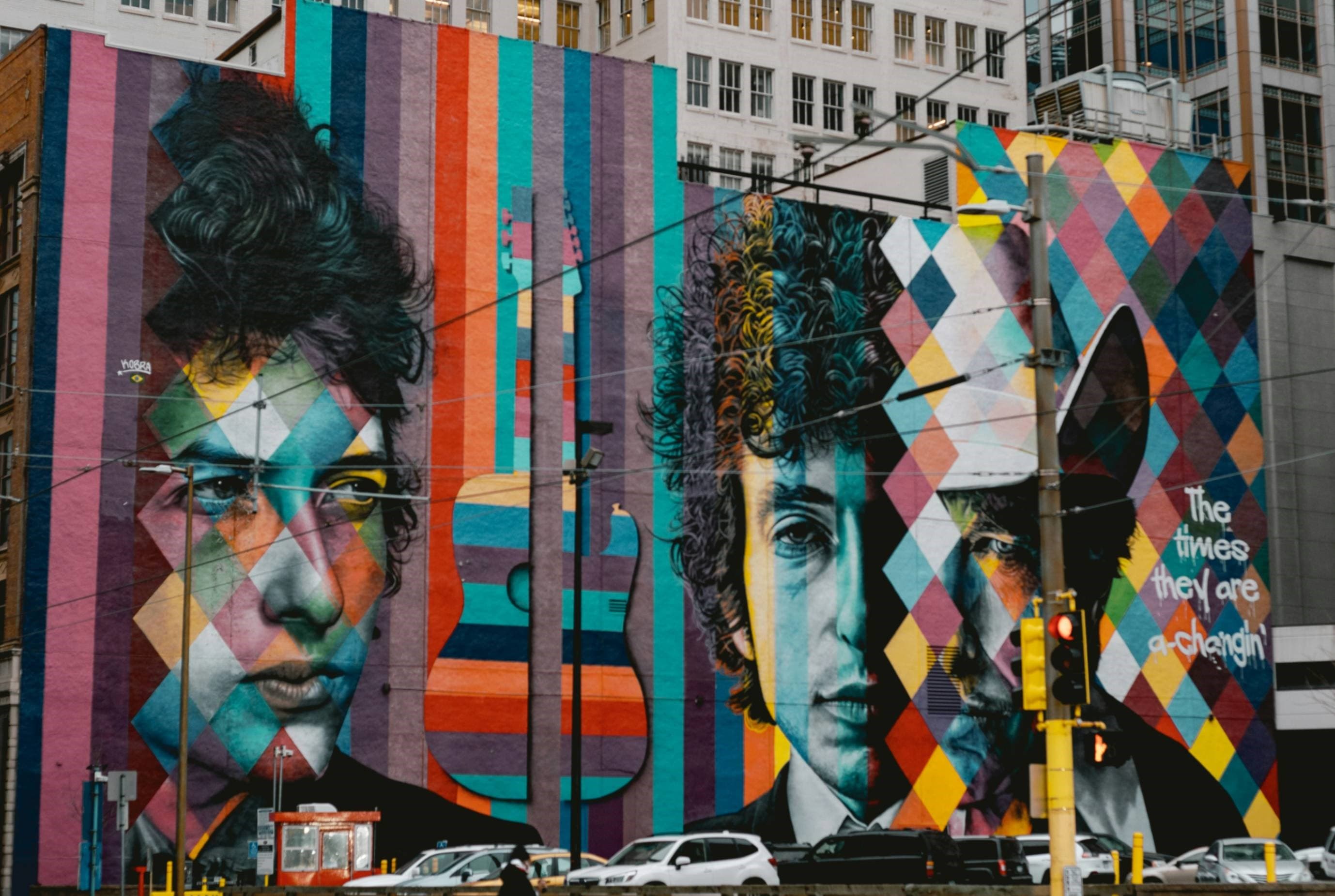
One of the most impactful examples of collaboration between artists, communities, and city agencies occurred during the redesign of the 5th Street underpass near the central transit hub. This area had long been considered a dead zone - a space residents avoided due to poor lighting, graffiti, and a lack of pedestrian amenities. Through a partnership with a local arts nonprofit, the city’s Department of Cultural Affairs helped facilitate a community-driven mural project that transformed the space. Artists worked with nearby schools and neighborhood associations to develop a design that reflected the community’s heritage and aspirations. The project culminated in a vibrant, large-scale mural accompanied by improved lighting and sidewalk enhancements funded through a capital improvement grant. The once-blighted underpass became a cultural landmark and a safer, more welcoming pedestrian route.
This project demonstrated how embedding cultural planning into infrastructure work can elevate both utility and identity. By integrating public art into a transportation improvement, the city saved money on vandalism remediation, improved pedestrian safety, and strengthened civic pride. The collaboration required careful coordination with the Department of Public Works, transit authorities, and engineering consultants, all of whom had to understand and support the artistic vision. From permitting and design reviews to construction scheduling and long-term maintenance, the project highlighted how flexible, cross-sector partnerships can yield lasting benefits for infrastructure and community development alike.
Funding Strategies and Capital Integration
Funding public art within infrastructure projects often begins with a clear policy foundation. Many cities adopt “Percent for Art” ordinances, which allocate a small percentage of eligible capital improvement budgets for public art. These policies provide a structural mechanism to ensure that art is considered early in capital planning cycles. In our city, we work closely with the finance department and capital project managers to identify opportunities during bond planning and prioritize projects where art can have the most impact. This process has required building internal capacity, educating engineering staff on the value of cultural components, and aligning timelines so that artists are involved before final design is locked in.
Leveraging philanthropic support and nonprofit partnerships also extends the reach of city dollars. Local cultural foundations have often matched city funds or provided in-kind support for community engagement and artist stipends. Federal programs, such as those under the National Endowment for the Arts or U.S. Department of Transportation’s Reconnecting Communities Pilot Program, can also support placemaking efforts when aligned with mobility or equity goals1. By braiding funds and collaborating with budget staff, cultural planners can secure the resources necessary to embed creativity into hard infrastructure without compromising the core function of the project.
Ensuring Equity in Cultural Infrastructure
Equity is a central concern in cultural planning, particularly when infrastructure investments risk reinforcing historic patterns of disinvestment. In our practice, we use a geographic equity index to identify underserved neighborhoods that lack access to cultural resources, public gathering spaces, or aesthetic enhancements. When planning new infrastructure, we advocate for cultural components in these areas to ensure that all communities benefit from public investment. For example, in a recent streetscape enhancement along a historically redlined corridor, we commissioned local artists of color to lead design workshops and create site-specific installations reflecting the community’s legacy and resilience.
Building equitable infrastructure also means addressing process equity. We’ve learned that traditional methods of public engagement - open houses, comment cards, public hearings - often exclude working families, non-English speakers, and youth. In response, we’ve co-hosted art walks, mobile engagement booths, and school-based workshops to gather input. These formats not only expand participation but also foster stronger ownership of public space. By elevating lived experience as a form of expertise, we’re able to co-create infrastructure that reflects the values, narratives, and priorities of diverse communities2.
Long-Term Stewardship and Maintenance
One of the biggest lessons in integrating art into infrastructure has been the need for clear stewardship plans. Maintenance responsibilities can become ambiguous if not spelled out during the planning phase. We now require that every artist agreement and project charter includes a detailed maintenance plan, including recommended materials, expected lifespan, and who will perform upkeep. This avoids confusion between departments and ensures that artworks do not fall into disrepair, which can undermine community trust and diminish project value.
Stewardship also involves cultivating local champions. We have found success in training neighborhood volunteers and school groups to help monitor and care for installations, particularly in parks and along greenways. This distributed approach to maintenance fosters civic engagement while reducing the burden on city crews. Additionally, we’ve developed a GIS-based inventory of public artworks, which allows us to track condition assessments, schedule cleanings, and plan restorations as needed. This data-driven approach has helped us secure additional funding from both internal and external sources by demonstrating proactive asset management3.
Professional Growth Through Cultural Infrastructure
Working at the intersection of infrastructure and culture has required me to become more curious, more adaptable, and more collaborative. I’ve had to learn engineering terminology, understand procurement rules, and navigate construction timelines, all while advocating for artistic integrity and community voice. This dual fluency has made me a more effective planner and a more empathetic public servant. It has also allowed me to build deeper relationships across departments, creating a network of allies who see cultural value not as an add-on, but as integral to public infrastructure.
Power-sharing has been another critical area of growth. Early in my career, I was focused on aesthetics and artistic merit. Now, I view my role as a facilitator of community expression and a steward of shared space. By co-designing with residents, working alongside city engineers, and respecting the technical expertise of both artists and builders, I’ve seen how infrastructure can become a vehicle for belonging and memory. These experiences have reshaped how I approach planning, emphasizing humility, iteration, and listening as essential tools for building truly inclusive cities.
Bibliography
National Endowment for the Arts. “Reconnecting Communities: How Public Art and Design Support Community Cohesion.” NEA.gov, 2022. https://www.arts.gov/impact/research/publications/reconnecting-communities.
PolicyLink. “Equity: The Soul of Collective Impact.” PolicyLink.org, 2018. https://www.policylink.org/resources-tools/equity-soul-of-collective-impact.
Americans for the Arts. “Public Art Resource Center: Maintenance and Conservation.” AmericansForTheArts.org, 2021. https://www.americansforthearts.org/by-program/networks-and-councils/public-art-network/public-art-resource-center/maintenance-and-conservation.
More from Infrastructure
Explore related articles on similar topics