Curtain Up, Economy Up: The Hidden ROI of Regional Theater

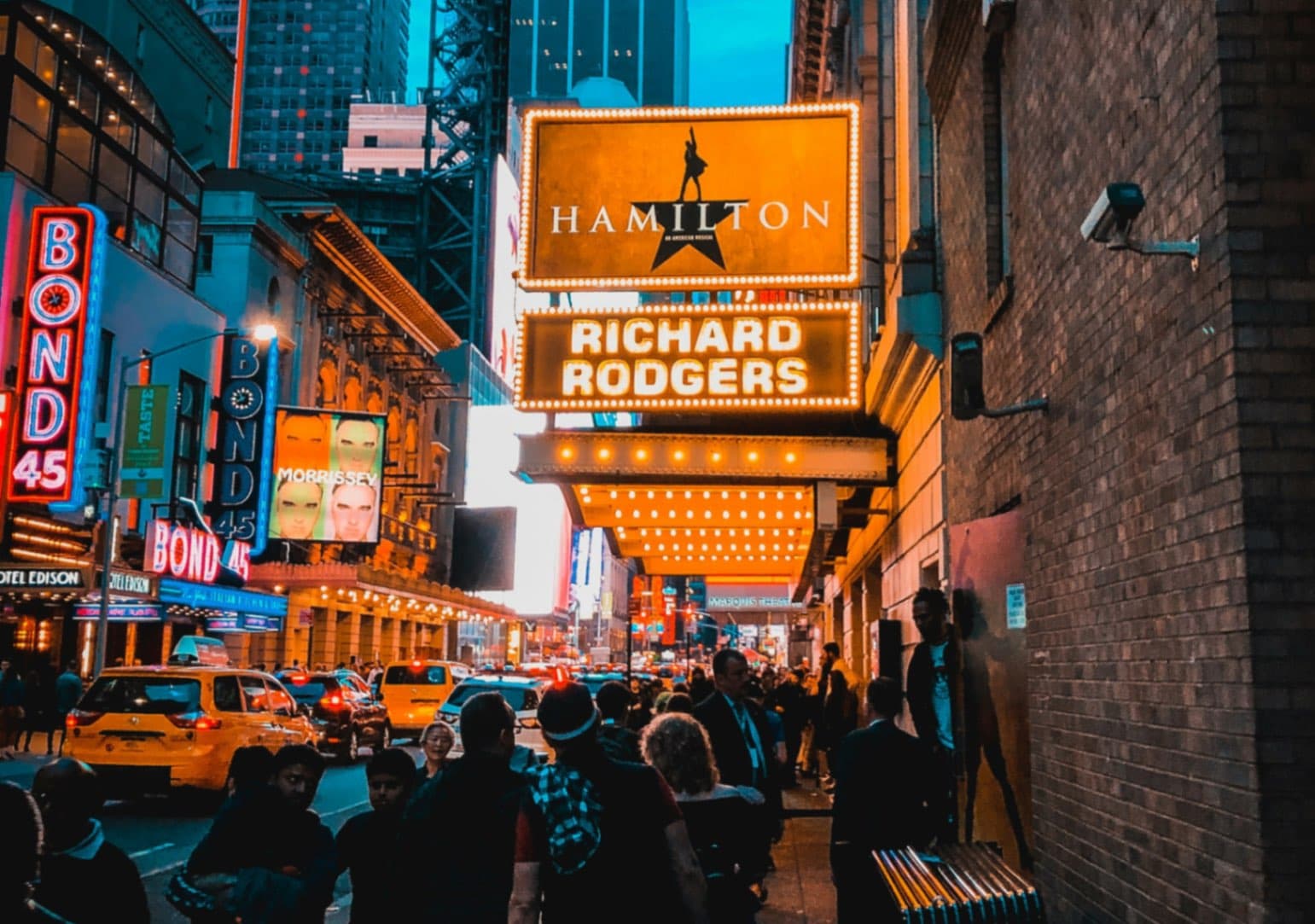
Regional theaters across the United States serve as vital cultural and economic anchors in their communities. Institutions such as the Guthrie Theater in Minneapolis, the Oregon Shakespeare Festival in Ashland, and the Alliance Theatre in Atlanta are just a few examples where high-quality productions draw thousands of visitors annually. These theaters are not merely entertainment venues but also economic drivers that support local restaurants, hotels, and retail businesses. According to a study by Americans for the Arts, audiences at nonprofit arts events spend an average of $31.47 per person, not including the cost of admission, which directly benefits nearby businesses and contributes to local tax revenue streams1.
Importantly, these theaters often maintain strong ties with their local communities by offering education programs, artist residencies, and outreach initiatives. These efforts not only cultivate future audiences but also create employment opportunities for artists, designers, technicians, and administrators. The Alliance Theatre, for instance, has been instrumental in developing new works that later transfer to Broadway or tour nationally, demonstrating that artistic innovation is not confined to New York or Los Angeles2. Cities that invest in their regional theaters often see a return that includes increased tourism, cultural prestige, and a more vibrant downtown economy.
Historic Venues as Tourism Catalysts
Theatrical productions staged in historic venues or districts can significantly enhance a city's tourism profile. These unique settings offer audiences a distinctive experience that combines cultural enrichment with a sense of place. For example, productions at the Barter Theatre in Abingdon, Virginia, housed in a 1930s-era building, not only attract theatergoers from surrounding states but also promote the town itself as a destination. Visitors often extend their stay to explore local heritage sites, dine in nearby establishments, and participate in regional tours, boosting local economic activity3.
Municipal leaders and urban planners can leverage historic theaters by integrating them into broader tourism and redevelopment strategies. Preservation grants, public-private partnerships, and destination marketing initiatives can help restore and promote these venues while simultaneously drawing attention to the surrounding area. For example, the revitalization of the Fox Theatre in Detroit has contributed to the resurgence of the city's entertainment district, proving that investment in historic arts infrastructure can yield long-term social and economic dividends4.
Expanding Access Through Festivals and Community Events
Arts festivals and seasonal theater events can serve as gateways to broader cultural engagement and economic stimulation. Events such as the Humana Festival of New American Plays in Louisville or the Colorado Shakespeare Festival attract national and international visitors while spotlighting local talent and infrastructure. These gatherings often generate significant economic activity, including temporary employment, increased hospitality demand, and heightened retail sales. A report by the National Endowment for the Arts found that arts festivals contribute to sustained tourism and can influence long-term travel patterns, especially when paired with other local attractions5.
For local governments seeking to maximize the impact of these events, collaboration with arts organizations, tourism boards, and transportation agencies is critical. Streamlined permitting processes, joint promotional campaigns, and infrastructure support such as improved parking or public transit access can enhance the visitor experience and increase repeat attendance. These practical steps help ensure that arts events are not isolated occurrences but integral parts of a city’s tourism and economic development strategy.
Developing Arts Districts Beyond the Urban Core
While downtown arts districts are common, suburban and rural communities are increasingly recognizing the value of developing their own cultural hubs. These localized efforts create new opportunities for residents to engage with the arts without traveling long distances and can help reverse declining foot traffic in smaller commercial areas. Examples include the revitalization of downtown Paducah, Kentucky, where the Lower Town Arts District has become a model for community-driven arts and economic development through live performances, galleries, and artist live-work spaces6.
Public officials can support these initiatives by integrating arts planning into zoning, development incentives, and transportation strategies. For instance, tax abatements for arts-focused redevelopment or grants for adaptive reuse of vacant buildings can catalyze private investment. When aligned with regional tourism marketing, these decentralized arts districts can draw new visitors to areas they might not otherwise explore, distributing economic benefits more equitably across a region.
Workforce Development and Local Investment
Theater and the arts are also significant contributors to workforce development. Production crews, costume designers, lighting technicians, stage managers, and front-of-house staff represent skilled labor that supports the creative economy. According to the U.S. Bureau of Economic Analysis, the arts contributed $1.02 trillion to the national economy in 2021, supporting 4.9 million jobs across the country7. Local training programs in partnership with community colleges and arts institutions can help build a pipeline of talent that supports not only the arts but also related industries such as film, television, and live events.
Investing in the arts also fosters entrepreneurship. Many small businesses - from set construction firms to marketing agencies - rely on a robust cultural sector. Local governments can encourage this ecosystem by offering incubator space, technical assistance programs, and micro-grants for arts entrepreneurs. These policies help keep creative professionals rooted in the community, rather than relocating to larger markets, thereby enhancing local economic resilience.
Strategic Policy Recommendations for Local Leaders
Practical steps that local governments can take include incorporating arts into comprehensive economic development plans, establishing cultural development offices, and integrating arts criteria into tourism funding decisions. By treating theater and the arts as core components of economic strategy rather than ancillary amenities, public leaders can unlock their full potential. For instance, cities that include arts initiatives in their American Rescue Plan Act (ARPA) allocations or other post-pandemic recovery funds have seen revitalization in both downtown areas and surrounding neighborhoods8.
Another effective approach is to form advisory councils that include arts leaders, tourism professionals, and economic development staff to ensure coordination across sectors. These councils can help identify funding opportunities, track performance metrics, and align messaging across marketing platforms. By embedding the arts into broader policy frameworks, cities can ensure their long-term sustainability as cultural destinations while also enhancing quality of life for residents.
Bibliography
Americans for the Arts. 2022. “Arts and Economic Prosperity 5.” https://www.americansforthearts.org/by-program/reports-and-data/research-studies-publications/arts-economic-prosperity-5.
Alliance Theatre. 2023. “About the Alliance.” https://www.alliancetheatre.org/about.
Barter Theatre. 2023. “History and Impact.” https://www.bartertheatre.com/history.
City of Detroit. 2022. “Fox Theatre Economic Impact Report.” https://detroitmi.gov/news/fox-theatre-economic-impact.
National Endowment for the Arts. 2020. “U.S. Patterns of Arts Participation.” https://www.arts.gov/publications/research-briefs.
Lower Town Arts District. 2023. “Paducah Creative Economy Report.” https://paducahky.gov/lower-town-arts-district.
U.S. Bureau of Economic Analysis. 2023. “Arts and Cultural Production Satellite Account.” https://www.bea.gov/data/special-topics/arts-and-culture.
National League of Cities. 2021. “The Arts as a Tool for Economic Recovery.” https://www.nlc.org/resource/the-arts-as-a-tool-for-economic-recovery/.