City Meets Nature: How Denver Is Building a Home for Wildlife
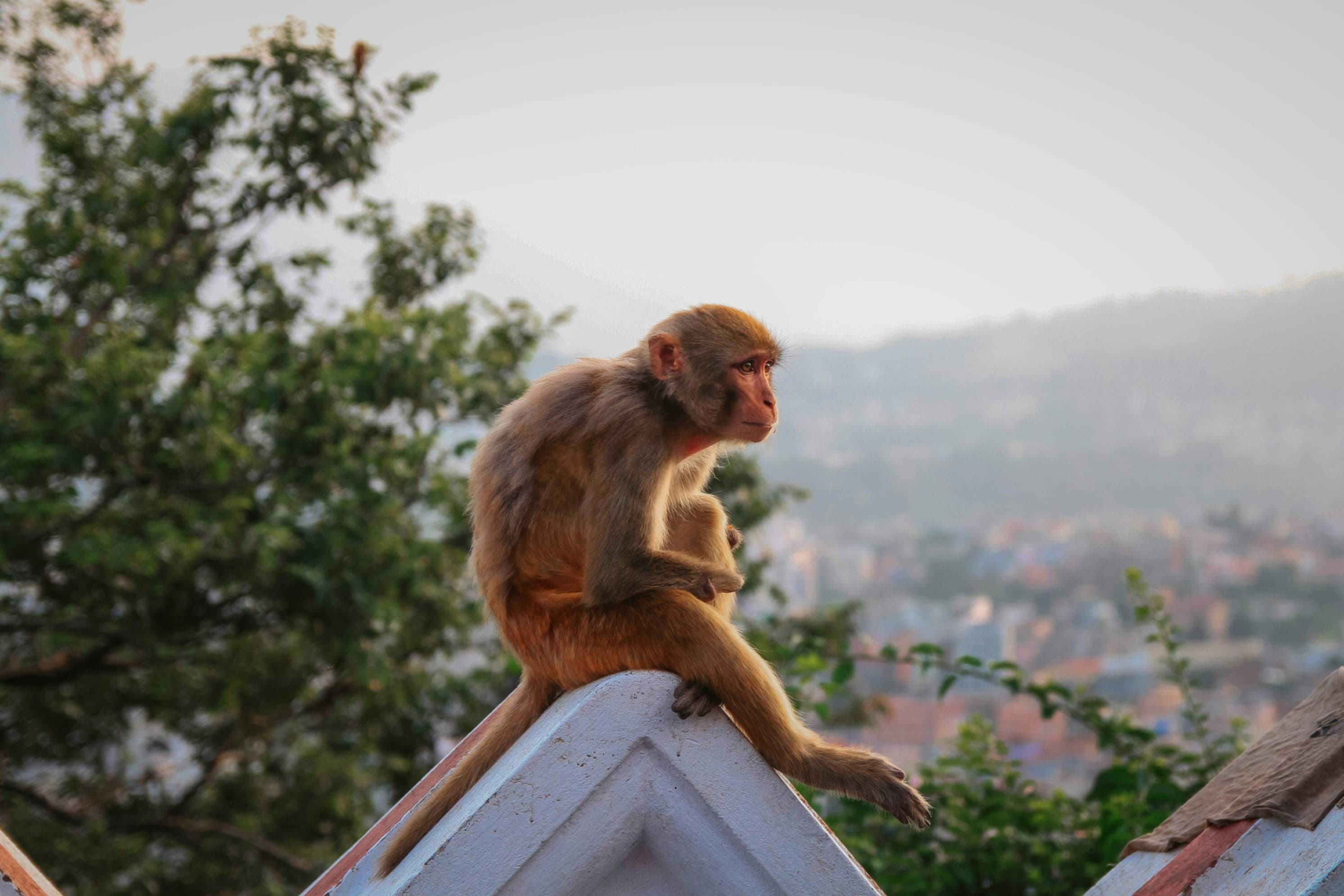
When most people think about wildlife conservation, they picture vast forests, dramatic mountain ranges, or remote national parks - not the busy streets and neighborhoods of a growing city like Denver. But as our cities keep expanding, it's becoming more important than ever for urban areas to step up and help protect nature. Denver, with its close connection to the Rockies and its strong outdoor culture, is in a great spot to lead the way on city-based wildlife conservation. The real challenge isn’t keeping nature out - it’s figuring out how to live side by side with it right here in the city.
Wildlife conservation isn’t just about saving endangered animals in far-off places. It’s also about finding that sweet spot where urban living and nature can exist together. In Denver, that means recognizing the value of bees and butterflies that help our gardens bloom, or birds that naturally keep pest populations in check and support local ecosystems. As a Coloradan, I’ve seen firsthand how even small steps - like planting native flowers or cutting back on pesticides - can have a surprisingly big impact on bringing wildlife back into our neighborhoods.
Global Inspiration, Local Action
Cities around the world are proving that nature and urban life can actually complement each other. In Singapore, for instance, green roofs transform tall buildings into welcoming spaces for birds and insects. In London, specially designed bridges let animals cross busy roads safely. These creative ideas show us that cities don’t have to push nature away - they can be part of the solution.
Here in Denver, local efforts like the Pollinator Corridor Initiative are already turning public spaces into vibrant habitats for bees, butterflies, and birds. By expanding these programs and encouraging people to plant wildlife-friendly gardens, Denver has a real opportunity to become a leader in sustainable urban living. And by learning from what other cities are doing and being open to new ideas, we can keep finding smart ways to protect Denver’s one-of-a-kind natural environment.
Partnerships Between Government and Community
City leaders and everyday community members can team up to make Denver a place where wildlife doesn’t just survive, but thrives. Local government can do a lot - from supporting native landscaping in parks and public spaces to adding green roofs and rain gardens to city buildings. These kinds of features help manage rainwater, reduce pollution, and create cozy homes for pollinators. Even something as simple as dimming bright lights in certain areas can make a big difference for animals that are active at night.
But residents have a big part to play, too. Whether it’s planting native flowers in your yard, setting up a bird feeder, or joining a Denver Parks & Recreation volunteer project, every little bit helps. And it’s not just good for the animals - it also helps us feel more connected to the nature right outside our doors.
The Benefits of Urban Conservation
Taking care of nature in the city isn’t only about helping animals - it actually makes life better for people, too. Cleaner air, more green spaces, and healthier ecosystems all lead to stronger, happier communities. These perks go hand in hand with better public health and can really boost both our mental and physical well-being.
By protecting native species and restoring natural areas, Denver can continue to shine as one of America’s greenest cities. This kind of work also supports the city’s bigger goals around sustainability and resilience, especially as we face the challenges of climate change. So investing in urban conservation isn’t just good for the planet - it’s good for people and good for the economy, too.
Building a Shared Future for People and Wildlife
Conserving wildlife in city like Denver really starts with small steps that, when added together, can create big change. Whether it’s a new city policy or a homeowner planting a backyard garden, every action counts. When these efforts connect across neighborhoods, they build a citywide web of support for nature.
We can create a city where people and wildlife live side by side - where birds nest on rooftops, pollinators flourish in our parks, and nature remains a core part of our city’s identity. Moving forward will take teamwork, fresh ideas, and a shared commitment to caring for the natural world, even right here in the heart of the city.