Wildlife Conservation: Our Shared Responsibility for a Living Planet
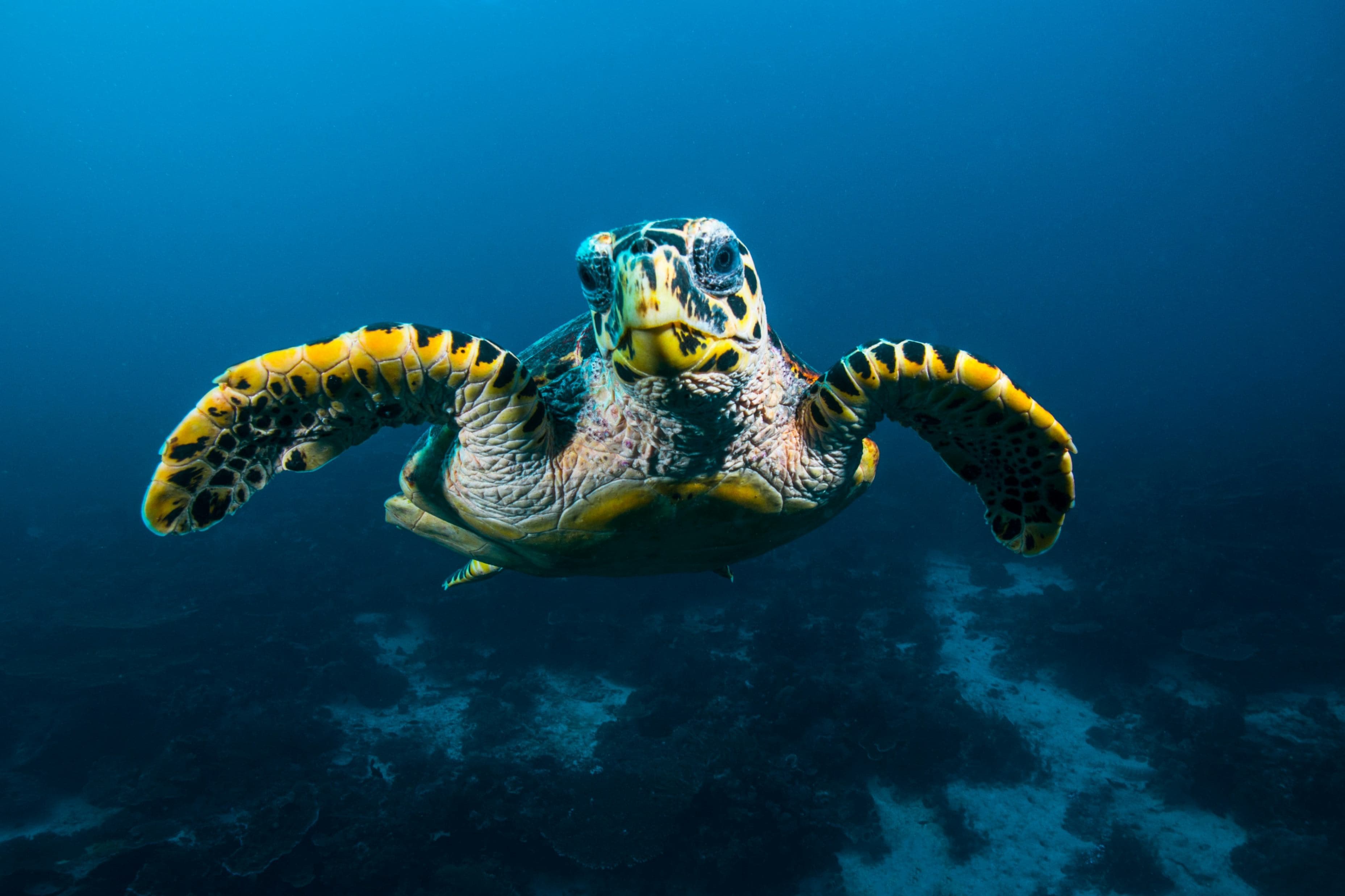
Wildlife conservation isn’t just about saving animals - it’s about protecting balance. Every time a species disappears, a piece of our planet’s stability goes with it. From forests to coral reefs, ecosystems rely on harmony between life forms, and humans are part of that chain. Conservation means more than admiration; it means accountability. Whether it’s reducing habitat destruction, supporting sanctuaries, or spreading awareness, we each have a role in ensuring that future generations inherit a world still alive with sound and motion.
At its core, wildlife conservation helps preserve the interconnected systems that sustain life on Earth. Animals play essential roles in their environments - pollinating plants, dispersing seeds, controlling pests, and maintaining healthy soil and water systems. When one species is lost, the ripple effects can destabilize entire ecosystems, affecting not just other wildlife but also human well-being, agriculture, and even climate resilience.
Unfortunately, human activity is the leading driver of biodiversity loss. Deforestation, pollution, climate change, overfishing, and urban sprawl continue to fragment habitats and push countless species toward extinction. While these challenges are complex, they are not insurmountable. By understanding our impact, we can make informed choices that support rather than harm the natural world.
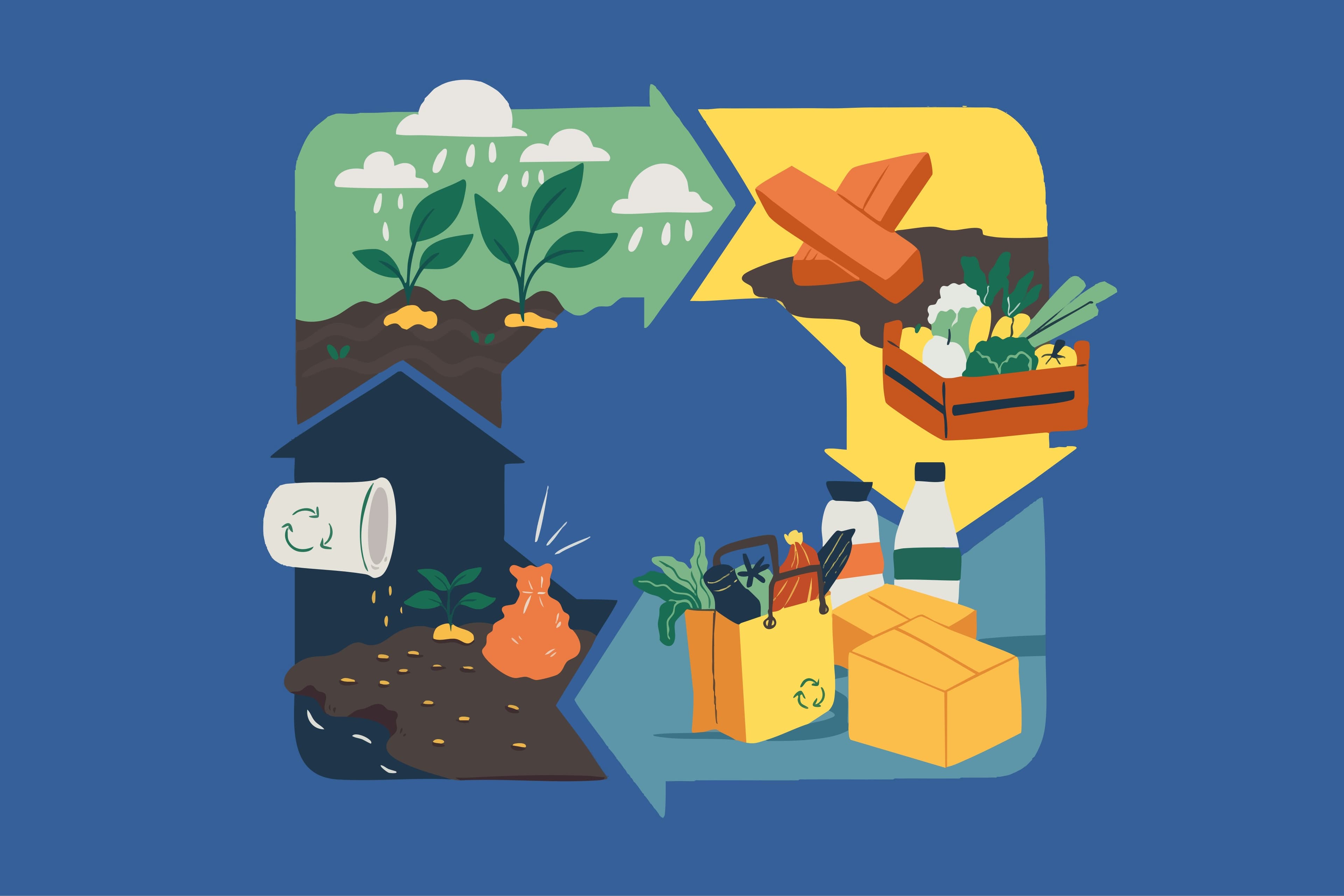
There are many practical ways individuals and communities can take action. Supporting conservation organizations, volunteering for habitat restoration projects, and choosing sustainably sourced products can all make a difference. Simple lifestyle changes - like reducing single-use plastics, conserving water, or planting native species - help protect local wildlife and ecosystems. Education plays a powerful role as well; the more people understand the value of biodiversity, the more likely they are to protect it.
Community-driven conservation efforts are especially effective. When local people are empowered to protect their natural resources, both wildlife and human communities thrive. Collaboration between scientists, governments, and citizens can lead to innovative solutions that balance development with environmental stewardship.
Wildlife conservation is not just a task for experts or governments - it’s a shared responsibility. Every step we take, no matter how small, contributes to a global movement to safeguard the planet's precious biodiversity. By choosing to care, to act, and to speak up, we help ensure that Earth remains a vibrant, living world for generations to come.
Let’s protect the planet - not just for the animals, but for all of us who call it home.