Chalkboards, Chat Rooms, And Change: Teaching Communication For A New Era
Imagine a classroom where a heated debate breaks out over a controversial topic, yet no one raises their voice, no one rolls their eyes, and every student walks away feeling heard. That is not a fantasy classroom. It is what becomes possible when communication skills are not an “extra,” but a core part of the curriculum, as essential as reading and math.
Embedding Communication Skills Into Everyday Learning
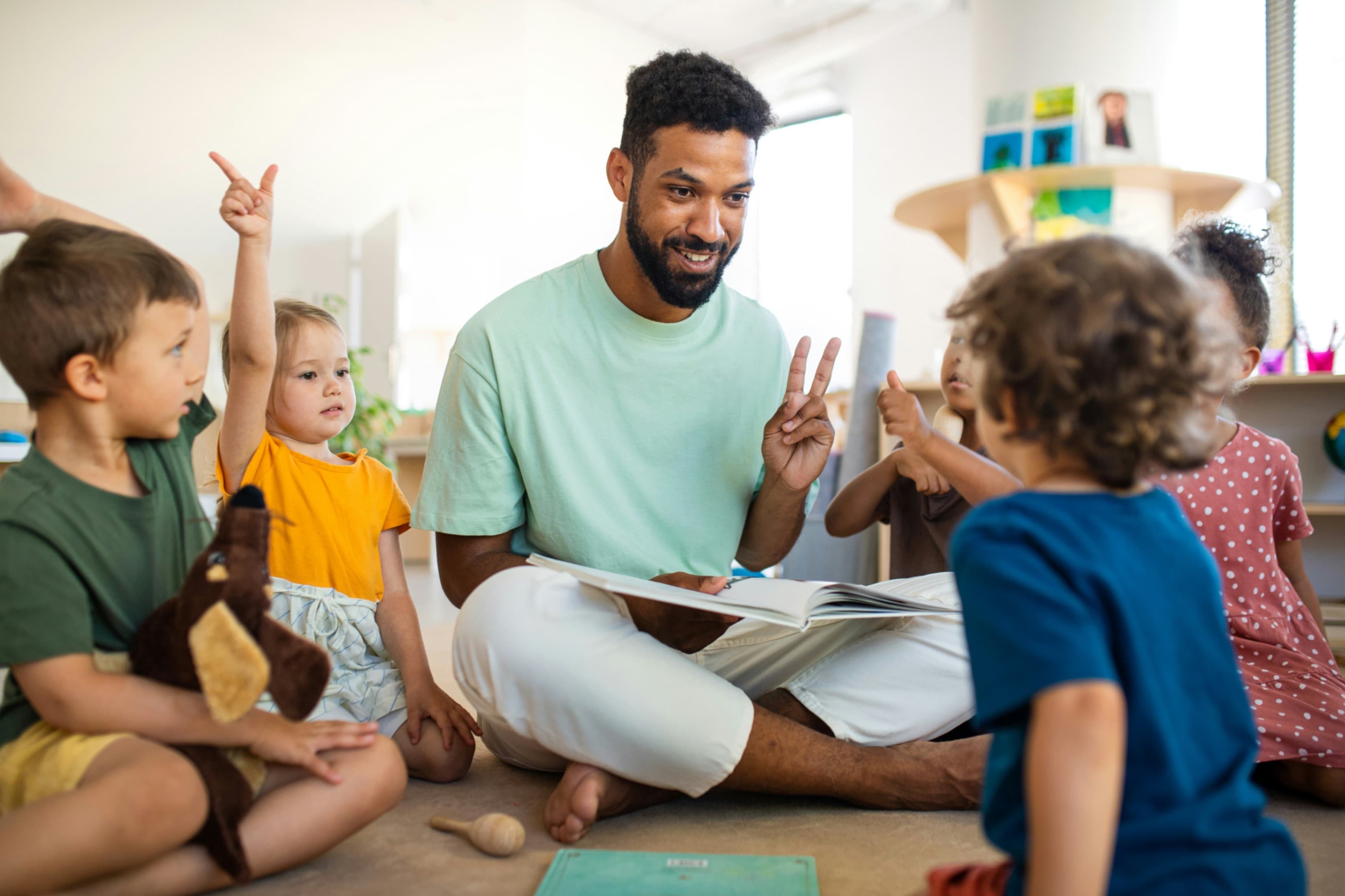
Embedding communication skills into existing subjects turns ordinary lessons into practice grounds for civil discourse. When students debate a character’s choices in English class or present solutions to a data problem in math, they are not just learning content. They are learning how to speak clearly, listen actively, and respond thoughtfully.
Picture a science project where students must propose a solution to a local environmental issue. One student is convinced that planting trees is the answer, another thinks changing traffic patterns is more realistic, and a third wants a community education campaign. As they negotiate which idea to prototype, they are practicing how to persuade, compromise, and find shared ground. The teacher’s role is not to pick a winner, but to guide the conversation so students learn how to disagree without becoming disagreeable.
When communication is woven into group projects, presentations, and peer feedback, students develop habits that carry beyond the classroom. They learn how to ask clarifying questions instead of making assumptions, how to pause before reacting, and how to frame their ideas in ways others can actually hear.
Teachers As Everyday Models Of Civil Discourse
Teachers are the living curriculum. The way they respond to a challenging question or handle a snide comment teaches more about civil discourse than any poster on the wall ever could. When a student makes a blunt or insensitive remark, a teacher who calmly asks, “Can you rephrase that in a way that respects everyone here?” shows students what accountability without humiliation looks like.
Creating a classroom where students feel safe to speak up starts long before a controversial topic appears. It begins with routines: greeting students by name, acknowledging different viewpoints, and setting norms such as “criticize ideas, not people.” When those norms are practiced every day on low-stakes topics, they are more likely to hold when the subject is politics, identity, or injustice.
Professional learning matters here. Many teachers were never trained to facilitate tense conversations. Practical workshops that use real scenarios, role-play, and sentence starters can help. Phrases like “I hear your point, and I see it differently because…” or “What I’m understanding you to say is…” give teachers and students a shared language for navigating disagreement. Supporting teachers with time, coaching, and community sends a clear message: civil discourse is not a side project, it is central to the mission of education.
Using Technology To Grow Communication, Not Conflict
Technology can either amplify conflict or elevate conversation. The difference lies in how we use it and what we teach alongside it. When students participate in an online discussion board about a novel, for example, they practice writing posts that invite dialogue instead of shutting it down. A comment like “You’re wrong” can be reworked into “I interpreted that scene differently, here’s why,” and the shift in tone changes everything.
Virtual exchanges with students from other schools or countries can be especially powerful. A video call with peers in another region, where students compare perspectives on a shared global issue, turns abstract “diversity of viewpoints” into real people with real lives. Tools such as video conferencing, collaborative documents, and classroom platforms become rehearsal spaces for the professional communication students will need in their future workplaces.
Digital etiquette is now a core communication skill. Students need explicit guidance on how to respond to disagreement online, when to pause before posting, and how to recognize when a conversation is no longer productive. Practicing these skills in a supported environment helps them avoid the all-too-common pattern of impulsive comments, spiraling arguments, and regret.
Facing Real-World Challenges And Making Space For Communication
Many schools already feel stretched to the breaking point. Curriculum maps are packed, testing schedules are tight, and every new initiative can feel like one more plate to spin. That is exactly why communication skills must be integrated, not treated as a separate course waiting for “extra time” that never arrives.
A history lesson on a landmark court case can culminate in a structured debate. A math project can end with short presentations where students must explain their reasoning to classmates who are encouraged to ask thoughtful questions. Instead of adding more content, schools can redesign existing tasks so they double as communication practice.
Resistance is natural. Some educators or families may worry that focusing on communication takes attention away from test scores or “hard skills.” Yet employers consistently rank communication among the most sought-after abilities in job candidates, right alongside problem-solving and collaboration. When families see how communication skills lead to stronger relationships, better teamwork, and more opportunities in work and civic life, skepticism often turns into support. Parent nights, sample student discussions, and simple home activities, such as sharing “highs and lows” of the day using active listening, can make the benefits visible and concrete.
Bringing The Community Into The Conversation
Schools do not teach communication in isolation. The way people talk in families, workplaces, and public spaces sets a powerful backdrop. When schools invite the community in, students gain a front-row view of how communication works in the world they are preparing to enter.
Imagine a local nurse explaining how clear communication with patients can literally save lives, or a small business owner describing how a single respectful conversation with an unhappy customer turned a complaint into loyalty. Internships, service projects, and mentorships give students authentic, sometimes messy situations in which to practice what they have learned about listening, explaining, and resolving conflict.
Community events can also serve as live laboratories for civil discourse. A student-led forum on a local issue, moderated by young people trained in facilitation, not only builds their confidence but also shows adults what constructive conversation can look like. These experiences help students see that the skills they practice in class do not stay in class. They matter in neighborhood meetings, on job sites, and at the dinner table.
Policies That Back Up The Promise
If communication skills and civil discourse are truly essential, policies need to say so and budgets need to show it. That means supporting teacher training focused on dialogue and conflict navigation, encouraging curricula that include structured discussion and collaborative work, and funding technology that supports healthy communication rather than distraction.
Policy can also protect the space for civil discourse. When guidelines make it clear that discussing complex issues is not only allowed but expected, teachers are less likely to avoid important topics out of fear. Partnerships between educators, families, and community leaders can help shape policies that fit local values while still keeping communication skills at the center.
Grants and targeted funding can act as catalysts. A small investment in a peer-mediation program, a student journalism club, or a community dialogue series can spark a culture shift that spreads throughout a school or district. When policymakers see evidence that students who practice respectful communication are more engaged, more collaborative, and better prepared for modern workplaces, it becomes easier to justify sustained support.
Moving Toward A More Civil Future
When students learn to communicate across differences, the effects ripple outward. A young person who knows how to listen without surrendering their convictions is more likely to be a colleague who solves problems instead of escalating them, a neighbor who joins conversations instead of avoiding them, and a citizen who participates in civic life instead of retreating from it.
Some countries and school systems that deliberately emphasize communication and collaboration have reported higher levels of social trust and civic involvement. Classrooms that focus on dialogue and perspective-taking tend to see fewer explosive conflicts and more creative problem-solving. Over time, those small daily choices about how to speak and how to listen accumulate into a culture that feels more respectful, more curious, and more resilient.
The path to a more civil society starts in the places where children first learn how to talk about what matters. Every classroom discussion, every group project, every online exchange is a chance to rehearse the kind of society we want to live in.
Your Turn To Lead The Conversation
Here is where you come in. Whether you are a principal, a classroom teacher, a policymaker, a parent, or someone just beginning your career in education, you have a say in how people learn to talk to one another. Choose one conversation you can influence this week: a staff meeting, a class discussion, a board agenda, or even a family gathering. Decide in advance how you will model curiosity, invite quieter voices in, and handle disagreement with respect. Then act on it. If each of us treats the next conversation we lead as practice for a more civil future, those futures stop being hypothetical and start becoming real.
References
Anderson, Paul. “Policy Frameworks for Education in Civil Discourse.” Policy and Education Review 8, no. 2 (2021): 33–49.
Brown, Susan. “Technology in Education: Enhancing Communication.” Digital Education Perspectives 2, no. 3 (2021): 50–67.
Green, Thomas. “Community Partnerships and Educational Outcomes.” Community and Education Journal 15, no. 6 (2017): 89–102.
Jones, Laura. “The Role of Educators in Fostering Civil Discourse.” Pedagogical Innovations 10, no. 1 (2019): 78–95.
Nelson, Dana. “International Perspectives on Communication Skills in Education.” Global Education Studies 14, no. 1 (2022): 110–25.
Smith, John A. “Developing Communication Skills in Education.” Educational Review Journal 45, no. 2 (2020): 123–45.
Williams, Rachel. “Overcoming Challenges in Communication Skills Education.” Journal of Curriculum Development 12, no. 4 (2018): 200–15.
More from Education
Explore related articles on similar topics