Building a City’s Brand: Schools as Surprising Assets in Tourism Marketing
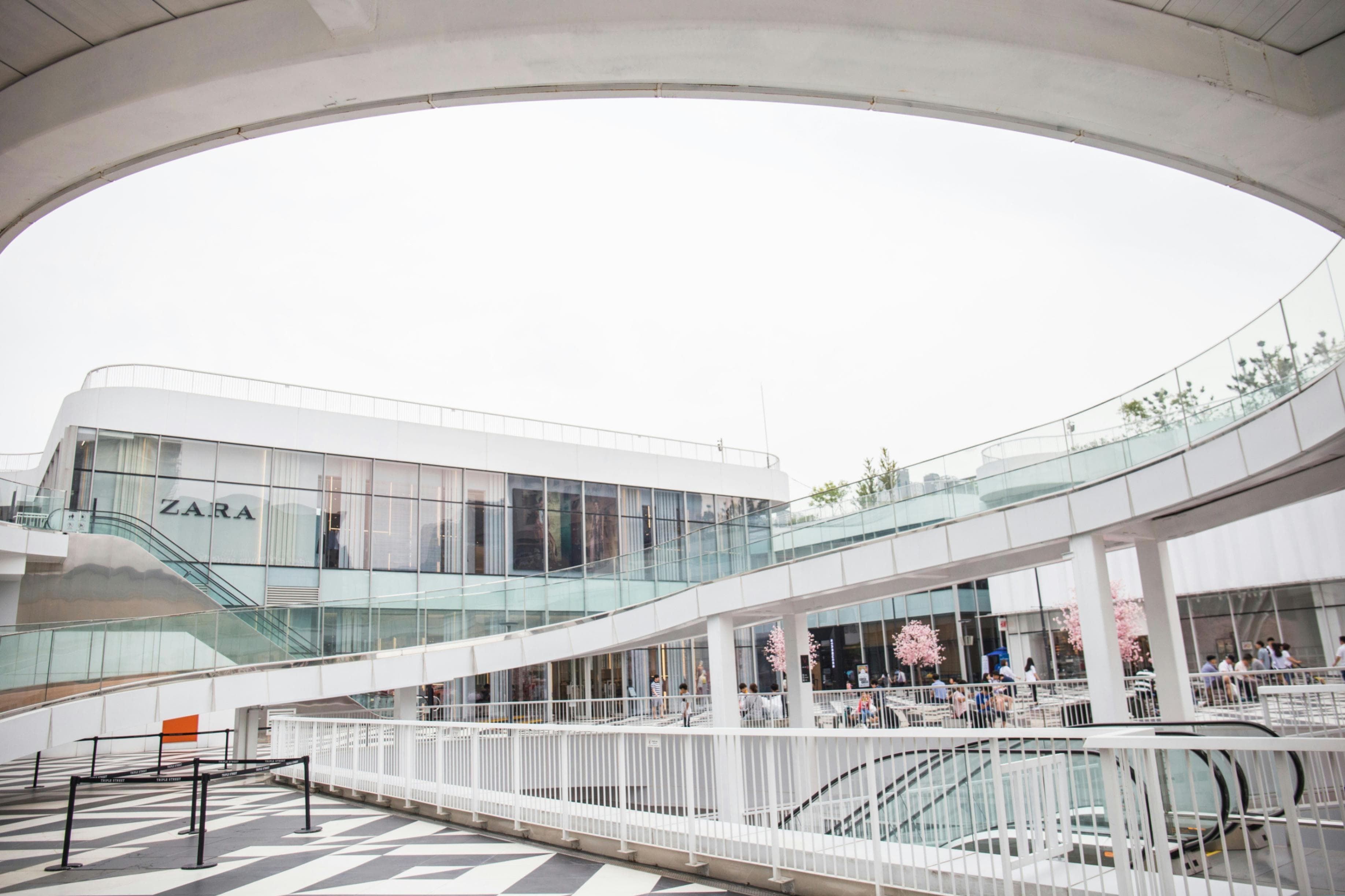
The idea that schools and school communities can be part of a city’s tourism strategy is not only plausible, but increasingly relevant for municipalities aiming to differentiate themselves in a competitive visitor economy. While higher education institutions have long been integrated into tourism offerings through campus tours, alumni events, and architectural showcases, K-12 schools are beginning to emerge as distinctive community assets with tourism potential. When designed or programmed with unique educational philosophies, sustainable infrastructure, or cultural significance, these schools can offer experiences that resonate with family travelers, education professionals, and niche travel markets.
For example, schools with outdoor learning environments, green-certified buildings, or culturally embedded teaching practices can function as experiential destinations. Municipal tourism offices can work with local school districts to highlight scheduled open houses, student exhibitions, or public-facing events as part of broader destination marketing campaigns. In cities like Portland, Oregon, the integration of permaculture and environmental design into school grounds has drawn attention from educators and planners globally, leading to organized visits and tours that align with broader eco-tourism goals of the city itself1.
Integrating Educational Tourism into City Branding Strategies
City branding efforts often focus on cultural institutions, historic sites, and culinary experiences, but there is a unique opportunity to incorporate the educational identity of a place. Cities that are known for innovative or progressive education systems can use this reputation as part of their destination narrative. This is particularly effective in cities with magnet schools, language immersion programs, or STEAM-focused campuses that are open to public engagement. In Finland, for instance, international delegations frequently tour public schools to learn from their highly regarded education system, which has become a part of the country’s soft power and global visibility2.
Municipal tourism bureaus can formalize partnerships with school districts to curate visitor experiences that align with educational themes. This might include promoting school gardens during agricultural festivals, hosting teacher exchange forums, or organizing public learning days where local schools open their doors to visiting families or groups. These initiatives not only enhance the visitor experience but also deepen civic pride and community engagement. Educational tourism of this kind requires careful coordination to respect student privacy and school operations, but with clear parameters, it is a feasible and valuable addition to a city’s visitor offerings.
Operational Considerations for Municipal Planners
For municipal tourism departments considering the integration of schools into their tourism strategy, several practical considerations must be addressed. First, collaboration with school leadership is essential to establish when and how schools can be visited without disrupting learning. Pre-scheduled tours, public exhibitions, or weekend events are ideal formats. Additionally, cities must align with school district policies on external engagement, liability, and communications to ensure compliance and protect student interests.
Second, accessibility and transportation logistics should be evaluated. If school sites are located in residential neighborhoods, considerations around parking, public transit connections, and walkability are critical. These factors not only influence the visitor experience but also affect the surrounding community. In some cases, it may be beneficial for cities to pilot educational tourism programs during seasonal breaks or special event periods, when schools are already more open to outside visitors. This type of planning requires cross-departmental coordination, involving tourism, education, and public works staff.
Case Examples and Precedent Models
Some municipalities have already begun to experiment with integrating schools into their broader tourism strategies. In Des Moines, Iowa, the Central Campus high school program, which includes a marine biology lab and aviation technology center, has hosted regional and national delegations interested in career and technical education models. The school has become part of the city's broader narrative around innovation and opportunity, supporting economic development goals while attracting educational professionals and families3.
Similarly, in the San Francisco Bay Area, schools that incorporate bilingual education and culturally responsive pedagogy have been featured in programs for international educators and exchange groups. These visits contribute to the local economy through lodging, dining, and transportation services while also reinforcing the city’s identity as a hub for progressive education. These examples illustrate how educational tourism can be a valuable tool for municipal branding, economic development, and cultural exchange when implemented thoughtfully.
Marketing and Promotion of Educational Assets
From a destination marketing perspective, featuring schools within tourism content requires a nuanced approach. Rather than marketing schools directly as tourist attractions, municipalities should frame them as part of a broader narrative of community vitality and innovation. For instance, storytelling in visitor guides or digital campaigns might highlight how a city’s commitment to education shapes its neighborhoods, fosters creativity, or supports sustainability. Including visuals of school gardens, student art, or public events can subtly convey the vibrancy of a community.
Marketing teams within tourism departments should collaborate with communications staff from school districts to develop asset libraries, messaging guidelines, and shared calendars. These tools help ensure consistency and respect for the educational mission while enabling tourism professionals to include school-related content in itineraries, visitor experiences, or event promotions. By positioning schools as living examples of local values and innovation, cities can differentiate themselves in ways that appeal to values-driven tourists, relocating families, and education professionals alike.
Conclusion: Strategic Value and Next Steps
Schools can absolutely serve as compelling components of a city’s tourism and branding strategy when approached with intentionality and respect for their primary educational purpose. They are physical and cultural assets that reflect community values, design innovation, and civic investment. Municipal governments have the opportunity to leverage these assets in ways that attract visitors, support economic activity, and reinforce a city’s identity as a place of learning and development.
For cities interested in exploring this opportunity, the next steps include identifying schools with unique offerings, establishing protocols for engagement, and embedding educational themes within existing tourism campaigns. By doing so, municipalities can create new channels for visitor engagement that also benefit local families, educators, and students. The intersection of education and tourism represents an evolving space where cities can lead by example and innovate beyond traditional attraction models.
Bibliography
City of Portland Bureau of Planning and Sustainability. 2022. “Sustainable School Design and Community Education.” https://www.portland.gov/bps/schoolsustainability.
Organisation for Economic Co-operation and Development (OECD). 2020. “Finland: Education Policy Outlook.” https://www.oecd.org/education/education-policy-outlook-finland-2020.pdf.
Des Moines Public Schools. 2021. “Central Campus Career and Technical Programs.” https://centralcampus.dmschools.org/programs.