Brushstrokes and Bottom Lines: The Business Case for Public Art
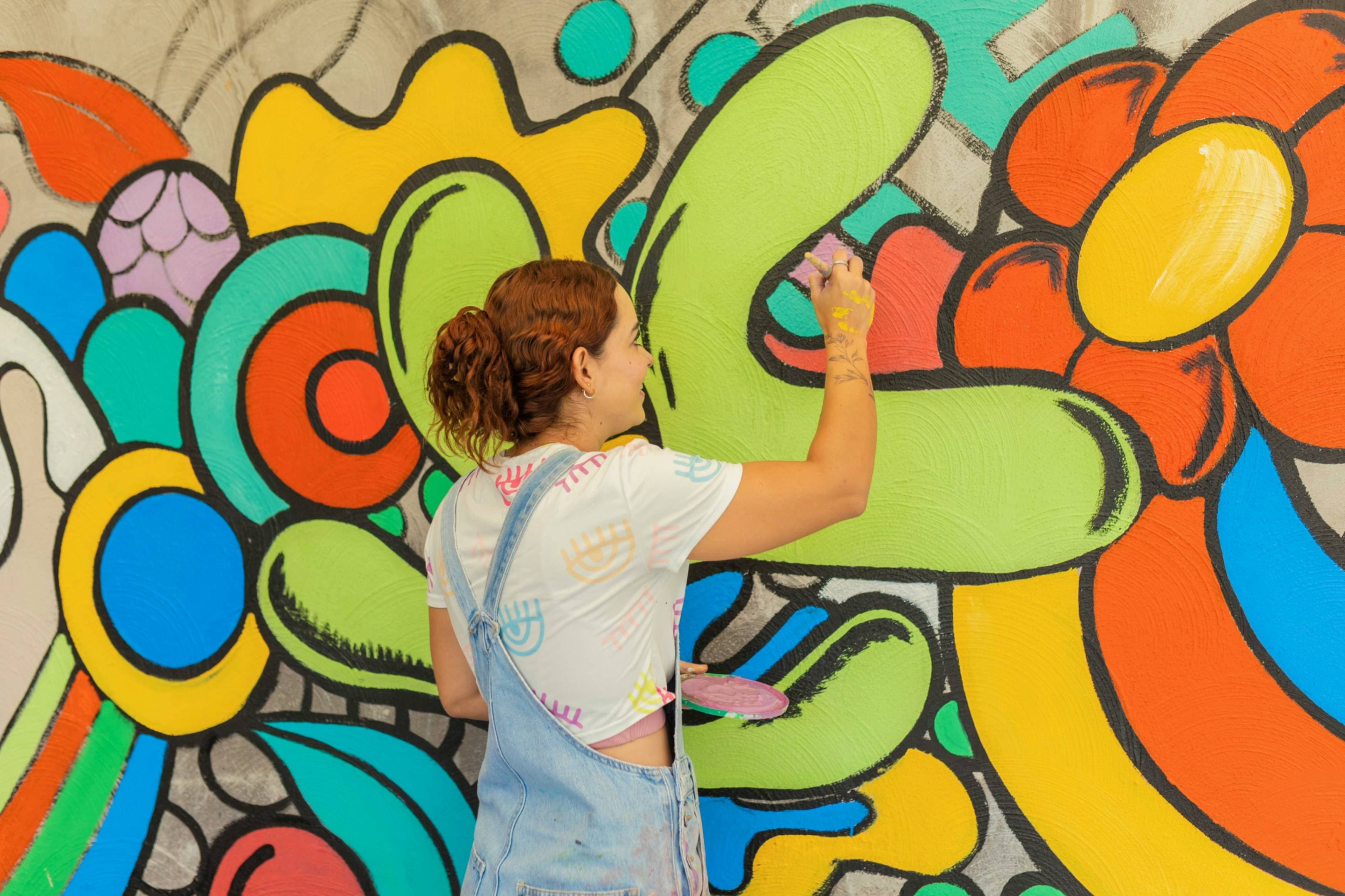
Art isn’t just for gallery walls- it’s the pulse of a city’s heart and the spark behind its revival. From the bold murals that reclaim forgotten alleys to the festivals that turn vacant lots into gathering grounds, public art reshapes not only skylines but economies. When creativity meets strategy, neighborhoods thrive, small businesses bloom, and communities rediscover their shared identity. What if the secret to long-term economic growth is hiding in plain sight- in the paint, the performance, and the people who dare to imagine what their city could be?
Artwork is everywhere and an integral part of our city - whether it's housed inside a federally funded museum or one of the intricate designs of artists daring to create on the street. The impact is made on the viewer, and it is when the artistic design occurs in places that are seemingly impossible to access - that's where the most beautiful things happen - both for the artist and the observer. I view tackling a large project as a manager exactly like this. One thing is for certain - the way we think and how we approach the challenges in front of us are forever altered due to experiencing their craft.
This connection between art and transformation is not abstract. It is real, tangible, and critical when building strategies for economic growth. It begins with identifying and honoring the cultural assets that already exist in our communities. By recognizing the potential of these assets - whether they are local artisans, historic architecture, or grassroots performance spaces - we open a door to collaborative problem-solving. The process of working through a large-scale initiative with a diverse team mirrors the creation of public art: it takes vision, adaptability, and trust in the creative momentum that emerges when people gather around a shared goal.
Public Art as a Catalyst for Economic Activity
Public art can serve as a foundation for revitalizing neighborhoods and stimulating local economies. In one project I managed, we integrated a rotating mural program into a broader downtown revitalization effort. Artists from within the community were commissioned to design large-scale pieces on vacant building facades. These installations not only discouraged graffiti and vandalism but also drew tourists and foot traffic into areas that had long been overlooked. The murals became focal points for walking tours and local business promotions, increasing retail sales by over 15% within the first year of implementation, according to our downtown business improvement district's economic impact report.
Research supports this approach. A 2017 study by the National Endowment for the Arts found that communities with active public art programs experienced increased civic engagement and tourism, leading to measurable economic benefits such as higher retail sales and property values¹. When art is used strategically, it becomes more than visual appeal - it turns into a tool for economic renewal. The key lies in embedding the arts into policy and planning processes so that artists are viewed not as afterthoughts, but as stakeholders in the development of our cities.
Placemaking as a Tool for Community-Led Growth
Placemaking goes beyond beautification; it is about creating spaces where people feel a sense of ownership and connection. In one of our most successful efforts, we worked with local businesses, youth groups, and arts organizations to convert an underutilized alleyway into a usable public space. Through community-led design workshops, we installed lighting, seating, and temporary art exhibits. The project attracted weekend markets, performances, and late-night dining, increasing the average time visitors spent in the area and encouraging new business investment in adjacent storefronts.
The Project for Public Spaces defines placemaking as a collaborative process that reimagines public spaces into centers of community life². It is this collaborative nature that makes placemaking such a powerful economic development strategy. When residents are involved in shaping their environment, they are more likely to support, maintain, and promote the space. This collective buy-in translates into stronger local economies as small businesses find new opportunities in revitalized districts. In our case, vacancy rates on the block dropped from 35% to under 10% within two years of the placemaking initiative's completion.
Leveraging Cultural Assets for Long-Term Impact
Cultural assets are often hidden in plain sight. They include the historical landmarks, food traditions, music festivals, and even storytelling practices that define the character of a place. One strategy we employed involved mapping these assets across our city, identifying clusters where cultural activity was already occurring. We then partnered with local colleges and cultural institutions to create an annual arts trail, connecting these clusters through a series of events that directed both residents and visitors to underexplored neighborhoods.
The economic impact was measurable. According to Americans for the Arts, cultural tourism generates more revenue per trip than non-cultural tourism and supports more local jobs³. By investing in wayfinding signage, coordinated marketing, and infrastructure improvements, we turned cultural engagement into a driver for small business growth. Restaurants, craft shops, and heritage tour operators all reported increased demand during event weekends. More importantly, the sense of pride and identity that emerged from recognizing our shared heritage had a lasting effect on community cohesion and resilience.
Teamwork and the Transformative Power of Challenges
Large projects, especially those that involve cultural strategy, require a unique kind of leadership. They demand that we listen intently, delegate trust, and remain flexible when the unexpected occurs. I have found that the most impactful initiatives are those where the team brings diverse backgrounds and expertise, yet unites around a common vision. Much like a mural or a public performance, the final product is never exactly what you imagined at the outset - it is better. It reflects the contributions of people who might not otherwise be in the same room.
One of the most rewarding aspects of these projects is witnessing the evolution of the team itself. Individuals who may have started out unsure of their role or skeptical of the process often end up as some of the most passionate advocates. The challenges we face - tight budgets, regulatory constraints, competing priorities - become the canvas on which we innovate. Each obstacle is an invitation to create value, to connect across sectors, and to deliver something lasting. Just like the best public art, the process changes us.
Strategic Integration into Economic Development Plans
For public art, placemaking, and cultural assets to be truly effective as part of an economic growth strategy, they must be integrated into long-term planning documents and funding frameworks. In our experience, coordinating with planning departments, chambers of commerce, and transportation agencies ensured that cultural initiatives were not siloed but aligned with broader goals like transit-oriented development and workforce attraction. When these efforts are codified in comprehensive plans or economic development strategies, they gain legitimacy and access to funding streams that can sustain their impact.
Cities like San Diego and Chattanooga have shown that sustained investment in cultural infrastructure leads to stronger economies and greater regional competitiveness⁴. By embedding cultural strategies into zoning codes, development incentives, and tourism campaigns, municipalities can ensure that their creative sectors have the tools and recognition they need to thrive. For practitioners, the lesson is clear: culture is not a luxury - it is infrastructure. Recognizing this early and advocating for its role in economic development can yield results that are both financially and socially transformative.
Bibliography
National Endowment for the Arts. “How Creativity Works in the Brain.” NEA Research Report #2, 2017. https://www.arts.gov/sites/default/files/Creativity-and-Brain.pdf
Project for Public Spaces. “What is Placemaking?” Accessed March 2024. https://www.pps.org/article/what-is-placemaking
Americans for the Arts. “Arts & Economic Prosperity 5: The Economic Impact of Nonprofit Arts & Cultural Organizations and Their Audiences.” 2017. https://www.americansforthearts.org/by-program/reports-and-data/research-studies-publications/arts-economic-prosperity-5
National League of Cities. “How Cities Can Grow the Creative Economy.” 2018. https://www.nlc.org/article/2018/03/15/how-cities-can-grow-the-creative-economy/