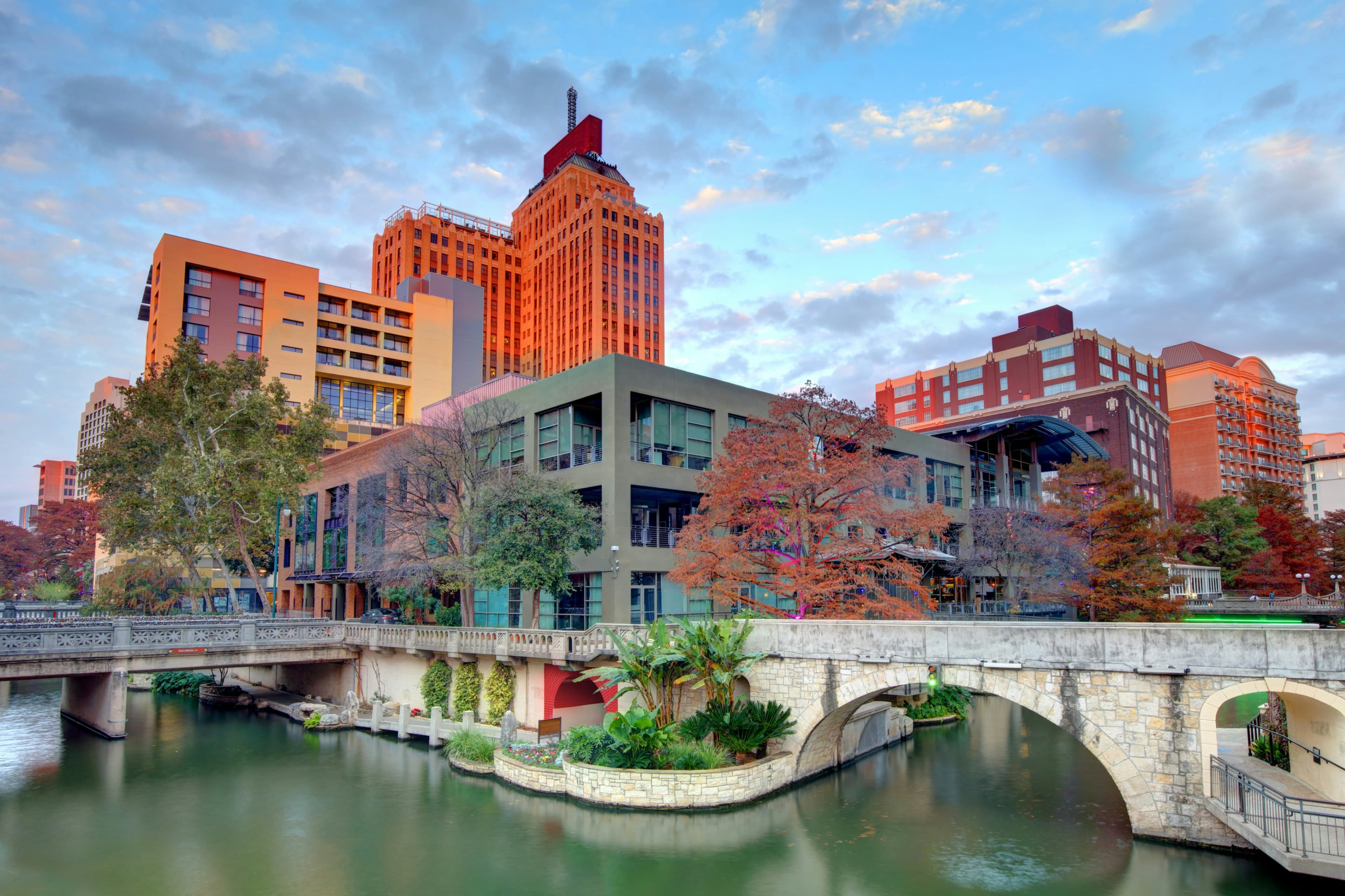
History Meets Progress: How Texas Cities Keep Character Amid Rapid Growth
As North Texas continues to attract new businesses and residents, the pressure to accommodate this growth often places strain on the cultural and historical fabric of long-established communities. While growth is essential for economic vitality, it is equally important to ensure that development initiatives do not erode the local identity that makes these communities attractive in the first place. City planners and economic development professionals must carefully weigh the benefits of new investments against the long-term value of preserving community character and heritage assets.
In practical terms, this balance requires clear alignment between planning, zoning, and historic preservation policies. Local governments can implement overlay districts or conservation zones that restrict incompatible development in historically significant areas. These tools help protect architectural styles, maintain cohesive streetscapes, and prevent the demolition of structures that contribute to a community’s sense of place. For example, the City of McKinney has adopted a Historic Preservation Ordinance that requires any modifications within its historic district to adhere to specific design guidelines, effectively ensuring that new development respects the character of existing structures1.
Leveraging Historic Assets for Economic Development
Rather than viewing preservation and growth as mutually exclusive, many North Texas communities are finding ways to integrate both goals. Adaptive reuse of historic buildings is one of the most effective strategies. This approach not only conserves local heritage but also creates economic opportunities by revitalizing underutilized properties. Historic buildings often occupy prime real estate near downtown cores or transit corridors, making them ideal candidates for retail, commercial, or mixed-use projects.
In Fort Worth, the Near Southside district has become a model for how historic preservation can drive economic revitalization. The neighborhood was once in decline but has been transformed through a combination of tax incentives, zoning reforms, and preservation grants. Historic buildings have been converted into offices, restaurants, and residential units, attracting both small businesses and residents seeking an authentic urban experience. This transformation has contributed to job creation and increased property values while maintaining the unique architectural character of the area2.
Incentive Programs That Encourage Preservation
To successfully implement preservation-based economic development, local governments must offer targeted incentives that make it financially viable for developers and business owners to invest in historic properties. These incentives can take the form of facade improvement grants, property tax abatements, or low-interest loans. Programs like the Texas Historic Preservation Tax Credit have proven effective in encouraging private investment in historic rehabilitation projects by offering a 25 percent tax credit on qualified expenditures3.
For smaller communities like Granbury, local partnerships and nonprofit organizations play a critical role in administering these programs. Historic Granbury Merchants Association, for example, collaborates with the city to provide design assistance and funding support for businesses occupying historic storefronts around the courthouse square. This type of coordinated effort helps small towns remain economically competitive while reinforcing their unique identities as destinations for tourism, local commerce, and community gathering4.
Community Engagement as a Strategic Tool
Public input is essential when balancing economic development and heritage preservation. Engaging long-time residents, business owners, and civic organizations in the planning process ensures that development projects reflect community values. Transparent dialogue helps build trust between stakeholders and reduces opposition to change by ensuring that growth is guided, not imposed. Public workshops, design charrettes, and advisory committees are practical tools for facilitating this engagement.
In Denton, city officials have incorporated extensive public feedback into updates of their Downtown Master Plan. Through a series of stakeholder meetings and surveys, planners were able to identify community priorities such as preserving the Denton County Courthouse-on-the-Square and maintaining the walkability of the downtown core. This participatory approach has led to development policies that support infill growth while safeguarding key cultural landmarks5.
Long-Term Planning and Policy Integration
Economic development initiatives must be framed within long-term comprehensive planning efforts. This ensures that short-term growth does not compromise the community’s long-term resilience and identity. Integrating land use, transportation, and economic strategies with historic preservation goals allows for more cohesive and sustainable outcomes. For instance, the North Central Texas Council of Governments (NCTCOG) supports regional planning frameworks that account for both economic competitiveness and environmental stewardship6.
Local governments should also adopt performance metrics to evaluate the success of heritage-based development projects. Metrics such as job creation, tax base expansion, and visitor spending can be tracked alongside indicators like building occupancy rates, preservation compliance, and community satisfaction. This data-driven approach allows for continuous improvement and alignment of development objectives with community values.
Building Capacity Through Partnerships and Technical Assistance
Many smaller communities may lack the internal capacity to manage complex preservation and development initiatives. Establishing partnerships with regional development organizations, universities, and state agencies can provide the technical assistance and funding necessary to achieve these goals. The Texas Historical Commission, for example, offers training, grant opportunities, and professional guidance to local governments working on preservation projects7.
Additionally, public-private partnerships are essential for scaling preservation-focused development. Collaboration between city departments, local businesses, property owners, and nonprofit organizations can mobilize resources more effectively than any single entity could alone. These partnerships help ensure that revitalization efforts are financially viable, culturally sensitive, and broadly supported by the community.
Conclusion: A Strategic Path Forward
Balancing economic development with heritage preservation is not a zero-sum game. With intentional planning, targeted incentives, and community engagement, North Texas communities can grow in ways that enhance their unique identities rather than erase them. Local governments have a critical role to play in facilitating this balance by adopting policies that align economic goals with cultural values.
The experience of cities like Waxahachie, Fort Worth, and Denton demonstrates that preserving the past can be a catalyst for future prosperity. By leveraging historic assets, guiding development through thoughtful planning, and fostering inclusive partnerships, communities can create vibrant, economically resilient neighborhoods that honor their history while embracing growth.
Bibliography
City of McKinney. “Historic Preservation Ordinance.” Accessed April 18, 2024. https://www.mckinneytexas.org/DocumentCenter/View/1491/Historic-Preservation-Ordinance
Near Southside, Inc. “History and Development.” Accessed April 18, 2024. https://www.nearsouthsidefw.org/history
Texas Historical Commission. “Texas Historic Preservation Tax Credit Program.” Accessed April 18, 2024. https://www.thc.texas.gov/preserve/projects-and-programs/preservation-tax-incentives
Historic Granbury Merchants Association. “Our Mission.” Accessed April 18, 2024. https://granburysquare.com/about-us/
City of Denton. “Downtown Master Plan Update.” Accessed April 18, 2024. https://www.cityofdenton.com/297/Downtown-Master-Plan
North Central Texas Council of Governments. “Regional Planning Initiatives.” Accessed April 18, 2024. https://www.nctcog.org/planning
Texas Historical Commission. “Local Government Assistance.” Accessed April 18, 2024. https://www.thc.texas.gov/preserve/projects-and-programs/local-government-assistance
More from Economic Development
Explore related articles on similar topics