Eco-Chic, System-Weak: How U.S. Green Branding Masks Policy Failure
In the United States, sustainability often comes wrapped in sleek packaging and catchy slogans. From electric SUVs marketed as eco-conscious status symbols to biodegradable packaging that ends up in the same landfills as conventional waste, the outward display of environmental concern frequently eclipses the actual outcomes. This is a major contrast to many European countries, where sustainability is embedded more deeply into policy frameworks and everyday life. The American approach tends to prioritize consumer choice and voluntary action, relying heavily on market-driven signals rather than systemic transformation.
For example, while U.S. companies invest heavily in green advertising, the actual rate of recycling has stagnated. According to the Environmental Protection Agency (EPA), the U.S. recycling rate was 32.1 percent in 2018, a figure that has seen little improvement in recent years and is trending downward with the collapse of export markets like China’s National Sword policy restricting imported recyclables in 2018¹. In contrast, Germany recycled 67 percent of its municipal waste in 2020, thanks to robust infrastructure, strict regulations, and consumer compliance backed by enforcement². The difference lies not just in behavior, but in the policy environment that makes real sustainability feasible.
Policy-Driven Sustainability: Lessons from Europe
European nations have taken a more comprehensive approach to sustainability, focusing on long-term policy planning, legislation, and enforcement. The European Green Deal, for instance, commits EU member states to achieve climate neutrality by 2050 and includes legally binding intermediate targets³. This framework pressures governments and industries alike to reduce emissions, transition to renewable energy, and invest in circular economy practices. These efforts are not left to consumer discretion but are mandated through laws, subsidies, and penalties.
In Sweden, nearly 54 percent of the energy consumed in 2020 came from renewable sources, a result of targeted government investments and carbon taxation policies⁴. By contrast, the U.S. remains heavily reliant on fossil fuels, with renewables accounting for about 12.6 percent of total energy consumption in 2021⁵. While U.S. cities and states have initiated their own climate action plans, the lack of consistent federal mandates dilutes these efforts. The European model demonstrates that policy coherence and public investment are far more effective than scattered market incentives or voluntary corporate commitments.
Recycling and Waste Management: A Tale of Two Systems
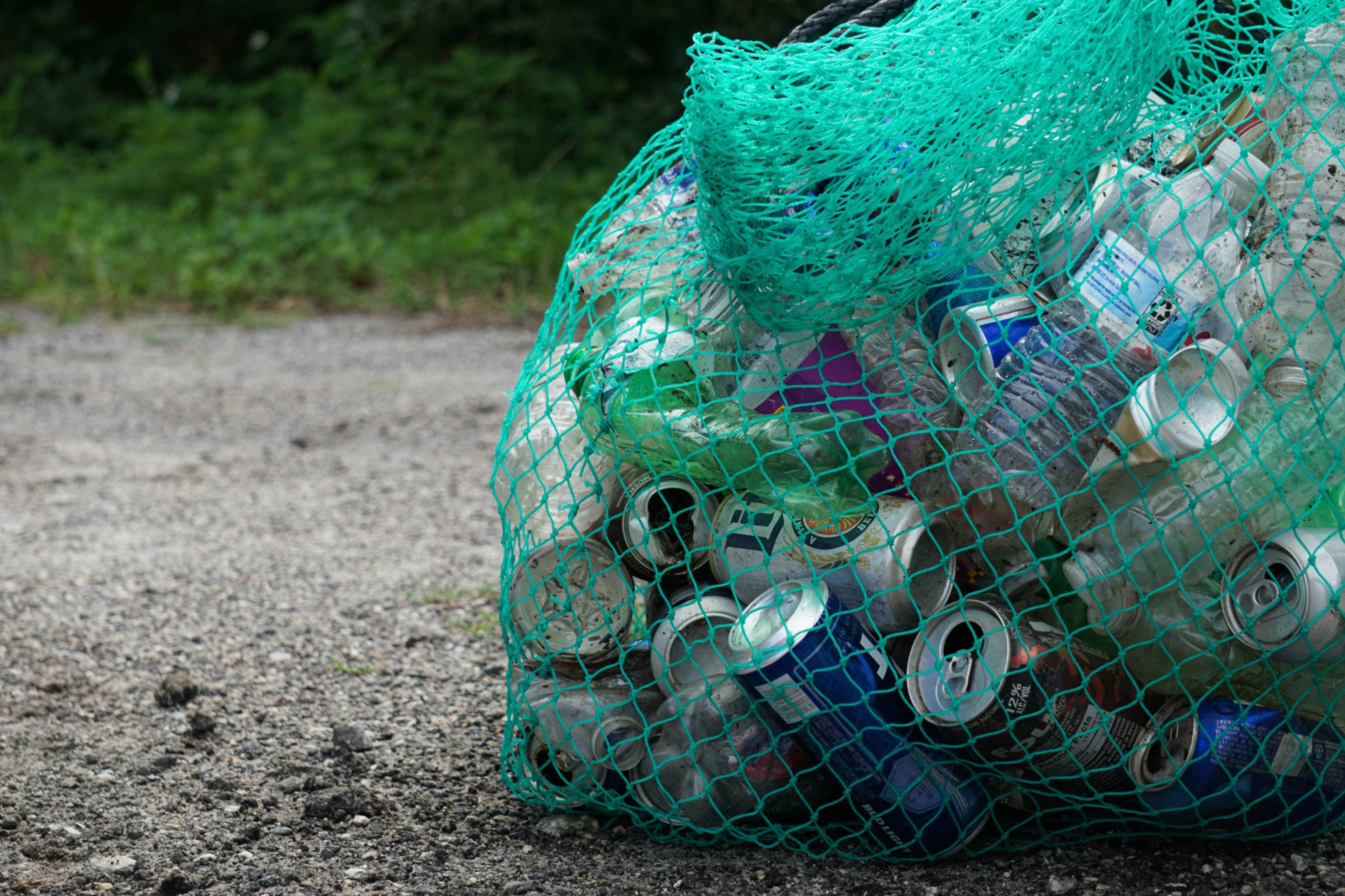
The recycling narrative in the U.S. is a prime example of how appearance can diverge from reality. While curbside recycling bins are commonplace, the effectiveness of these programs varies dramatically depending on local regulations, availability of processing facilities, and public awareness. Contamination of recycling streams is a persistent issue, with up to 25 percent of materials collected in some cities being unrecyclable due to improper sorting⁶. Without standardization and investment in processing infrastructure, much of the effort becomes performative.
Conversely, countries like South Korea and Japan have implemented rigorous waste separation rules, advanced tracking systems, and transparent reporting mechanisms. In Japan, residents often separate their waste into over ten categories, and noncompliance can result in fines. These policies are backed by continuous education and community engagement, making sustainability a shared responsibility rather than an individual choice⁷. This structured approach leads to higher recycling rates, reduced landfill use, and greater public accountability.
Renewable Energy Adoption: Structural vs. Voluntary Change
The adoption of renewable energy in the U.S. has been driven largely by market forces and state-level initiatives. Programs like net metering and renewable portfolio standards have helped increase solar and wind capacity, particularly in states like California and Texas. However, the absence of a nationwide carbon pricing mechanism or unified energy policy hampers broader adoption. Subsidies for fossil fuel industries still outpace those for renewables, creating a distorted incentive structure⁸.
In contrast, Denmark has systematically invested in wind energy since the 1990s, and today it generates over 40 percent of its electricity from wind power⁹. This success stems from coordinated national strategies, community-owned energy cooperatives, and consistent policy support. The Danish model shows that when governments take the lead in setting long-term goals and aligning infrastructure investments, renewable energy can become a backbone of the national grid rather than a niche supplement.
Consumer-Driven Environmentalism: Limitations and Pitfalls
The U.S. sustainability model frequently emphasizes individual responsibility - reusable shopping bags, meatless Mondays, electric vehicles. While these actions are not without merit, they shift the burden of change from institutions to consumers. This approach, sometimes called "green consumerism," can obscure the scale of transformation needed to meet climate targets. It also creates the illusion of progress without addressing structural inefficiencies like urban sprawl, car dependency, or outdated energy grids.
European countries tend to balance individual behavior with systemic interventions. Public transit systems are well-funded, energy efficiency standards are enforced, and food waste is legislated against. France, for example, passed a law in 2016 requiring supermarkets to donate unsold food rather than throw it away, a policy that significantly reduced food waste and supported food banks¹⁰. These types of interventions are difficult to replicate in a system where market logic dominates policy decisions. For real progress, the U.S. must reconsider the extent to which it relies on consumer behavior as a substitute for institutional action.
Rethinking Incentives and Accountability in America
One practical step for U.S. agencies at all levels is to reframe sustainability not as an optional enhancement, but as a required baseline for all planning and budgeting decisions. Public procurement policies can prioritize low-carbon materials, energy-efficient technologies, and lifecycle cost analysis. Local governments can revise zoning codes to encourage mixed-use development and reduce vehicle miles traveled. These are not glamorous initiatives, but they yield high-impact results when implemented consistently.
Additionally, sustainability metrics should be embedded into performance evaluations for public programs. Too often, environmental considerations are treated as secondary to economic or operational goals. By integrating climate resilience, energy use, and waste reduction into outcome-based planning, public agencies can create accountability mechanisms that drive long-term progress. These changes require political will and administrative coordination, but they are within reach if the focus shifts from visibility to verifiability.
Conclusion: From Lifestyle to Infrastructure
Sustainability cannot remain a lifestyle accessory or a corporate branding tool. It must become a foundational principle of how governments, businesses, and citizens operate in daily life. The American model, as it currently stands, prioritizes optics over outcomes and consumer choice over collective responsibility. By contrast, the European approach shows that when sustainability is embedded in law, infrastructure, and institutional culture, measurable progress follows.
For those working in city planning, transportation, or environmental management, the question is not whether Americans care about sustainability, but whether our systems are designed to make caring count. That shift requires us to move beyond appearances and start building the policy frameworks, governance structures, and public expectations that make true environmental stewardship possible.
Bibliography
U.S. Environmental Protection Agency. "Facts and Figures about Materials, Waste and Recycling." 2021. https://www.epa.gov/facts-and-figures-about-materials-waste-and-recycling
Eurostat. "Recycling rate of municipal waste." 2021. https://ec.europa.eu/eurostat/databrowser/view/t2020_rt120
European Commission. "A European Green Deal." 2019. https://ec.europa.eu/info/strategy/priorities-2019-2024/european-green-deal_en
International Energy Agency. "Sweden 2023: Energy Policy Review." 2023. https://www.iea.org/reports/sweden-2023
U.S. Energy Information Administration. "Renewable Energy Explained." 2022. https://www.eia.gov/energyexplained/renewable-sources/
Waste Management. "Recycling Contamination." 2020. https://www.wm.com/us/en/inside-wm/recycle-right/contamination
Ministry of the Environment, Government of Japan. "Waste Management in Japan." 2021. https://www.env.go.jp/en/recycle/smcs/attach/waste_management_in_japan.pdf
International Monetary Fund. "Still Not Getting Energy Prices Right." 2021. https://www.imf.org/en/Publications/WP/Issues/2021/09/24/Still-Not-Getting-Energy-Prices-Right-464627
Danish Energy Agency. "Energy Statistics 2021." 2022. https://ens.dk/en/our-services/statistics-data-key-figures-and-energy-maps/annual-energy-statistics
Assemblée Nationale. "Loi relative à la lutte contre le gaspillage alimentaire." 2016. https://www.assemblee-nationale.fr/dyn/15/textes/l15b0305_projet-loi
More from Sustainability
Explore related articles on similar topics






Top Paying Jobs in Sustainability
Highest paying opportunities related to this article
ABOUT THE ROLE The Department of Citywide Administrative Services (DCAS) Energy Management team serves as the hub for energy efficiency and emissions reduction throughout NYC government operations. The Executive Director will lead strategy, budgeting, procurement, asset management, innovation piloting, and operations oversight to achieve the City's clean energy goals, including significantly increasing the installation of battery energy storage systems (BESS) and solar energy projects at City buildings. KEY RESPONSIBILITIES - Strategy Development: Develop the strategy and execution plan to achieve the City's clean energy goals, including a plan to increase BESS installation at City government buildings. - Budgeting Leadership: Oversee expense budget projections, planning, strategy, and reporting regarding solar energy and demonstration projects. - Procurement Expertise: Lead the development of a strategic procurement roadmap, establish contracting resources, set vendor selection direction, and lead vendor proposal evaluations. - Asset Management and Forward Planning: Enhance criteria for asset management programs to maintain existing and new City-owned solar and energy storage systems, and guide the integration of third-party owned systems. - Innovation Piloting and Adoption: Spearhead programming for energy technology demonstrations in City buildings. - Operations Oversight: Lead the team to accomplish projects and goals. Provide supervisory technical, budgetary, and procedural standards, including assessing project feasibility, reviewing design documents, managing construction, and resolving project management issues. MINIMUM QUALIFICATIONS Candidates must meet one of the following: 1. A master's degree from an accredited college or university in a related field (e.g., architecture, building science, climate science, engineering, environmental studies, public policy, sustainability, etc.) or a juris doctorate with a concentration in environmental law, and two (2) years of satisfactory, full-time experience in energy, environmental, or sustainability-related data analysis, program management, strategic planning, or a related field, at least one (1) year of which must have been in an administrative, managerial, executive, consultative, or supervisory capacity; or 2. A baccalaureate degree from an accredited college or university and four (4) years of satisfactory, full-time experience as described in option 1, at least one (1) year of which must have been in an administrative, managerial, executive, consultative, or supervisory capacity; or 3. Education and/or experience equivalent to option 1 or 2. However, all candidates must have at least one (1) year of experience in an administrative, managerial, executive, consultative, or supervisory capacity as described in option 1. SPECIAL REQUIREMENTS - Preferred Skills: Minimum 6 years of solar or related energy experience (project origination, development, program management); accomplished communicator and relationship builder; knowledge of the NYC budget cycle; experience with government procurement and contracting; experience with Salesforce, solar design software, and data visualization tools (e.g., Power BI); NABCEP or similar clean/renewable energy certification (OSHA certification preferred); experience managing and coaching a team; public sector experience. - Residency Requirement: New York City residency is generally required within 90 days of appointment. City employees with 2 continuous years of service may be eligible to reside in specific surrounding counties (Nassau, Suffolk, Putnam, Westchester, Rockland, or Orange). SELECTION PROCESS No Exam Required. Title classification is Non-Competitive-5. HOW TO APPLY Apply at www.nyc.gov/jobs or www.nyc.gov/ess (for current NYC employees) using Job ID 786745. The posting is open until 10/02/2026. No phone calls, faxes, or personal inquiries are permitted. Only candidates under consideration will be contacted. EMPLOYMENT DETAILS - Work Location: 1 Centre St., N.Y. (NYC-ALL BOROS) - Employment Type: Full-Time - Number of Positions: 1 - Experience Level: Manager - Job Level: M1 - Category: Green Jobs - Benefits: Eligible for federal Public Service Loan Forgiveness and state repayment assistance programs. - Equal Opportunity: The City of New York is an inclusive equal opportunity employer committed to recruiting and retaining a diverse workforce and providing a work environment free from discrimination and harassment based upon any legally protected status or characteristic.
ABOUT THE ROLE Prince William County is hiring its first-ever Sustainability Communications and Engagement Manager within the Office of Sustainability. This role serves as a bridge between technical expertise and public understanding. The manager will develop strategic communications, educational campaigns, and engagement initiatives to increase awareness of environmental sustainability programs, encourage community participation, and help stakeholders understand how these initiatives improve quality of life. The position supports the implementation of the County’s Community Energy and Sustainability Master Plan to meet Climate Mitigation and Resiliency goals. KEY RESPONSIBILITIES - Develop public communications and outreach materials focused on renewable energy, energy conservation, and natural resource protection - Create campaigns highlighting available incentives and programs for residents and businesses - Support the development of progress reports, including the county’s Environmental Sustainability Annual Report - Translate complex technical, scientific, or policy-related information into clear, accessible messaging for diverse audiences - Create engaging content across multiple channels, including websites, newsletters, social media, presentations, and reports - Plan and implement public engagement campaigns to build awareness and strengthen community partnerships - Write and edit communications products such as annual reports, media releases, feature stories, and educational materials - Collaborate with communications professionals, technical staff, and organizational leadership - Build relationships with community organizations, businesses, and industry partners to advance strategic initiatives - Track legislative or policy developments and prepare briefing materials for leadership - Manage multiple communications projects simultaneously while meeting deadlines in a fast-paced environment - Use analytics and audience feedback to evaluate and improve future outreach strategies - Pursue and secure funds or resources to support the implementation of strategic plans MINIMUM QUALIFICATIONS - High School Diploma or GED - 7 years of professional experience developing, facilitating, and delivering strategic engagement plans and communication programs that support programmatic initiatives, including developing reports, office publications, and outreach materials for internal and public audiences - Preferred: Bachelor’s Degree from an accredited four-year college or university in Communications, Marketing, Environmental Sustainability, or a related area SPECIAL REQUIREMENTS - May be required to attend meetings or events outside of standard work hours a few times a quarter SELECTION PROCESS - Applications will be reviewed based on the stated minimum and preferred qualifications, with a focus on the candidate's ability to act as a strategic communicator, translate technical information, and execute public outreach initiatives HOW TO APPLY - Submit an application through the Prince William County Government official employment portal - Prospective and current employees are encouraged to discuss potential reasonable accommodations with the employer by contacting Human Resources EMPLOYMENT DETAILS - Location: Prince William County, VA - Job Type: Full-Time - Department: Executive Management (Office of Sustainability) - Job Number: 202610773 - Grade: C51 - Opening Date: 08/25/2026 - Closing Date: 9/21/2026 at 11:59 PM Eastern Time - Work Schedule: Monday-Friday, 9:00 AM to 5:00 PM, 37.5 hours weekly; telework allowed two days a week, dependent upon business needs - Benefits: Virginia Retirement System (VRS), 401a and 457 retirement savings plans, paid annual, personal, and sick leave, paid holidays, optional group medical and dental health plans, optional group life insurance, Employee Assistance Program (EAP), career development opportunities, and eligibility for Public Service Loan Forgiveness (PSLF) - Employer: Prince William County Government
ABOUT THE ROLE Join the Portland Clean Energy Community Benefits Fund (PCEF) team at the Bureau of Planning and Sustainability (BPS). This pivotal role leads clean energy work in larger buildings with a particular focus on resilience. The position supervises a small team, manages multiple contracts with external program delivery partners, and oversees PCEF investments in commercial sites, community centers, schools, and other large buildings. Investments focus on energy efficiency improvements, rooftop solar, community solar, and solar plus storage installations for resilience. KEY RESPONSIBILITIES - Direct the development and implementation of programs, including designing structures, tracking budgets and deliverables, and ensuring equitable access with climate justice considerations - Manage a portfolio of grants, ensuring compliance, regular invoicing and reporting, and progress toward grant milestones - Supervise, guide, and evaluate the performance of staff members, fostering an inclusive and equitable work environment - Apply relevant regulations, policies, and guidelines through a climate justice lens to support successful program implementation - Collaborate with PCEF team members, city bureaus, contractors, grantees, and stakeholders to improve outcomes and share lessons learned - Represent PCEF at external forums, deliver presentations, and develop case-studies and reports to share program successes MINIMUM QUALIFICATIONS - Experience collaborating with communities of color and people traditionally underrepresented in local decision-making - Experience managing direct reports, providing staff guidance, supervision, and holding the team accountable for deadlines and deliverables - Experience managing grants or programs focused on energy in large buildings, with knowledge of clean energy technologies, climate justice principles, and best practices - Experience applying relevant code, regulation, permitting requirements, administrative rules, and policies to support program success - Experience maintaining effective working relationships and communicating program needs with internal and external stakeholders SPECIAL REQUIREMENTS - Remote work must be performed within Oregon or Washington - Final candidates may be required to undergo a background or driving record check - Position may be eligible for Language Pay Differential for qualifying employees SELECTION PROCESS - Application Review (Week of September 21st): Review of application materials to ensure minimum qualifications are met - Notice and Feedback (Week of September 28th): Email notification of evaluation results, with a 14-day window to request a review if disagreeing - Selection Process (Early-to-Mid October): Hiring bureau reviews qualified applications, conducts interviews, and checks references - Conditional Job Offer (Late October): Final candidates may undergo background or driving record checks before an official offer HOW TO APPLY - Submit a resume and responses to supplemental questions via the City of Portland online portal by the closing date - Do not include age, date of birth, or school attendance dates unless specifically requested to meet job requirements or follow laws - Optional: Submit Veterans Preference documents (DD214-Member 4 and/or VA Benefit Letter) if applicable EMPLOYMENT DETAILS - Employer: City of Portland - Location: Vanport Building, 1810 SW 5th Ave., Portland, OR - Job Type: Regular, Full Time - Job Number: 2026-00841 - Bureau: Bureau of Planning and Sustainability - Opening Date: 09/07/2026 - Closing Date: 09/21/2026 11:59 PM Pacific - Work Schedule: Monday through Friday, 8am to 5pm (alternate schedule may be available)
ABOUT THE ROLE The City of Baltimore Department of Planning is seeking a Greening Coordinator in the Community Planning and Revitalization Division. This role moves neighborhood greening projects from planning through implementation. As a City Planner II, the incumbent performs complex, innovative, and creative planning projects independently with minimal supervision, and may serve as a project leader. KEY RESPONSIBILITIES - Work with residents, community organizations, City agencies, grantees, and contractors - Coordinate vacant-lot greening and site priorities - Administer related grants and contracts - Help improve policies and procedures that support equitable, sustained greening - Prepare detailed urban plans, designs, and complex reports - Analyze facts and exercise sound aesthetic judgment regarding environmental and sustainability practices MINIMUM QUALIFICATIONS - Education: Master's degree from an accredited college or university in urban or regional planning, sustainability, environmental studies, historic preservation, architecture, architectural history, nutrition, public administration, public health, or a closely related field such as transportation - Experience: Two years of experience in urban, regional, transportation, environmental, sustainability, food access, emergency, or historic designation planning work - Equivalency: An equivalent combination of education and experience is acceptable SPECIAL REQUIREMENTS - May require a Maryland Class C driver's license - Must authorize the release of criminal conviction information for a background check - Must complete a mandatory six-month probation period - Must complete a Financial Disclosure pursuant to Sections 7-7, 7-8, and 7-9 of the City Ethics Law - Foreign education credentials must be evaluated for US equivalency via a NACES agency (www.naces.org) SELECTION PROCESS 1. Candidates indicating minimum qualifications on their application will be placed on the eligible list without further examination 2. Training and experience will be evaluated for appropriateness and quantity based on the application 3. Applicants may be required to complete supplemental questions to examine specific Knowledge, Skills, and Abilities 4. Qualified candidates will not be listed in rank order and will be considered for vacancies as they arise for at least six months 5. Complete and accurate application information is essential; vagueness or omission may prevent consideration HOW TO APPLY - Submit your application no later than 12:00 AM on the closing date: September 24, 2026 - Job Requisition ID: R0019337 - For questions, contact Recruitment Talent and Acquisition Specialist II, Ayomide Arodoye, at Ayomide.Arodoye@baltimorecity.gov - Applicants requiring accommodation should contact Human Resources directly and must not attach the request to the application EMPLOYMENT DETAILS - Location: Charles L. Benton, Jr. Building, Baltimore - Time Type: Full time - Schedule: Conventional work week that may include evening and weekend hours - Environment: Office setting with normal working conditions and minimal physical exertion - Benefits: Medical, prescription drug, dental, vision, optional life, AD&D, and FSA plans, plus wellness programs, support groups, and workshops - The Baltimore City Government is an Equal Employment Opportunity Employer committed to diversity, equity, and inclusion
ABOUT THE ROLE The Department of Planning is seeking a Greening Coordinator in the Community Planning and Revitalization Division to move neighborhood greening projects from planning through implementation. This position performs planning projects of a complex, innovative, and creative nature independently with minimal supervision. It involves collaborating with residents, community organizations, City agencies, grantees, and contractors to coordinate vacant-lot greening, administer grants, and improve policies supporting equitable, sustained greening. KEY RESPONSIBILITIES - Move neighborhood greening projects from planning through implementation. - Work with residents, community organizations, City agencies, grantees, and contractors. - Coordinate vacant-lot greening and site priorities. - Administer related grants and contracts, including preparing and completing grant applications. - Help improve policies and procedures that support equitable, sustained greening. - Prepare detailed urban plans, designs, and complex reports. - Establish and work effectively with community and business groups, property owners, cultural institutions, and government agencies. - Apply knowledge of environmental, sustainability, and green building practices to planning work. MINIMUM QUALIFICATIONS - Education: Master's degree from an accredited college or university in urban or regional planning, sustainability, environmental studies, historic preservation, architecture, architectural history, nutrition, public administration, public health, or a closely related field such as transportation. - Experience: Two years of experience in performing urban, regional, transportation, environmental, sustainability, food access, emergency, or historic designation planning work. - Equivalency: An equivalent combination of education and experience will be considered. SPECIAL REQUIREMENTS - Some positions in this class may require a Maryland Class C driver's license. - Education credentials obtained outside the US must be evaluated for US equivalency by an approved agency (e.g., www.naces.org). - Must authorize the release of criminal conviction information for a background check if under final consideration. SELECTION PROCESS - Candidates indicating minimum qualifications on their applications will be placed on the eligible list without further examination. - Training and experience will be evaluated for appropriateness and quantity based on the application. - Applicants may be required to complete supplemental questions to examine specific Knowledge, Skills, and Abilities. - Qualified candidates will be placed on the employment certified eligible list for at least six months (not in rank order). - All selected persons, including current City employees, must complete a mandatory six-month probation period. HOW TO APPLY - Submit your application no later than 12:00 AM on the closing date: September 24, 2026. - Provide complete and accurate information on your application; vagueness or omission may prevent consideration. - Job Requisition ID: R0019337 - For questions, contact Recruiter Ayomide Arodoye, Recruitment Talent & Acquisition Specialist II, via email at Ayomide.Arodoye@baltimorecity.gov. EMPLOYMENT DETAILS - Location: Charles L. Benton, Jr. Building - Time Type: Full time - Benefits: Medical, prescription drug, dental, vision, optional life, AD&D, and FSA plans. The city also offers wellness programs, support groups, and workshops. - Financial Disclosure: Required to complete a Financial Disclosure within 30 days of hire pursuant to Sections 7-7, 7-8, and 7-9 of the City Ethics Law. - Equal Opportunity: Baltimore City Government is an Equal Employment Opportunity Employer committed to diversity, equity, and inclusion. Applicants requiring accommodation during the hiring process should contact Human Resources directly. Do not attach accommodation requests to the application.
ABOUT THE ROLE The Law Department's Operations and Sustainability section works with various City of Cleveland departments on municipal law issues, including compliance, contracts, legislation, and providing legal opinions. This role provides representation for the Departments of Public Utilities, Public Works, Health, and the Mayor's Office of Sustainability. The ideal candidate will have a strong work ethic, a passion for public service, and the ability to collaborate effectively with staff, attorneys, and department representatives in a fast-paced environment. KEY RESPONSIBILITIES - Research municipal and transactional law issues. - Prepare legal opinions and memoranda. - Draft and review legislation. - Review, draft, and negotiate contracts, MOUs, terms and conditions, and other complex transactional documents. - Provide legal counsel to various departments regarding contracting, procurement, agreements, and other transactional matters. - Identify and address legal and contractual risks. - Advise on compliance with applicable laws, ordinances, regulations, and policies. - Collaborate with departments and stakeholders to facilitate and complete municipal initiatives. - Perform other duties as assigned. MINIMUM QUALIFICATIONS - Juris Doctor (J.D.) degree. - Licensed to practice law in the State of Ohio and in good standing with the Ohio Supreme Court. - Minimum of four (4) years of transactional work experience in a law firm or with another public sector entity focused on real estate and/or utility work. - Strong drafting, research, and writing skills. - Excellent verbal skills with the ability to effectively communicate with clients, management, and the general public. SPECIAL REQUIREMENTS - Ability to work well as a team member in a fast-paced environment. - Ability to meet set deadlines consistently. - Commitment to the City's guiding principles: Placing Clevelanders at the Center, Empowering Employees to Do Purposeful Work, Defining Clear and Pragmatic Objectives, Leading with Trust and Transparency, Striving for Equity in All We Do, and Embracing Change. SELECTION PROCESS - Standard application review and interview process based on the evaluation of minimum qualifications, legal experience, and alignment with the City's guiding principles. HOW TO APPLY - Submit your application through the official City of Cleveland Human Resources employment portal prior to the closing date. - For more information on city benefits and total rewards, visit the City of Cleveland Human Resources website. EMPLOYMENT DETAILS - Employer: City of Cleveland - Department: Public Utilities - Water - Division: Water Management - Job Type: Full-time - Job Number: 10065-HR - Location: 601 Lakeside Avenue, Cleveland, Ohio, 44114 - Opening Date: 09/09/2026 - Closing Date: 10/9/2026 at 11:59 PM Eastern - Benefits: Comprehensive benefits package available through the City of Cleveland Total Rewards program.
ABOUT THE ROLE The New York City Department of Homeless Services (DHS) is recruiting for an Administrative Supervisor of Building Maintenance M-I to function as an Energy Manager. This role oversees emissions reduction and energy management efforts across the DHS portfolio of facilities. The Energy Manager reports to the Assistant Commissioner of Environmental Design and Construction and works closely with the City's Division of Energy Management (DEM) to ensure DHS contributes to the City's emissions reduction mandates. KEY RESPONSIBILITIES - Lead DHS's overall emissions reductions and energy management work; assess agency facilities, identify energy-saving opportunities, and ensure compliance with the City's 40x25 and 50x30 emissions reduction mandates and LL97 Implementation Action Plan targets. - Manage DHS's utility accounts and utility energy budget; work with DEM to establish the annual forecast and review monthly energy billing to identify usage or billing irregularities. - Promote energy-saving behavioral change and training participation; encourage sharing best practices and direct staff to relevant training opportunities. - Support participation in DEM's Load Management (LM), Demand Response (DR), and Real-Time Metering (RTM) Programs; partner with facility operators and support RTM and sub-metering installations. - Identify and implement energy efficiency and clean energy projects; review energy audits, perform technical calculations for energy/cost savings and emissions reductions, develop funding applications, oversee project delivery, commissioning, and measurement and verification (M&V). - Contribute to overall City emissions reduction and energy management efforts as a subject matter expert. MINIMUM QUALIFICATIONS 1. Eight years of full-time experience in construction, repair, alteration and/or rehabilitation of multiple dwellings, commercial, industrial or public buildings in the capacity of general contractor, superintendent of construction, procurement specialist, evaluator responsible for cost estimation, or as a field supervisor or as an inspector, at least 18 months of which must have been in a supervisory or administrative capacity involving responsibility for a large number of buildings; or 2. Education and/or experience which is equivalent to 1 above. Education in an accredited college leading toward a baccalaureate degree in engineering, architecture, engineering technology or a closely related field will be accepted on a year-for-year basis up to a maximum of four years. However, all candidates must possess at least 18 months of the specialized supervisory or administrative experience described in 1 above. SPECIAL REQUIREMENTS - Preferred Skills: Ability to handle multiple competing priorities and strong strategic problem-solving skills. - 55-a Program: This position is open to qualified persons with a disability. Applicants must indicate this at the top of their resume and cover letter. - Residency Requirement: New York City residency is not required for this position. SELECTION PROCESS An exam may be required. If hired provisionally, candidates must take and pass the civil service exam when it becomes available to be eligible for continued employment. The title classification is Competitive-1. HOW TO APPLY Apply through the official City of New York employment portal using Job ID 796419. Applications must be submitted by the posting deadline of 10/30/2026. Applicants seeking consideration under the 55-a Program must clearly indicate this at the top of their resume and cover letter. EMPLOYMENT DETAILS - Department: Dept. of Homeless Services (Facilities, Maint And Repair) - Location: Brooklyn (101-07 Farragut Road) - Employment Type: Full-Time - Hours/Schedule: Monday - Friday 8am - 4pm - Experience Level: Experienced (Non-Manager) - Job Level: M1 - Number of Positions: 1 - Posted Date: 08/31/2026 - Posting Deadline: 10/30/2026 - Benefits: Eligible for Public Service Loan Forgiveness and state repayment assistance programs. The City of New York is an inclusive equal opportunity employer.
SUMMARY This position supervises plant operations and plant personnel ensuring distribution of safe drinking water in compliance with state and federal regulations. Work involves ensuring proper staffing levels on each shift; working with maintenance on equipment issues; developing standard operating procedures in conjunction with supervisor and other plant supervisors; and ensuring compliance with permit requirements. This position also included coordinating pumping, storage, and zone management through use of the SCADA system into one zone; assisting with the training of operators; and ensuring an adequate supply of chemicals and other water treatment supplies. Salary: $87,027 - $96,696 - Commensurate with experience MAJOR DUTIES AND RESPONSIBILITIES: Supervises plant operations. Supervises and coordinates work activities of assigned staff; assigns work, monitors status of work, and inspects completed work; participates and provides input in staffing decisions relative to hiring, firing, discipline, and promotional opportunities; evaluates performance; mentors staff; and provides assistance with career development. Makes sure staffing levels on each shift are adequate taking into consideration leaves, vacations, and other absences; ensures functionality of plant by maintaining front line and back up equipment and chemical feed systems to a ready state. Oversees plant maintenance; reviews work order system to maintain plant preventative maintenance program. Develops standard operating procedures (SOPs). Ensures compliance with federal and state drinking water requirements through oversight of plant operations and through SCADA and Lab Data; ensures compliance with permit requirements; and ensures adequate level of supplies. Coordinates pumping, storage, and zone management into one zone. Assists with the training of operators. Submits weekly fluoride reports to the state; submits monthly operations reports to the state; and submits other reports as requested/required. Participates in construction and plant improvement planning meetings; attends mandatory meetings. Performs administrative functions, such as: handling payroll; writing requisitions to order equipment/parts; scheduling contractors for repair work; handling conference room requests; coordinating tour requests; and reviewing WIMS lab data for accuracy. Administers the plant’s Risk Management Plan, Storm Water Plan, and Spill Prevention Plan. Orders plant bulk chemicals; creates purchase orders for supplies and equipment Performs safety inspections, maintains safety records, and participates in third party safety inspections Attends supervisor training and CEU courses. Performs other related job duties as assigned. KNOWLEDGE, SKILLS & ABILITIES: Knowledge of water treatment. Knowledge of federal, state and local drinking water regulations. Knowledge of computers and related work-related software. Knowledge of lab testing for water samples. Skill in communicating, both verbally and in writing. Ability to train others. Ability to supervise employees. PREFERRED QUALIFICATION: Prefers associate degree or diploma from a technical, business, or vocational accredited school. One (1) year of supervisory experience. MINIMUM QUALIFICATIONS: High school diploma or GED from an accredited school Five (5) years of related work experience including Licenses, Certifications or Registrations: Requires certification as a Grade A Water Plant Operator. Requires Physical-Chemical 1 certification. Requires a Grade C Distribution certification. PHYSICAL DEMANDS: The work is medium work and requires applying 30 pounds of force frequently and exerting up to 50 pounds of force occasionally to move objects. Additionally, the following physical abilities are required: climbing, perceiving sounds at normal speaking levels, distinguishing among sounds, kneeling, lifting, mental acuity, reaching, repetitive motion, speaking, standing, expressing ideas by spoken word, shouting above noises, visual acuity in data/color/observations/equipment/inspections, and walking. WORK ENVIRONMENT: Work is performed part of the time working in an environment where errors on this job can lead to significant physical or mental consequences for self or others. Requires being on-call as scheduled for operational and personal issues that arise.