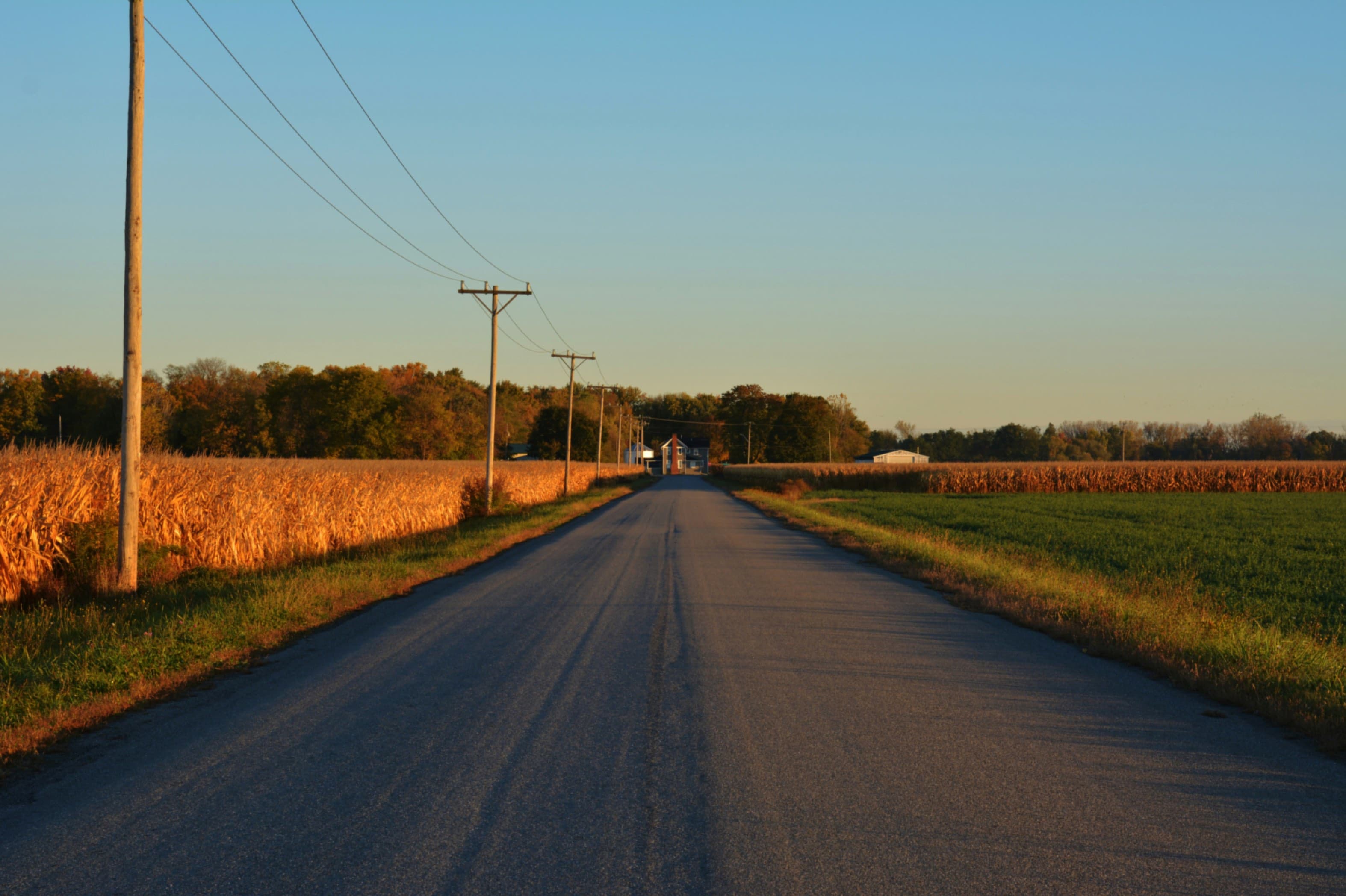
Why Waukomis, Oklahoma Might Be the Smartest Town You’ve Never Heard Of
Waukomis may be a small town in Garfield County, Oklahoma, just south of Enid, but it is quietly doing something big: using infrastructure as a tool to shape its future rather than just react to problems as they arise. From safer streets and new bike routes to smarter drainage systems and upgraded utilities, local leaders are weaving together transportation, water, and maintenance planning into one coordinated strategy that supports both everyday life and long-term growth. This isn’t just about fixing potholes or replacing old pipes; it’s about creating a healthier, more connected, and more resilient community that can handle heavier rains, new development, and shifting regional traffic patterns without losing its small-town character. As you read on, you’ll see how Waukomis is leveraging partnerships, grants, and data-driven planning to punch above its weight—and why its approach offers a practical blueprint for other rural towns facing similar pressures.
Enhancing Multi-Modal Connectivity
In addition to road and rail upgrades, Waukomis, located in Garfield County in north-central Oklahoma near the regional hub city of Enid, is evaluating opportunities to enhance multi-modal connectivity within the region. With the town’s proximity to Enid and its integration into larger transportation networks, the inclusion of pedestrian-friendly infrastructure and expanded cycling paths is being studied to promote alternative commuting options. These enhancements not only cater to residents seeking healthier and more sustainable travel modes but also align with state-level goals for reducing vehicular emissions and traffic congestion in rural-urban interface zones
Establishing safe pedestrian crossings near schools, parks, and residential clusters is a core component of the town’s transportation planning. The Oklahoma Department of Transportation (ODOT) has provided technical assistance to small towns like Waukomis to identify high-priority zones for sidewalk expansion and signalized crosswalks2. Leveraging grant programs such as the Transportation Alternatives Program (TAP), Waukomis is pursuing funding to implement these non-motorized network improvements while maintaining fiscal responsibility.
Stormwater and Drainage Infrastructure Resilience
Waukomis’s focus on drainage system upgrades reflects a broader trend among smaller communities to mitigate localized flooding and improve stormwater management capacity. Aging culverts and under-capacity channels have historically led to road closures and property damage during high-precipitation events. To address this, the town has commissioned hydrological assessments to map vulnerable areas and prioritize phased improvements based on risk levels and community impact3.
Coordination with Garfield County’s emergency management and public works departments has proven essential in synchronizing drainage upgrades with broader regional flood control strategies. This has included the integration of bioswales and retention basins into new developments, reducing direct runoff into creeks and roadways4. These green infrastructure elements not only enhance stormwater absorption capacity but also reduce downstream erosion and sedimentation, contributing to longer-term cost savings in road maintenance.
Leveraging Intergovernmental Partnerships
Effective infrastructure development in Waukomis has relied heavily on partnerships with county, state, and federal entities. For instance, the town has collaborated with the Garfield County Board of Commissioners on joint road resurfacing projects, pooling equipment and labor resources to minimize costs. These collaborative agreements are formalized through interlocal cooperation contracts, which have enabled Waukomis to access technical expertise and share maintenance responsibilities on boundary roads5.
At the state level, ODOT continues to be a key partner in addressing the structural integrity of rail crossings and ensuring compliance with safety standards mandated by the Federal Railroad Administration. Waukomis has also participated in the Oklahoma Freight Advisory Committee to better understand future freight movement projections and plan accordingly for any increased rail or trucking activity that may affect the town's infrastructure6. These relationships provide critical channels for funding, technical support, and policy alignment.
Utility Infrastructure and Capacity Planning
In parallel with transportation initiatives, Waukomis is undertaking assessments of its utility infrastructure to ensure adequate capacity as population and industry demands evolve. Water and sewer systems, originally designed for a lower density of use, are being evaluated for pressure flow, line sizing, and treatment efficiency. The Oklahoma Department of Environmental Quality (ODEQ) has provided compliance audits and guidance to help the town stay within regulatory thresholds for discharge and water quality7.
Strategic planning has included setting impact fees for new developments to fund proportional improvements to utility networks. This approach ensures that growth does not outpace infrastructure capacity and places the financial responsibility on developers rather than long-term residents. Waukomis is also exploring the feasibility of integrating smart utility metering, which would improve leak detection and allow for more accurate billing based on real-time consumption patterns8.
Maintaining Long-Term Infrastructure Sustainability
To ensure durability and cost-efficiency, Waukomis is incorporating asset management principles into its infrastructure planning. This involves tracking the age, condition, and maintenance history of critical assets such as roads, culverts, water mains, and public buildings. The town has adopted a five-year capital improvement plan (CIP) that categorizes projects based on urgency, funding availability, and community benefit9.
Preventive maintenance remains a key strategy to extend the lifespan of infrastructure components. For example, regular crack sealing on roadways, scheduled sewer line flushing, and culvert debris removal are low-cost practices that prevent more expensive repairs or replacements. These efforts are supported by state training programs such as those offered by the Oklahoma Municipal League, which provide public works staff with best practices for infrastructure maintenance and lifecycle management10.
Conclusion
Waukomis’s infrastructure strategy reflects a comprehensive approach that balances growth with resilience, cost-efficiency, and quality of life. Through intergovernmental coordination, phased capital planning, and attention to both traditional and green infrastructure, the town is positioning itself to support future demands while preserving its character as a safe and accessible satellite community. By focusing not only on current needs but also on long-term asset sustainability, Waukomis provides a model for similarly sized towns navigating the pressures of regional economic integration and population change.
Bibliography
Oklahoma Department of Transportation. “Bicycle and Pedestrian Plan 2021.” Accessed April 2, 2024. https://oklahoma.gov/odot/programs-and-projects/planning/bike-and-pedestrian.html.
Oklahoma Department of Transportation. “Transportation Alternatives Program (TAP).” Accessed March 15, 2024. https://oklahoma.gov/odot/local-government/tap.html.
Oklahoma Water Resources Board. “Floodplain Management and Mapping.” Accessed April 5, 2024. https://www.owrb.ok.gov/hazard/floodplain.php.
Environmental Protection Agency. “Green Infrastructure in Small Communities.” Accessed March 25, 2024. https://www.epa.gov/green-infrastructure/green-infrastructure-small-communities.
Garfield County Board of Commissioners. “Meeting Minutes and Cooperative Agreements, 2023.” Accessed April 3, 2024. https://www.qpublic.net/ok/garfield/commissioners.html.
Oklahoma Freight Advisory Committee. “Freight Plan 2022.” Accessed March 30, 2024. https://oklahoma.gov/odot/planning/freight.html.
Oklahoma Department of Environmental Quality. “Water Quality Division Reports.” Accessed April 6, 2024. https://www.deq.ok.gov/water-quality-division/.
American Water Works Association. “Smart Water Metering: Utility Case Studies.” January 2023. https://www.awwa.org/Resources-Tools/Resource-Topics/Metering.
Town of Waukomis. “Capital Improvement Plan FY2024-FY2029.” Accessed April 4, 2024. https://www.waukomis.ok.gov/cip.
Oklahoma Municipal League. “Public Works Training Series.” Accessed March 28, 2024. https://www.oml.org/public-works-training.
More from Infrastructure
Explore related articles on similar topics