Plugged In and Popping Up: The Hidden Infrastructure Behind Collaborative Placemaking
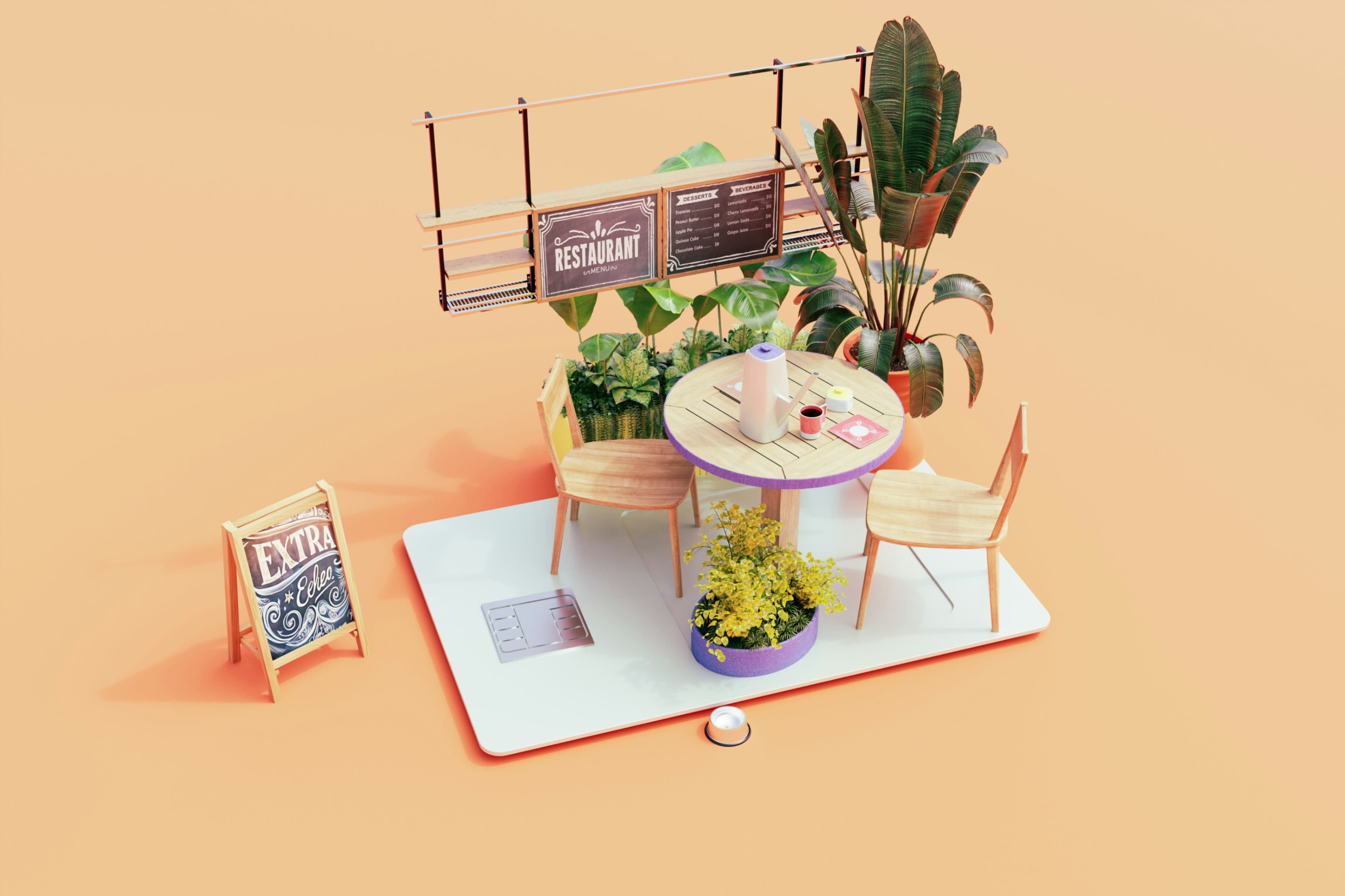
What if the most powerful tools for transforming a city were not new buildings or billion‑dollar bonds, but extension cords, detour signs, and a well-timed street closure? Across the world, planners, artists, and neighbors are quietly hacking existing infrastructure and permitting systems to turn “just another block” into parklets, pop-up festivals, and prototype bike lanes that let communities test the future before it is poured in concrete. By treating temporary projects as live experiments- backed by smart funding hybrids, simple evaluation, and a willingness to take risks- cities are learning how to turn quick wins into lasting policy change, reshaping not only their streets but also how public institutions collaborate, share power, and build trust
Temporary or pop-up spaces rely on infrastructure that is often invisible but essential for success- water access, electricity, street closures, ADA-compliant surfaces, and traffic management plans all play a critical role in enabling these activations. When our team transformed an underutilized street segment into a weekend-long festival street, we partnered early with the city’s Department of Public Works to map out utility access points, confirm roadway load capacities, and coordinate signage and barricade deployment. This proactive coordination made it possible for artists to install large-scale sculptures and for food vendors to operate safely, while maintaining access for emergency services.
One of the most effective strategies we employed was leveraging existing infrastructure planning tools, such as the city’s right-of-way permitting system and GIS utility maps, to anticipate logistical conflicts. By aligning placemaking efforts with scheduled maintenance or capital projects, we were able to reduce redundant work and stretch limited funding. For example, we piggybacked on a curb ramp upgrade project to construct a semi-permanent parklet platform, reducing both cost and permitting time. As documented in a study by the National Association of City Transportation Officials (NACTO), integrating short-term placemaking into long-term infrastructure planning can result in more adaptable and resilient public spaces1.
Navigating Permitting and Interdepartmental Coordination
One of the early challenges we faced in creating temporary public spaces was navigating the complex permitting landscape. Temporary installations often fall between existing categories- neither permanent infrastructure nor special events. This ambiguity can create friction between departments with different mandates, such as zoning enforcement, emergency management, and public works. Early and consistent communication helped us overcome these silos. We established a recurring interdepartmental working group that included planners, engineers, fire marshals, and business licensing officials to review each project collaboratively.
By treating each temporary placemaking project as a pilot opportunity for process improvement, we were able to document lessons learned and propose small changes to existing permitting pathways. For example, after multiple delays due to unclear insurance requirements, we worked with the city’s risk management team to develop a template for pop-up event coverage that could be adopted by community-based organizations. This enabled grassroots partners—who often lack in-house legal expertise- to participate more confidently in future initiatives. As outlined in the American Planning Association’s guidance on placemaking, creating predictable, transparent permitting processes is critical for sustaining community engagement in iterative placemaking efforts2.
Funding Strategies and Resource Leveraging
Funding remains one of the most persistent barriers to implementing temporary infrastructure projects. Traditional capital improvement budgets are not designed to support short-term interventions, and grant funding often requires lengthy application processes that don’t align with community-driven timelines. In our experience, successful projects often combined micro-grants from local arts councils, in-kind support from public agencies, and sponsorships from nearby businesses. For example, a neighborhood association secured a $5,000 grant from a local foundation while the transportation department contributed staff time and traffic barriers, resulting in a street mural project that cost a fraction of a traditional streetscape redesign.
In cases where direct funding was unavailable, we applied a resource-matching approach. Artists were invited to submit low-cost designs using recycled or salvaged materials, and local businesses offered storage space and volunteer time. By reducing the financial burden, we increased the project’s feasibility and community ownership. According to research from the Project for Public Spaces, these hybrid funding models not only improve cost efficiency but also generate stronger stakeholder buy-in, which is essential for long-term sustainability3.
Evaluating Impact and Building Institutional Confidence
Evaluation is often the least prioritized but most impactful phase of a temporary infrastructure project. We began incorporating simple data collection methods- such as pedestrian counts, user surveys, and observational audits- to assess how spaces were used and perceived. These metrics provided tangible evidence that helped us advocate for more flexible infrastructure policies. For example, after demonstrating a 40 percent increase in foot traffic during a weekend parklet installation, we were able to secure support for permanent seating and sidewalk improvements from the city council.
We also documented qualitative outcomes, such as increased collaboration among local artists and merchants, and changes in public perception of formerly neglected spaces. These narratives became powerful tools in presentations to both internal decision-makers and external funders. The Urban Land Institute has emphasized the value of storytelling in placemaking, noting that data alone rarely shifts policy without a compelling human context4. By combining metrics with stories, we built trust not just within our team but across departments and with the community at large.
Trust, Risk-Taking, and the Evolution of Professional Practice
One of the most transformative aspects of working on temporary infrastructure projects has been learning to embrace risk and uncertainty. Traditional infrastructure planning is rooted in predictability and regulatory compliance, but placemaking requires us to move quickly, experiment, and adapt. This shift pushed us to develop new competencies—like participatory design facilitation and rapid prototyping- that are less common in conventional capital project delivery but increasingly relevant for cities facing dynamic challenges such as climate adaptation and demographic change.
Building trust- both within municipal teams and among community members- was essential to navigating this new terrain. We found that transparency about constraints, openness to feedback, and a willingness to iterate helped build credibility. When stakeholders saw us incorporating their input and making real-time adjustments, it fostered a sense of shared ownership. This aligns with findings from the Knight Foundation, which reports that civic trust is a key ingredient in successful placemaking, particularly when projects test new uses of infrastructure or reallocate public space5.
Embedding Temporary Projects into Long-Term Infrastructure Planning
Our experience has shown that temporary interventions can serve as low-risk pilots for long-term infrastructure investments. By testing configurations for bike lanes, pedestrian plazas, or curbside uses through temporary installations, we gather real-world feedback that informs permanent designs. For instance, a pilot shared-use street that initially operated on weekends was later formalized as part of a city bond measure, after evaluation showed consistent community support and improved safety metrics. This iterative approach fosters innovation while reducing the likelihood of costly missteps.
Institutionalizing this practice requires embedding flexibility into infrastructure planning documents and capital improvement programs. We began including temporary project evaluation criteria in our Transportation Master Plan and created a small fund specifically for tactical urbanism pilots. These changes helped shift the culture within our agency, making it easier for staff to propose and execute experimental projects. As cities nationwide look to make infrastructure more responsive and equitable, integrating placemaking into standard planning processes can help bridge the gap between vision and implementation6.
Bibliography
National Association of City Transportation Officials. Urban Street Design Guide. New York: Island Press, 2013.
American Planning Association. “Placemaking and the Role of the Planner.” PAS QuickNotes No. 75. Chicago: APA, 2018.
Project for Public Spaces. “Lighter, Quicker, Cheaper: A Low-Cost, High-Impact Approach.” 2020. https://www.pps.org/article/lighter-quicker-cheaper.
Urban Land Institute. Building Healthy Places Toolkit: Strategies for Enhancing Health in the Built Environment. Washington, DC: ULI, 2015.
Knight Foundation. “Building Trust: What Works for Civic Engagement in American Cities.” 2019. https://knightfoundation.org/reports/building-trust/.
City of Seattle Department of Transportation. “Tactical Urbanism Policy Framework.” 2022. https://www.seattle.gov/transportation/projects-and-programs/programs/tactical-urbanism.