What “I Want” Songs Teach Us About Building Better Communities

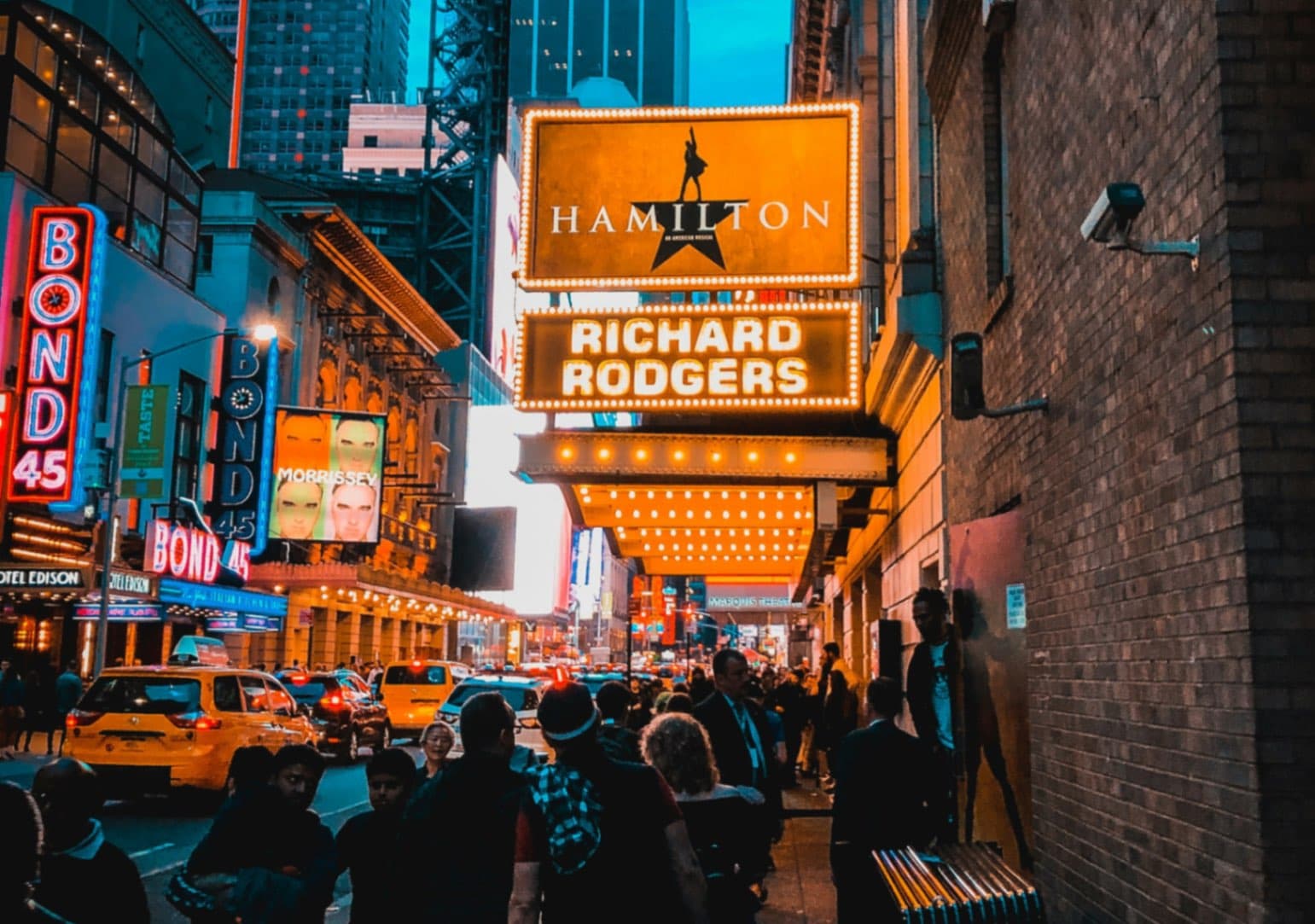
Every great musical has that moment: the character steps into the spotlight, the orchestra swells, and they belt out an "I Want" song. Whether it’s "My Shot" in Hamilton, "The Wizard and I" in Wicked, "Go the Distance" in Hercules, or "For the First Time in Forever" from Frozen, these songs aren’t just catchy. They’re the emotional blueprint for the story. They tell us exactly what the character wants, why we should care, and why the next two hours of their life are worth watching.
But here’s the twist: the genius of the “I Want” song doesn’t just teach us about theatre. It also has lessons for how we think about communities, civic engagement, and even public administration.
How "I Want" Songs Structure Narrative Intent
In musical theatre, the "I Want" song usually appears early in Act One. Think of it as the character’s mission statement laid bare in soaring melody. It’s not just entertainment; it’s a narrative compass. Take Hamilton: when Alexander Hamilton raps that he is "not throwing away his shot," we instantly understand his ambition, restlessness, and hunger for legacy. We know where he’s going and why we should follow.
These songs are efficient storytelling devices. They communicate motivation without paragraphs of exposition. It's dramaturgy meets emotional shorthand. For municipal arts programs commissioning new work, understanding this structure can be invaluable. If you want audiences to connect, a character, or even a community, needs a clear desire. Without it, the story, like a poorly plotted city initiative, loses focus and impact.
Moreover, "I Want" songs act as both foreshadowing and emotional scaffolding. In Wicked, "The Wizard and I" hints at Elphaba’s ultimate arc while revealing her vulnerability, her ambitions, and her moral compass. By showing a character’s intent early, the musical builds narrative tension: the audience wants to see if that desire will be fulfilled, thwarted, or transformed. Similarly, when city agencies articulate clear goals, be it reducing emissions, improving transit, or revitalizing public parks, residents, stakeholders, and funders are far more likely to engage because they understand the "why" driving action.
Psychological Resonance and Civic Engagement
"I Want" songs work because they tap into universal human desires. They align with Maslow’s hierarchy of needs: belonging, esteem, self-actualization. Hercules’ "Go the Distance" isn’t just about heroism, it’s about finding purpose and identity. That emotional resonance is exactly why these songs foster empathy, and why empathy matters in civic life. Communities thrive when people understand each other’s hopes and struggles.
Arts programs can harness this insight. Youth exposed to performances that highlight ambition and vulnerability show measurable gains in emotional literacy and communication skills. For local governments, partnering with schools and theatres isn’t just arts outreach, it’s a long-term investment in resilient, empathetic citizens. Civic engagement thrives when individuals see reflections of themselves and their aspirations on stage. When municipalities invest in creating those reflections, they are literally turning art into social capital.
Even beyond youth programs, "I Want" songs can illuminate community priorities. By listening to the desires embedded in storytelling, city planners can better understand how communities envision their future. Stories about ambition, belonging, and self-expression often mirror civic desires: safe streets, vibrant neighborhoods, accessible parks. Understanding these narratives helps leaders align policy with lived experience, creating more inclusive, responsive cities.
Applying "I Want" Song Mechanics in Community Arts
Here’s a radical idea: let communities write their own "I Want" songs. Not literally for Broadway (though why not?), but as narrative exercises. The Community Play Project in British Columbia, for example, had residents explore local identity through story-based performance. By articulating desires, whether safer streets, more green space, or a vibrant downtown, community members contribute a form of civic intelligence that’s both creative and actionable.
Structured workshops like this can feed directly into planning and consultation. Residents' "I Wants" become data points. They’re not just opinion surveys. They’re the emotional pulse of a community. When incorporated thoughtfully, this storytelling approach humanizes policy in a way numbers alone cannot. And when multiple community voices are combined, you get something like a citywide ensemble number: competing interests harmonized, dissonances noted, and shared aspirations amplified.
Encouraging residents to identify what they "want" also fosters ownership and accountability. When people see their ideas reflected in local initiatives, they are more likely to engage, volunteer, or advocate. Just as audiences cheer when a character achieves their dream on stage, citizens celebrate progress when civic desires are acknowledged and acted upon.
Lessons for Public Administrators
If you work in city government or a cultural commission, the takeaway is simple: clarity of desire matters. Stories and organizations that know what they want resonate. That clarity drives engagement, attendance, and trust. When evaluating grants or programs, consider asking, "What is the 'I Want' of this project?" It’s a surprisingly effective lens for judging potential impact.
The framework can also guide strategic planning. Asking arts organizations to articulate their "I Want" aligns goals, clarifies priorities, and reveals opportunities for collaboration. It’s public administration meets Broadway. Mission statements, but with more jazz hands.
Consider this in practice: when multiple agencies collaborate on a citywide initiative, like a public arts festival, early articulation of goals ensures that departments aren’t stepping on each other’s toes. One agency wants to increase foot traffic downtown, another wants to amplify local artists, and yet another seeks educational outreach. By stating these desires clearly, planners can choreograph an initiative where each objective complements the others rather than competing.
Bringing Stories to Life in Civic Spaces
Finally, consider the stage itself. Parks, libraries and transit stations are ripe for performances inspired by the "I Want" song. Pop-up theatre, mobile performances, and artist residencies can transform public spaces while amplifying community voices. A well-crafted local performance doesn’t just entertain. It validates experiences, fosters belonging, and encourages civic pride.
Civic spaces, like a musical stage, are opportunities to make desires visible. By investing in programming that brings community stories to life, administrators transform underutilized areas into hubs of engagement. A bus station or library plaza can become a place where stories and civic aspirations take center stage.
In short, the next time you hear a character belting out their heart’s desire, remember: there’s a lesson in there for cities, communities, and leaders alike. Clear goals, vulnerability, and the courage to declare what you want. Huh. Musical theatre has been teaching us civic strategy all along. And just like a show-stopping number, when communities see their voices acknowledged and celebrated, everyone wins.