The Washington Protocol: The Temptation to Simulate History and Why We Must Resist
The Washington Protocol
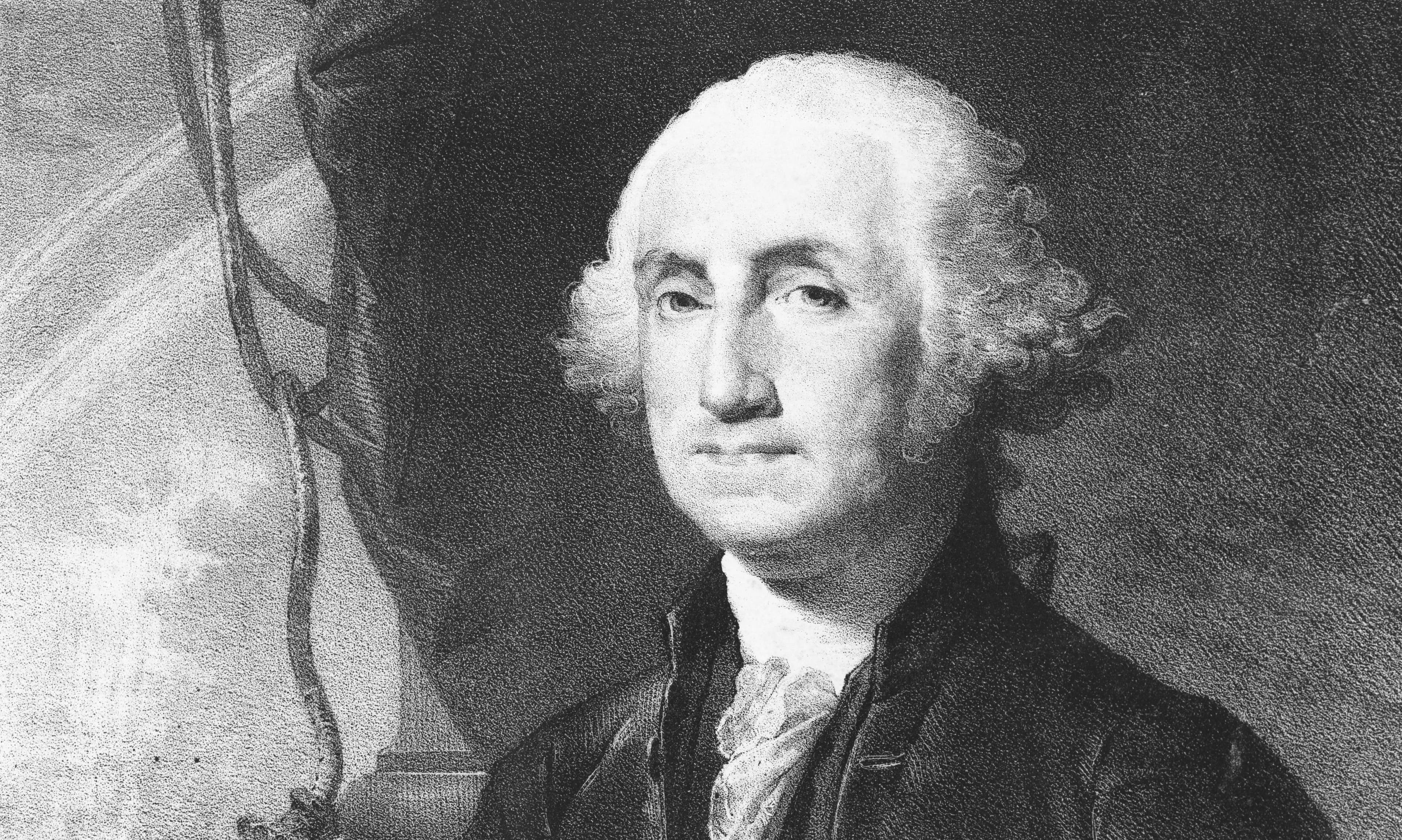
It started with a simple, intoxicating premise: What if we could bypass the archaic, dusty vernacular of history’s greatest minds and inject their raw brilliance directly into the modern bloodstream? We treat figures like George Washington as marble statues; revered, but silent. We study their texts, but we struggle to feel their urgency because the language of 1796 acts as a firewall against the attention span of 2025.
My hypothesis was that generative AI could act as the universal translator, not between languages, but between eras.
I wanted to build a "Synthesis Engine." I imagined feeding a Large Language Model (LLM) the entirety of Washington’s correspondence, his Farewell Address, and his journals, and then prompting it to strip away the 18th-century formality. I didn't want to change the meaning; I wanted to port the operating system. I wanted Washington to speak to us now, about us now, with the same strategic clarity that held a fragile revolution together in Valley Forge.
The technology exists. The data is public. The capability is trivial.
The Wall of "No"
As I began putting pen to paper, ready to summon the father of the nation. I made the mistake of telling legal counsel.
The reaction was not the cautious optimism I expected. It was closer to a DEFCON-level panic.
"You cannot do this," they said. When I argued that Washington has been dead for two centuries and that his likeness and words are in the public domain, they didn't care. They weren't worried about copyright. They were concerned about ethics and integrity. This is why surrounding yourself with people who will help you stay the course is key- that's for another time to unpack.
"You aren't quoting him," counsel yelled, in a tone usually reserved for impending lawsuits. "You are simulating him. You are putting words in the mouth of a dead man who cannot correct the record. If your AI hallucinates, if 'Modern Washington' endorses a crypto scam or a political insurrection because of a temperature setting in your API, that is not a remix. That is digital defamation."
It felt reactionary at the time. But after the adrenaline faded, I was forced to zoom out. I realized they weren't just protecting the firm; they were identifying the central paradox of our time.
We have built a machine that can do almost anything. And because it can do anything, the only thing that matters is what we choose not to do.
The Illusion of Access
To understand the temptation, you have to look at what I was trying to translate. Take Washington’s warnings on political factions from his Farewell Address. In the original, it is dense, labyrinthine prose:
The alternate domination of one faction over another, sharpened by the spirit of revenge, natu
Read-Only
$3.99/month
- ✓ Unlimited article access
- ✓ Profile setup & commenting
- ✓ Newsletter
Essential
$6.99/month
- ✓ All Read-Only features
- ✓ Connect with subscribers
- ✓ Private messaging
- ✓ Access to CityGov AI
- ✓ 5 submissions, 2 publications
Premium
$9.99/month
- ✓ All Essential features
- 3 publications
- ✓ Library function access
- ✓ Spotlight feature
- ✓ Expert verification
- ✓ Early access to new features
More from Artificial Intelligence
Explore related articles on similar topics