The Sweep Spot: How Leaders Can Think Like An Olympic Curler (Seriously)
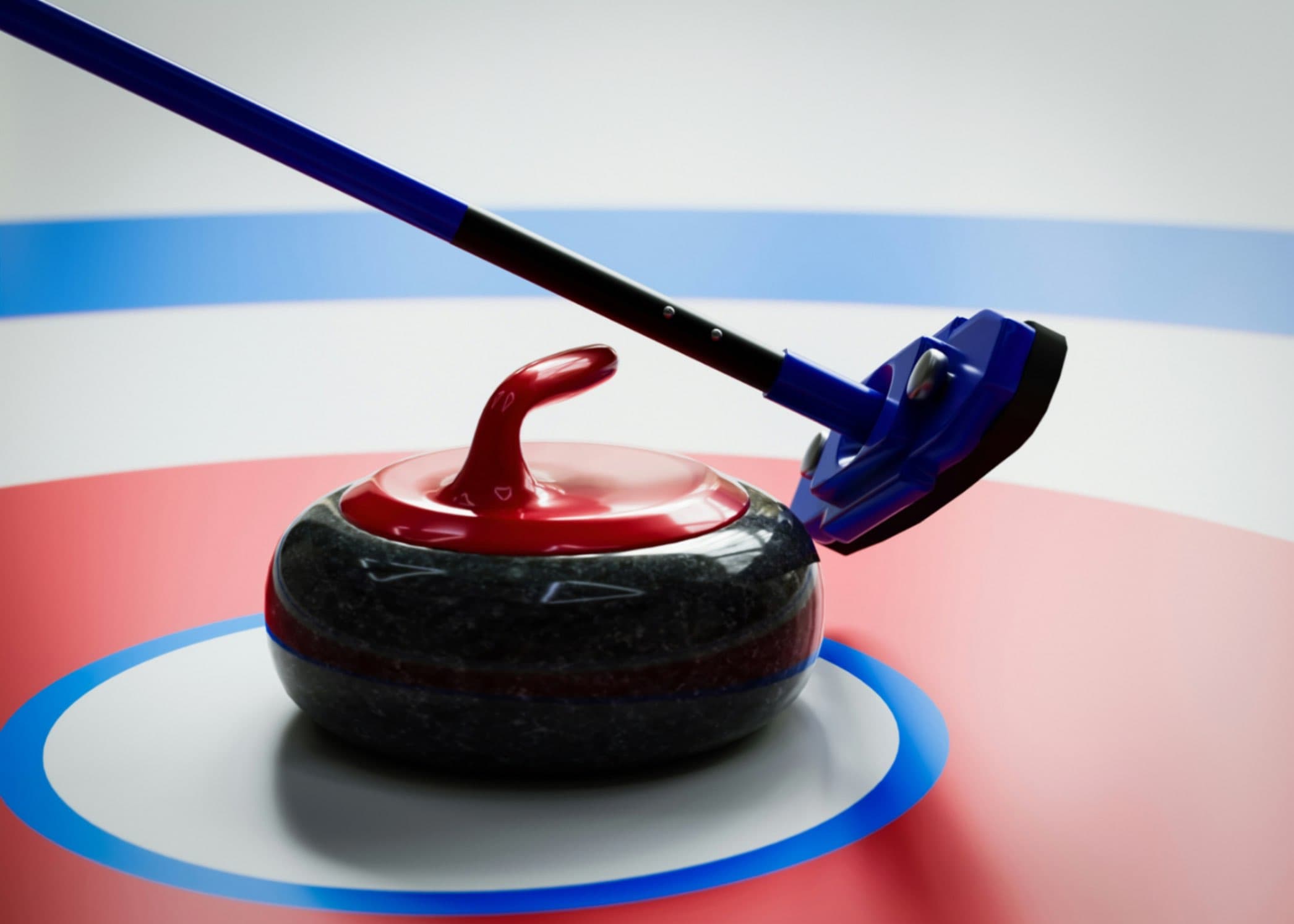
Picture the Olympic curling rink: a gleaming sheet of ice, stones sliding with silent determination, and sweepers furiously brushing the path while the skip shouts instructions that sound halfway between a physics lecture and a battle cry. For first-time spectators, curling feels delightfully confusing- part chess match, part household chore: “Why are they yelling at that rock?” and “Wait, what’s an end… and does it actually end?”
But beneath the quirky terminology and rhythmic sweeping lies a surprisingly elegant metaphor for leadership. Great leaders, like great curlers, operate with precision, teamwork, and a touch of strategic chaos control.
Strategic Thinking and Long-Term Vision
The best skips (curling captains) don’t just play the next shot- they’re thinking several stones ahead. They read the ice, anticipate shifts, and plan for the final end long before it arrives. Sometimes, teams will “blank an end”- intentionally skipping a scoring opportunity to set up a better position later. It’s counterintuitive, but it embodies a higher-order discipline: resisting the lure of short-term wins to position yourself for decisive long-term success.
Leadership works the same way. The most effective leaders- whether in government, education, or business- set the vision early and play the long game. Before the “stone” (or decision) is released, they’ve already aligned their team on the target. Clarity precedes motion. The mark of true strategy isn’t just how fast you score- it’s how deliberately you set the stage for impact that lasts.
Teamwork and Role Clarity
In curling, the thrower gets the glory shot, but the sweepers make it count. Their quick judgment and physical effort adjust speed, angle, and trajectory in real time. They turn potential into precision.
That’s leadership gold: understanding that success depends on every role working in sync. A well-run team isn’t a hierarchy of importance- it’s a choreography of trust. When egos overshadow execution or roles blur into confusion, the whole shot veers off course. The skip’s job isn’t to do everything- it’s to empower others to deliver with perfect timing and confidence.
The same applies in civic leadership: when everyone knows their lane and trusts the vision, progress glides forward smoothly- even on slippery ground.
Communication That Cuts Through the Noise
Watch a curling match closely and you’ll witness a masterclass in purposeful communication. There’s constant chatter- sometimes frantic, sometimes calm- but always meaningful. Sweepers yell metrics about speed; the skip signals adjustments across sixty feet of echoing ice. No one’s talking for the sake of noise; they’re adapting in real time.
In leadership, silence is dangerous. During uncertainty or high stakes, strong leaders communicate more, not less-clarifying, grounding, and guiding their teams through ambiguity. And just like in curling, not all communication is verbal. Great leaders notice the micro-expressions, the hesitation before someone speaks up, the fatigue behind a polite nod. They read the “ice” under their team’s feet and adjust before cracks form.
Adaptability: Reading the Ice as It Changes
No two curling sheets are ever the same, and each changes as gameplay wears on. The best teams don’t cling to yesterday’s read; they adapt shot by shot. That kind of agility- fast, informed, humble- mirrors what modern leadership demands.
Conditions shift: markets evolve, communities change, priorities pivot. Leaders who dig into rigidity risk sliding wide of the target. Adaptability isn’t chaos; it’s awareness in motion, guided by experience and grounded by purpose.
Resilience and Grace Under Pressure
Olympic champion John Shuster once said his team’s gold medal run began when he simply decided to “bring my best self to the game.” Once the fear lifted, they found flow. Eve Muirhead, another curling great, famously lost far more games than she won—but it was her resilience, not her record, that defined her.
Leadership often feels like standing on ice while everyone’s watching to see if you’ll slip. The difference between breakdown and breakthrough isn’t perfection- it’s composure. Those who stay calm under pressure and recover quickly from setbacks write the real victory stories. The ice tests your footing; your response defines your legacy.
Precision and Intentional Decision-Making
A stone that’s off by half an inch can ruin an entire end. Leadership decisions carry the same delicate weight. Tiny miscalculations- unchecked assumptions, rushed choices- can steer a mission wildly off target.
Muirhead once said what matters most is having the courage to decide: “Whether it’s right or wrong, sometimes you just have to make the call.” Momentum builds from conviction. Trust is born from leaders who think carefully- but not endlessly- before throwing the stone.
Support, Culture, and Clearing the Ice
Curling, at its heart, is a sport built on mutual support. Sweepers literally clear friction from the path so the stone can find its way home. The same is true of great leaders: their real power lies in removing obstacles, not creating them. Bureaucratic snags, toxic culture, emotional drag- these are the icy patches that slow teams down.
By clearing the path and modeling calm, consistent collaboration, leaders build something curling uniquely celebrates: a culture where quiet execution and mutual respect matter more than flash or fanfare.
The Leadership Endgame
Curling may look slow and subtle, but within those deliberate slides lies a full-speed metaphor for effective leadership. Strategy, communication, composure, adaptability- it’s all there, etched across 150 feet of ice.
Every leader throws stones each day- decisions, directives, opportunities. The question is whether you’re sweeping with intention or standing by, watching the game unfold.
The ice is waiting. How will you play your next end?