The Message Pyramid: Structuring City Communication for Clarity and Connection

Strategic Messaging for Municipal Engagement
In municipal government, effective messaging is not just about delivering information but about shaping trust, fostering transparency, and encouraging civic participation. Every press release, social media post, or public service announcement contributes to how residents perceive their local leaders. Messaging must be intentional, consistent, and tailored to reflect both the values of the administration and the priorities of its constituents. For example, when a city launches a new infrastructure project, the message should not only detail the logistics but also clearly communicate the community benefits, address potential concerns, and express the city’s long-term vision.
Practitioners should adopt a messaging framework that aligns with the municipality’s strategic objectives. This involves identifying key messages that resonate with diverse audiences, using inclusive language, and anticipating public feedback. A well-structured message pyramid, starting with a core message followed by supporting facts and human-interest elements, can help ensure clarity and relevance. The National League of Cities emphasizes that clear, fact-based messaging is essential for reducing misinformation and promoting civic trust, particularly during crises or major policy changes1.
Leveraging Multiple Media Channels Effectively
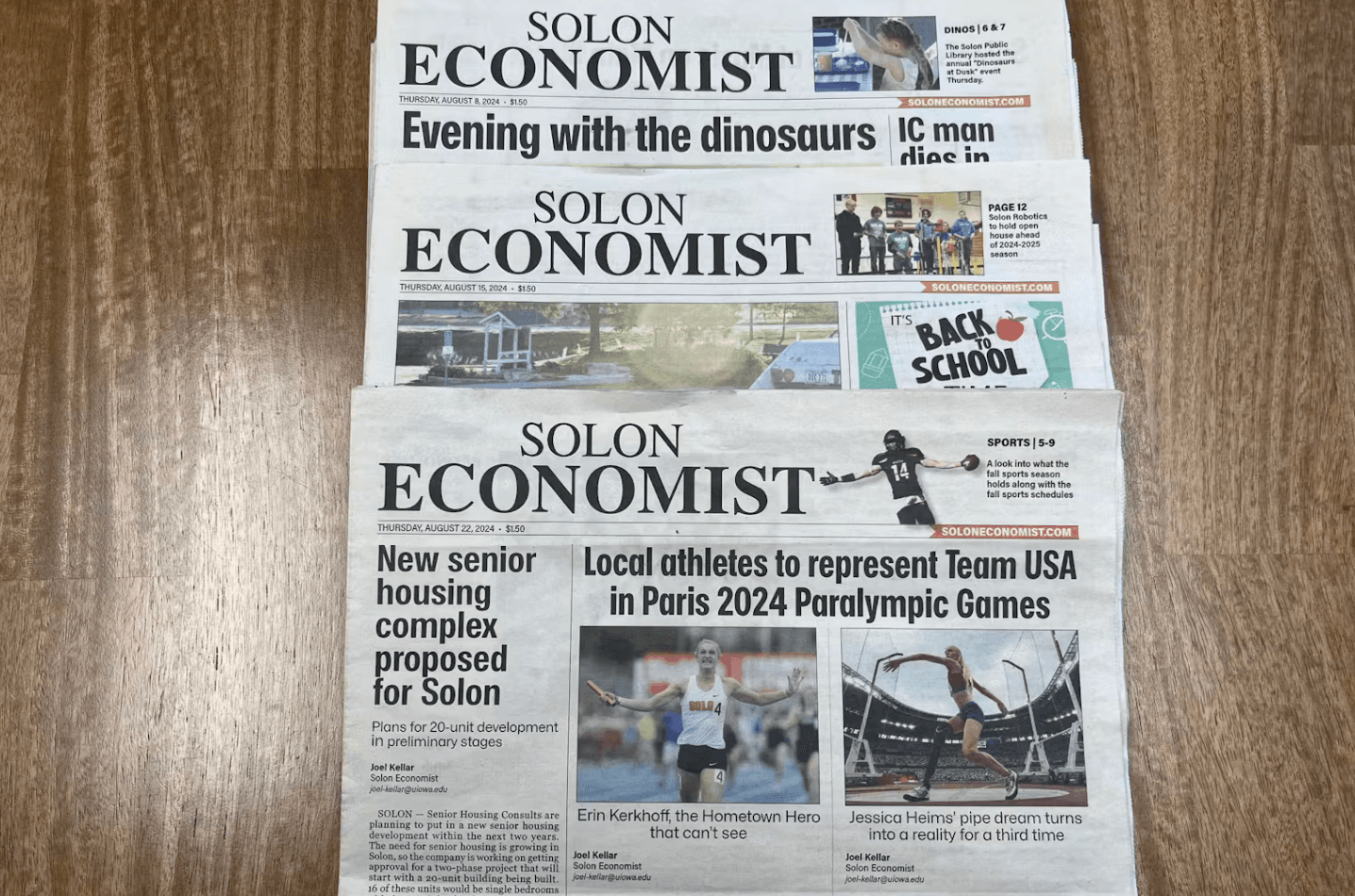
Media consumption habits vary widely across demographics, which is why municipalities must diversify their communication channels. Relying solely on one platform, such as a city website or local newspaper, risks missing key segments of the population. Instead, a multi-channel strategy that includes traditional media, digital platforms, and community-based communication ensures a broader reach. Cities like Los Angeles and Chicago have developed robust media ecosystems that incorporate newsletters, SMS alerts, neighborhood forums, and televised council meetings to keep residents informed2.
Social media, when used strategically, can be a powerful tool for two-way engagement. It allows real-time updates, immediate feedback, and community dialogue. However, it requires active management and a clear content calendar to avoid inconsistencies or missteps. Municipal communication teams should establish social media policies, designate trained spokespersons, and monitor analytics to refine messaging. According to a 2023 Pew Research Center report, over 70 percent of U.S. adults use social media as a primary news source, underscoring the importance of local governments maintaining an active, credible presence online3.
Building Public Trust Through Transparent Communication
Transparency is one of the most critical elements of successful municipal messaging. When cities proactively share information about budgets, decision-making processes, and policy outcomes, they build credibility and foster community confidence. This is especially true during emergencies, such as natural disasters or public health crises, when timely and accurate information can significantly affect public behavior. The Federal Emergency Management Agency recommends that local governments develop pre-approved messaging templates and multilingual materials to ensure rapid and inclusive communication during urgent situations4.
Transparency also involves acknowledging uncertainty or limitations. Rather than overpromising outcomes, municipal leaders should communicate honestly about challenges, trade-offs, and timelines. This approach not only manages expectations but also humanizes government operations. Case studies from cities like Portland, Oregon, have shown that when officials transparently explain the rationale behind controversial decisions, such as zoning changes or utility rate increases, public resistance decreases and constructive dialogue increases5.
Developing Media Relationships for Mutual Benefit
Establishing and maintaining strong relationships with local media outlets is essential for amplifying municipal messages. Reporters are more likely to cover a story accurately and favorably if they trust the source, have access to timely information, and understand the context. Communication staff should maintain updated media contact lists, provide regular briefings, and offer expert interviews when appropriate. A proactive media relations strategy helps ensure that the city’s perspective is included in news coverage, especially when addressing complex or contentious issues.
Media briefings should be seen not as defensive exercises but as opportunities to educate and engage. Officials should be trained to speak in clear, jargon-free language and to stay on message without evading tough questions. Offering visual materials, such as infographics or site tour opportunities, can also enhance coverage and public understanding. The International City/County Management Association advises that consistent engagement with the media strengthens institutional credibility and improves the overall quality of local journalism6.
Evaluating Impact and Adapting Communication Strategies
Messaging effectiveness should not be assumed; it must be measured. Using tools like surveys, focus groups, and digital analytics, municipal communicators can assess what messages are resonating, what platforms are most effective, and where gaps exist. For instance, if a campaign about water conservation results in increased usage instead of reduced consumption, it signals a misalignment between the message and audience perception. Adjusting the tone, imagery, or timing could make a significant difference.
Continuous feedback loops are crucial. Public information officers should regularly review metrics such as social media engagement rates, website traffic, and local news sentiment. Periodic internal reviews can help refine communication strategies, align them with shifting community priorities, and ensure that all departments are consistent in their messaging. The Center for Government Excellence at Johns Hopkins University emphasizes that data-informed communication strategies lead to more equitable and effective service delivery7.
Conclusion: Empowering Communities Through Thoughtful Messaging
Municipal messaging is most powerful when it reflects the lived experiences, aspirations, and concerns of the people it serves. It is not merely about transmitting information but about building a shared narrative that strengthens the social contract between government and residents. By using media strategically, maintaining transparency, engaging diverse audiences, and continuously evaluating impact, cities can foster a more informed, engaged, and resilient community.
Practitioners in municipal government must approach media and messaging with both discipline and empathy. Every word, image, and channel choice matters. When communication is intentional, inclusive, and responsive, it becomes a tool not only for governance but for empowerment. As the challenges facing cities grow more complex, so too must our commitment to messages that educate, connect, and inspire.
Bibliography
National League of Cities. “Communicating Effectively with Residents: A Guide for Local Governments.” 2022. https://www.nlc.org/resource/communicating-effectively-with-residents/
City of Los Angeles. “Citywide Communications Strategy.” 2023. https://lacity.org/communications-strategy
Pew Research Center. “News Consumption Across Social Media in 2023.” August 2023. https://www.pewresearch.org/journalism/2023/08/21/news-consumption-across-social-media-in-2023/
Federal Emergency Management Agency. “Crisis Communications Planning Guide for Local Governments.” 2021. https://www.fema.gov/media-library/assets/documents/188007
City of Portland. “Community Engagement and Transparency Report.” 2022. https://www.portlandoregon.gov/civic/78735
International City/County Management Association. “Best Practices in Local Government Media Relations.” 2021. https://icma.org/articles/article/best-practices-local-government-media-relations
Center for Government Excellence at Johns Hopkins University. “Data-Informed Communication Strategies.” 2023. https://govex.jhu.edu/wiki/data-informed-communication-strategies/




Join the discussion
Members can read and add comments on every article.