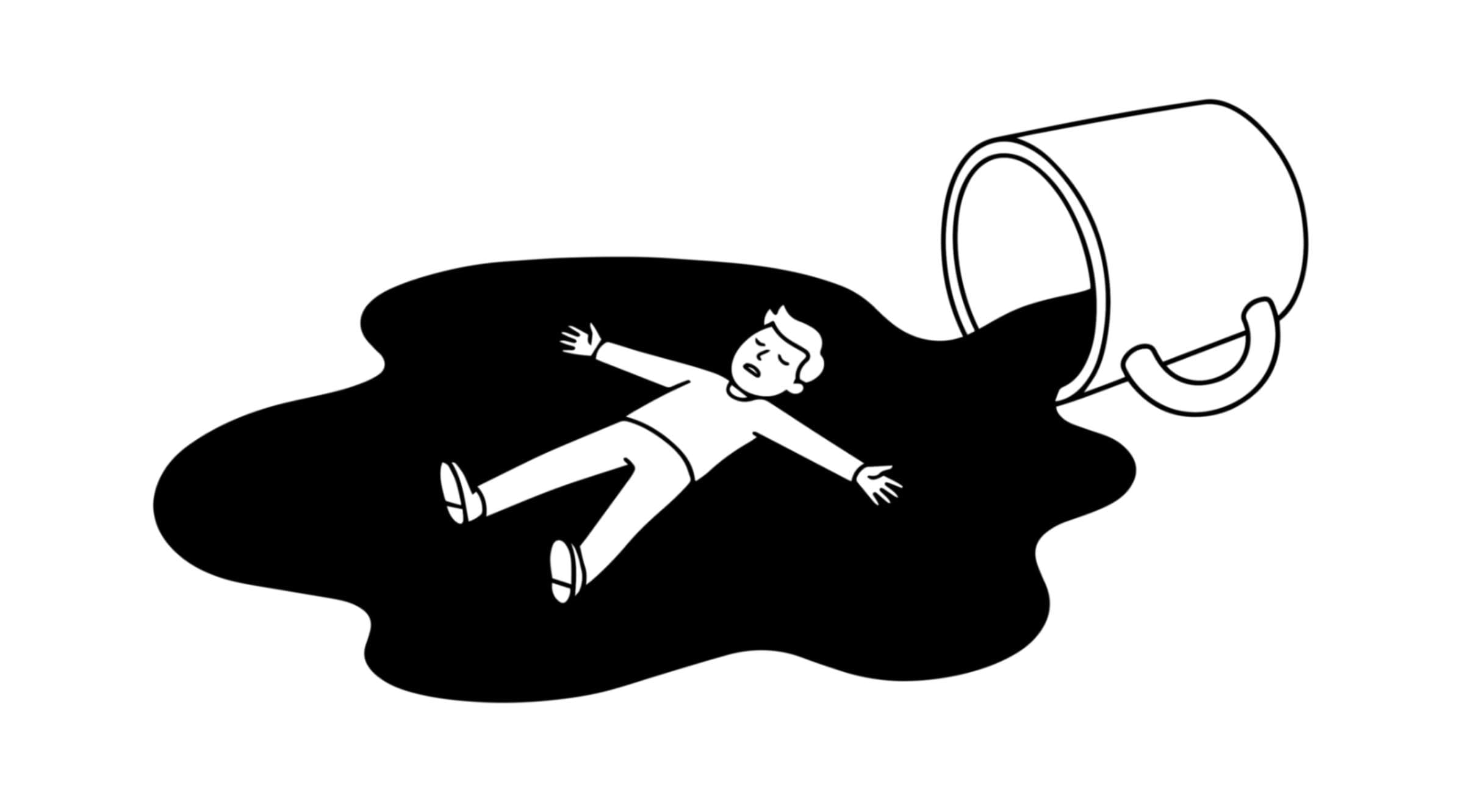
Sleep, Shift Work, and Survival: The Hidden Health Crisis in Law Enforcement
Let’s talk about a kind of exhaustion that doesn’t just sneak up on you after one tough shift - it’s the type that lingers, quietly settling in after night after night of not quite bouncing back.
It builds up because, honestly, there is never really a chance to fully recover before it's time to head back out again. The body and mind can only patch things up so much before the next round begins.
Shift work isn’t just about odd hours on the clock. It flips the world upside down—body routines get scrambled, the mind struggles to hit “reset,” and suddenly, every weight carried feels a little heavier.
Over time, that constant disruption stops being just an annoyance. It becomes something more serious—something that seeps into health.
This isn't just about inconvenience anymore. It’s a real health issue, one that demands attention.
When the Body Loses Its Rhythm
Our bodies crave consistency. We’re built for routines—going to bed at night, waking up in the morning, and repeating the cycle. It’s how we’re wired.
Sleep at night. Wake in the morning. Do it all over again. Simple, right?
Except in law enforcement, life is anything but simple. The job doesn’t care much for any sleep schedule. Those rotating shifts, overnight patrols, and court appearances after barely catching a wink? They throw the whole system for a loop, and it’s not something the body just “gets used to” with time.
Instead, the body tries to adapt. It works overtime to make up for that lost rhythm—but that effort comes with a price tag.
Feeling wiped out, but unable to fall asleep—or stay asleep.
Sleep feels shallow, interrupted, and never quite enough.
Mornings come, but there’s no sense of feeling rested—even if technically “slept.”
Caffeine becomes a best friend, just to make it through the day.
At first, these things feel like small hurdles—nothing that can't be pushed through. It's just part of the job, right?
But here’s the catch: over time, all those little sleep debts add up. The deficit doesn’t disappear. It grows.
The Accumulation of Fatigue
Losing sleep in this line of work isn’t usually a big, dramatic event. It’s a slow drip—an hour lost here, a restless night there, or a shift change that flips everything upside down all over again.
None of these, on their own, seem like a big deal. But together? They pile up into a kind of tired that just doesn’t go away.
And it’s not just energy that takes a hit. That kind of persistent fatigue can chip away at judgment, patience, and emotional control—the very things relied on, both in uniform and at home.
So, if this constant tiredness is felt, it’s not a solitary experience. It’s a real challenge, and one that deserves attention—for health, work, and life outside the badge.
These effects aren’t just background noise—they’re at the heart of what it means to show up, on the job and at home. Taking them seriously is the first step toward making a real difference.
A Familiar Pattern
There was a stretch where sleep became more of a requirement than a reality.
Arriving home, tired enough to expect sleep to come easily.
But it didn’t.
The mind stayed active. The body stayed alert. And rest became something partial—never quite complete.
The next day, showing up anyway.
Because that’s what the job requires.
But showing up tired, day after day, changes how operations proceed—even if it’s not noticed immediately.
How Sleep Loss Affects Performance
Fatigue doesn’t always feel dramatic.
Often, it shows up in subtle ways:
Slower reaction times
Reduced focus during routine tasks
Increased irritability
Less patience in both professional and personal interactions
Over time, these small changes can impact decision-making, communication, and overall effectiveness.
Not because the officer lacks ability—but because the body and mind are operating below capacity.
The Impact Beyond the Job
Let’s be real—sleep disruption isn’t something that can just be left at the office door. It tags along, sneaking into every corner of life, even after clocking out. This isn’t just about feeling groggy at work; it’s about how that fatigue follows home, sometimes more quietly than expected.
It doesn’t just show up in professional performance. It’s there when sitting with family at dinner, when trying to unwind or catch up on conversations that matter. The way of interacting, patience, and energy—it all takes a hit. And, honestly, it’s often the people closest who notice these changes before they do. They spot the irritability, the lack of engagement, the moments when one seems distracted or on edge, even if it's thought to be hidden well.
Why It’s Often Overlooked
Here’s a tough truth: in law enforcement, fatigue has almost become part of the culture. It’s expected, accepted, and sometimes even worn like a badge of honor—proof of dedication, of being willing to go the extra mile. But let’s not kid ourselves. Just because it’s normalized doesn’t mean it’s harmless. If anything, normalization makes it easier to brush off, ignore, and pretend like it’s not affecting oneself or loved ones.
What Helps—Realistically
Managing sleep in a world of shift work is never going to be a flawless process. Perfection isn’t really on the menu—but improvement definitely is. Small changes can make a big difference, and while it’s tempting to shrug off advice, these strategies are practical and proven.
Protect your sleep window when possible: It might not always be easy, but treat the sleep window like it’s non-negotiable. Close the door, silence the phone, and let family know that this is time to recharge.
Create a consistent pre-sleep routine: Establishing a routine—whether it’s a few minutes of quiet, a warm shower, or reading something light—signals to the mind and body that it’s time to wind down. Consistency helps the brain switch gears.
Be intentional with caffeine: Caffeine can be a friend, but it can also sabotage sleep. Be mindful about when and how much is consumed, especially in the hours leading up to the sleep window.
Use short recovery periods effectively: If running on empty, even brief moments of rest—a 20-minute nap, a few minutes of deep breathing—can help reset the system and provide a second wind.
Recognize when fatigue is affecting performance: Listen to the body. If focus is slipping, frustration rising, or mistakes happening more often, it’s probably time to take fatigue seriously. Don’t wait until it becomes a crisis.
For Departments and Leadership
Fatigue management deserves a spot on the priority list—it’s not just a “nice to have.” It’s central to safety, sound decision-making, and long-term health. Departments can make a real difference by reviewing shift schedules, limiting unnecessary disruptions, and providing education on how to manage fatigue. Above all, recognizing that performance relies on recovery, not just effort, is key.
Reviewing shift rotation practices
Limiting unnecessary disruptions to rest periods
Providing education on sleep and fatigue management
Recognizing that performance is tied to recovery—not just effort
An officer who is constantly fatigued simply isn’t operating at their best—no matter how much experience or dedication they bring to the job.
The Long-Term Cost
There’s no getting around it: letting sleep disruption go unchecked sets the stage for bigger problems. The risks pile up—burnout sneaks in, stress levels climb, physical health suffers, and relationships strain under the weight. It doesn’t happen overnight. Instead, it’s a slow build, creeping in bit by bit, just like so many challenges in this line of work.
Increased risk of burnout
Higher stress levels
Physical health issues over time
Strain on relationships
These consequences don’t slam all at once. They accumulate, adding up gradually and quietly, until suddenly it’s realized just how much it's changed things.
Final Thought
Fatigue doesn’t make a grand entrance—it sneaks up, blending into the routine until it feels normal. But normal isn’t always sustainable. In a profession where being sharp, making good judgments, and being present really matter, sleep isn’t some extra perk—it’s essential. Taking sleep seriously isn’t a sign of weakness. It's a commitment to staying effective, steady, and capable for the long haul—both at work and at home.
Bibliography
Smith, M. & Robinson, L. (2022). The Impact of Shift Work on Health and Wellbeing. Health Journal.
Johnson, R. (2021). Fatigue Management for Law Enforcement. Law and Order Magazine.
Davis, A. (2020). Understanding the Effects of Sleep Deprivation. Sleep Science Review.
More from Health and Mental Wellness
Explore related articles on similar topics