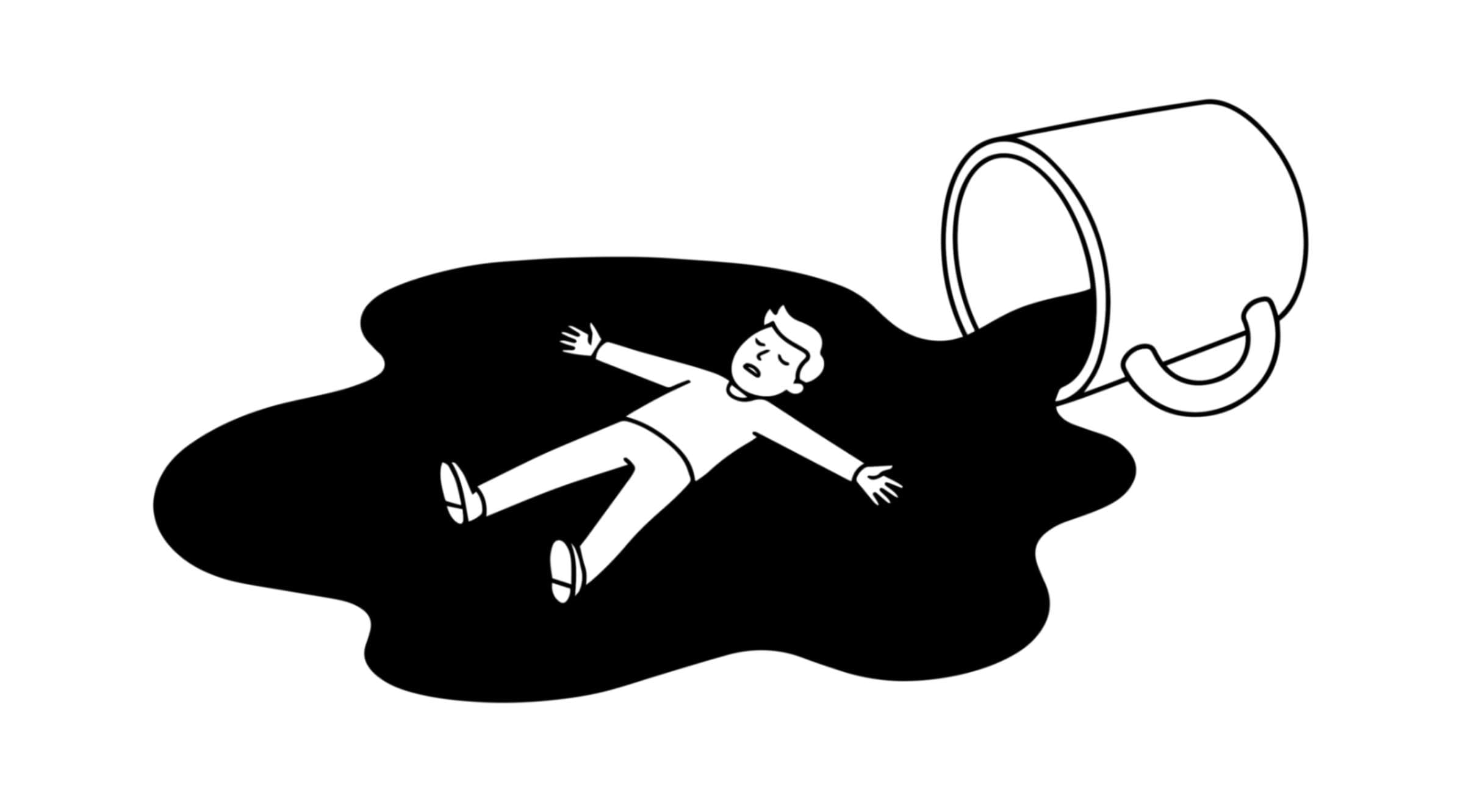
Crisis Is Just the Beginning: Designing Smarter Mental Health Systems
A mental health crisis doesn’t wait for the right moment- it erupts, disrupts, and leaves people scrambling to respond. But what happens after the immediate danger passes is just as critical as the response itself. Too often, individuals fall through the cracks, cycling between emergency rooms, law enforcement encounters, and unresolved care. This article explores how communities can break that pattern by building smarter, more compassionate systems- ones that don’t just stabilize crises, but connect people to lasting support, equity-driven care, and real pathways to recovery.
Connecting to Long-Term Care After a Crisis
A mental health crisis rarely announces itself in a neat, orderly way. It often arrives as chaos: a loved one who suddenly becomes irrational, a friend who is talking about death, a stranger who is yelling in public, or a family member who seems disconnected from reality. In those moments, most people freeze- not because they don’t care, but because they don’t know what to do without making things worse.
The truth is, you don’t need to be a clinician to help. You need steadiness, awareness, and a clear next step.
After the immediate danger of a mental health crisis has passed, the next critical step is ensuring continuity of care. Crisis stabilization alone does not resolve underlying conditions, and without follow-up, individuals remain at high risk for recurrence or worsening symptoms. Local health departments, behavioral health agencies, and nonprofit organizations should coordinate to ensure a clear, accessible path from crisis response to ongoing treatment. This includes referrals to outpatient therapy, psychiatric evaluation, substance use programs, or community-based support services.
Municipal emergency services and crisis teams must develop protocols to hand off care effectively. Warm handoffs - where the responder introduces the individual to a treatment provider in real time - increase the likelihood of follow-through significantly compared to passive referrals alone. Studies show that individuals who receive a warm handoff from emergency departments to outpatient care are more likely to attend follow-up appointments and less likely to experience re-hospitalization or repeat crises (Balfour et al. 2020)1. Coordinated care planning should also involve family members or other natural supports when appropriate, with the individual’s consent.
The Role of Mobile Crisis Teams and Co-Responder Models
In recent years, many jurisdictions have implemented mobile crisis teams or co-responder models to improve outcomes during mental health emergencies. These teams, typically composed of behavioral health professionals and, at times, specially trained law enforcement officers, respond to 911 or non-emergency calls involving mental health concerns. Their presence allows for a clinical approach to crisis intervention, rather than a punitive one, reducing the likelihood of arrest or injury.
Research has shown that co-responder models reduce unnecessary hospitalizations and law enforcement use-of-force incidents while improving access to mental health services (Watson et al. 2021)2. Cities such as Eugene, Oregon, with its CAHOOTS program, and Denver, Colorado, with its STAR program, have documented significant cost savings and improved engagement with marginalized populations through mobile crisis intervention (White Bird Clinic 2022; Denver STAR Program 2021)34. Public administrators should assess local data to determine the feasibility and scope of implementing such programs, taking into account workforce availability, funding mechanisms, and community needs.
Building Mental Health Literacy in the Community
Enhancing public understanding of mental health can prevent crises before they emerge. Mental health literacy includes recognizing symptoms, knowing how to respond, and understanding treatment options. Public education campaigns, school-based mental health programs, and community workshops can all contribute to a more informed and compassionate population.
Programs like Mental Health First Aid (MHFA) have proven effective at equipping non-clinicians with the skills to identify, understand, and respond to signs of mental illness or substance use disorders (Kitchener and Jorm 2006)5. Municipal governments, school districts, and community-based organizations can partner to sponsor MHFA trainings for frontline workers, educators, and the general public. According to the National Council for Mental Wellbeing, over 2.6 million people in the U.S. have received MHFA training as of 2023, helping to create safer and more responsive communities6.
Leveraging Data to Improve Crisis Response Systems
Effective crisis response systems rely on timely, accurate data to guide resource allocation and identify service gaps. Local governments should develop integrated data-sharing agreements between emergency services, behavioral health providers, law enforcement, and public health departments. This approach helps stakeholders monitor trends, evaluate program performance, and plan for community needs.
For example, tracking the frequency and outcomes of crisis calls can inform whether mobile crisis teams are reaching the right populations or if certain neighborhoods lack sufficient access to care. Data dashboards that include indicators such as repeat crisis contacts, emergency room utilization, and linkage to services can help guide investments and policy changes. The Substance Abuse and Mental Health Services Administration (SAMHSA) encourages communities to use performance metrics to strengthen behavioral health crisis systems, including 988 call center efficiency and mobile team deployment response times (SAMHSA 2021)7.
Supporting Frontline Workers and Preventing Burnout
Responding to mental health crises is emotionally taxing work. First responders, clinicians, case managers, and peer support specialists are at elevated risk for burnout, compassion fatigue, and secondary trauma. To sustain a healthy and effective workforce, public agencies must prioritize staff well-being through organizational policies and access to mental health resources.
Evidence-based strategies include regular supervision, trauma-informed workplace practices, access to employee assistance programs (EAPs), and peer support networks (Figley 2002)8. Agencies should monitor workload, provide opportunities for debriefing, and create a culture where seeking help is normalized. The wellbeing of crisis responders directly impacts service quality and long-term system sustainability. Municipal leaders can also play a role by securing funding and advocating for structural supports that protect frontline staff.
Integrating Equity in Mental Health Crisis Response
Equity must be a central consideration when designing and implementing crisis response systems. Communities of color, individuals with disabilities, LGBTQ+ populations, and those experiencing homelessness often face higher barriers to accessing mental health care and are more likely to encounter law enforcement during crises. These disparities can result in increased harm and mistrust of institutions.
To address inequities, agencies should collect disaggregated data to identify disparities in service delivery and outcomes. Involving community members in planning and oversight processes ensures that systems are responsive to lived experiences. Cultural competency training, hiring of diverse staff, and partnerships with trusted community organizations can also improve engagement and effectiveness. The National League of Cities emphasizes that equitable crisis response requires attention to systemic factors such as housing, poverty, and criminal justice involvement (National League of Cities 2022)9.
Conclusion: Advancing a Holistic Approach to Health and Mental Wellness
Responding effectively to mental health crises requires more than emergency intervention. It calls for a coordinated, compassionate system that spans prevention, response, and recovery. Municipal leaders and public administrators have the opportunity to shape policies and programs that protect lives, promote equity, and strengthen community resilience.
By investing in mobile crisis teams, expanding mental health literacy, leveraging data, and supporting the workforce, local governments can improve outcomes for individuals experiencing mental health challenges. Equally important is the commitment to long-term care pathways and addressing the social determinants that influence wellness. A systems-based, equitable approach will move communities closer to sustained mental health and wellbeing.
Bibliography
Balfour, Mary E., et al. 2020. "Crisis Now: Transforming Services is Within Our Reach." National Association of State Mental Health Program Directors. https://www.nasmhpd.org/sites/default/files/CrisisNow.pdf.
Watson, Amy C., Michael T. Compton, and Leah G. Pope. 2021. "Crisis Response Services: Meeting Needs, Saving Lives." Policy Research Associates. https://www.prainc.com/crisis-response-report/.
White Bird Clinic. 2022. "CAHOOTS Program Overview." https://whitebirdclinic.org/cahoots/.
Denver STAR Program. 2021. "Support Team Assisted Response (STAR) Program Evaluation." https://denvergov.org/files/assets/public/police-department/documents/star-program-evaluation-2021.pdf.
Kitchener, Betty A., and Anthony F. Jorm. 2006. "Mental health first aid training: review of evaluation studies." Australian & New Zealand Journal of Psychiatry 40(1): 6-8.
National Council for Mental Wellbeing. 2023. "Mental Health First Aid USA." https://www.mentalhealthfirstaid.org.
Substance Abuse and Mental Health Services Administration (SAMHSA). 2021. "National Guidelines for Behavioral Health Crisis Care: Best Practice Toolkit." https://www.samhsa.gov/sites/default/files/national-guidelines-for-behavioral-health-crisis-care-02242020.pdf.
Figley, Charles R. 2002. "Compassion fatigue: Psychotherapists' chronic lack of self care." Journal of Clinical Psychology 58(11): 1433-1441.
National League of Cities. 2022. "Reimagining Public Safety: A Guide to Fair, Just and Equitable Responses to Mental Health Crises." https://www.nlc.org/resource/reimagining-public-safety/.
More from Health and Mental Wellness
Explore related articles on similar topics