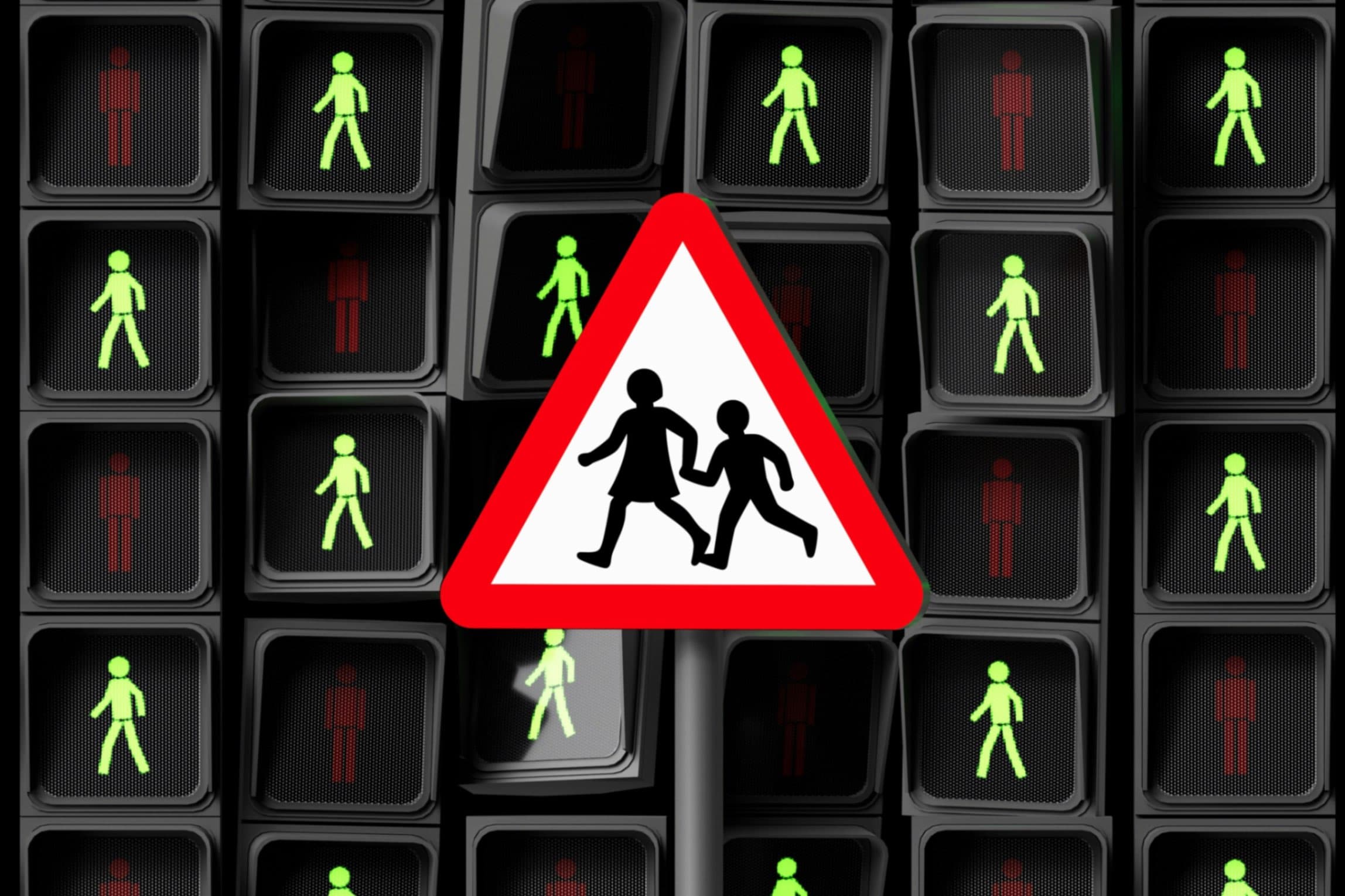
Safety Starts With Us: The Power of Everyday Prevention
Public safety isn’t built in moments of crisis; it’s earned through trust and daily connection. When city leaders listen beyond emergencies, they discover the local insight and shared care that make real prevention possible. From neighborhood safety walks to co-responder teams and trauma-informed outreach, communities are redefining safety as more than the absence of harm- it’s the presence of trust, transparency, and collaboration.
Effective public safety strategies begin with authentic, ongoing engagement between local government and the people it serves. While crisis response is vital, long-term safety outcomes are shaped by the relationships we build during periods of calm. Hosting regular neighborhood safety walks, listening sessions in multiple languages, and partnering with community-based organizations allows residents to voice their concerns and offer localized insights that may not appear in crime data. These interactions build the trust necessary for collaborative problem-solving and increase the legitimacy of public safety agencies in the eyes of the community.
Municipal leaders must prioritize accessibility and consistency in their outreach. Too often, safety initiatives are reactive and episodic. Instead, cities should institutionalize practices like community advisory boards, participatory budgeting for safety initiatives, and multilingual communication platforms. These investments deepen civic participation and allow safety strategies to reflect the lived experiences of residents. When people see their feedback translated into action, their trust in local institutions grows, reinforcing a foundation of mutual respect and shared responsibility for safety. Research from the Urban Institute highlights that community engagement not only improves perceptions of safety but also leads to more equitable outcomes across neighborhoods with varying levels of historical disinvestment1.
Integrating Prevention into Everyday Governance
Prevention must be treated as a core function of public safety, not as a supplemental program or grant-dependent initiative. Cities that prioritize upstream interventions such as youth mentorship, behavioral health services, and housing stability reduce the need for emergency response in the first place. For instance, programs that embed social workers or mental health professionals with emergency dispatch or police units have shown success in diverting non-criminal calls to appropriate services, reducing repeat 911 use and unnecessary arrests2.
Municipal departments can support prevention by aligning their budgets and strategic plans around shared safety goals. For example, public works, parks and recreation, and housing departments all influence the social determinants of safety. Coordinated efforts between these agencies can prevent crime by improving lighting in high-traffic areas, maintaining clean and usable public spaces, and ensuring housing code compliance. The Centers for Disease Control and Prevention found that environmental design strategies like these can reduce violence and enhance community cohesion3. Integrating prevention into daily operations requires cross-departmental leadership, dedicated data-sharing protocols, and a long-term commitment to equity.
Advancing Transparency and Accountability
Transparency is not a one-time report or dashboard, but a continuous process of informing, involving, and being accountable to the public. Municipal safety leaders must share both successes and setbacks with honesty, using data to drive improvement rather than deflect criticism. This includes publishing use-of-force incidents, complaint resolutions, and response times in formats that are accessible and easy to understand. When residents can track progress and see the impact of their input, they are more likely to remain engaged and supportive of public safety strategies.
Accountability also involves internal culture change. Supervisors, union leaders, and frontline staff must be aligned on the values of procedural justice, de-escalation, and service to the community. Training is useful, but it must be reinforced by policy, incentives, and leadership modeling. Cities like Camden, New Jersey and Stockton, California have made meaningful reforms by restructuring police oversight mechanisms and involving community members in officer performance evaluations4. These changes are not easy, but they are necessary to rebuild trust where it has been damaged and to prevent future harm.
Collaborative Models That Expand Safety Capacity
No single department or agency can achieve public safety outcomes alone. Cities that succeed in creating safer communities do so by establishing strong networks of collaboration among government entities, nonprofits, healthcare providers, faith institutions, and residents. Co-responder models, where clinicians accompany law enforcement on behavioral health calls, are one example of this approach. Another is community violence intervention, in which trusted messengers use their relationships to mediate conflicts and connect individuals to opportunities. These models expand the definition of who contributes to safety and help align resources with the root causes of harm.
To implement these partnerships effectively, municipalities must invest in infrastructure that supports coordination. This includes shared data systems, formal memoranda of understanding, and joint training opportunities. It also means funding community-based partners equitably and recognizing their expertise. According to the National League of Cities, cities that center community voices in co-production of safety outcomes see greater success in reducing violence and increasing public trust5. Collaboration is not just a strategy; it is a commitment to humility, listening, and shared leadership in service of a common goal.
Fostering a Culture of Care Within Public Institutions
At its core, public safety is about care - care for individuals in crisis, for neighborhoods facing disinvestment, and for those who serve on the frontlines of emergency response. Municipal leaders must create workplace cultures that support the wellbeing of their employees. This includes addressing the mental health needs of first responders, offering peer support programs, and ensuring that staff have the tools and time necessary to do their jobs effectively. Burnout and moral injury are real threats to sustainable public safety operations, and addressing them requires systemic attention, not just individual resilience.
Equally important is modeling care in our interactions with the public. Trauma-informed practices, restorative approaches to conflict, and culturally responsive service delivery are all ways that government can demonstrate respect and empathy. These approaches reduce the likelihood of escalation and help build long-term relationships between agencies and the communities they serve. When public institutions operate with care and consistency, they reinforce the idea that safety is not about control, but about community wellbeing and mutual respect.
Bibliography
Urban Institute. “Engaging Communities in Public Safety Solutions.” Urban.org. Last modified October 2022. https://www.urban.org/research/publication/engaging-communities-public-safety-solutions.
Waters, Heather. “Law Enforcement-Mental Health Collaboration Toolkit.” Bureau of Justice Assistance, U.S. Department of Justice, 2021. https://bja.ojp.gov/program/law-enforcement-mental-health-collaboration-toolkit/overview.
Centers for Disease Control and Prevention. “The Social-Ecological Model: A Framework for Prevention.” CDC.gov. Accessed April 2024. https://www.cdc.gov/violenceprevention/about/social-ecologicalmodel.html.
Police Executive Research Forum. “Re-Imagining Policing Strategies.” PERF Reports, 2020. https://www.policeforum.org/assets/ReimaginingPolicing.pdf.
National League of Cities. “Reimagining Public Safety: A Roadmap for Cities.” NLC.org. Last modified March 2021. https://www.nlc.org/resource/reimagining-public-safety-a-roadmap-for-cities/.
More from Public Safety
Explore related articles on similar topics