Public Safety Is Built Before the Crisis
Why the strongest communities invest in trust, not just response
Public safety is often measured in moments of crisis—a 911 call, flashing lights, the arrival of first responders. But the truth is quieter than that. The strongest public safety systems are built long before anything goes wrong.
They are built in relationships, in consistency, and in the steady, often unseen work of preparation.
Cities that understand this are the ones that endure pressure without breaking.
The Shift from Reaction to Readiness
For decades, public safety has leaned heavily on response: how quickly officers arrive, how effectively departments coordinate, how well agencies recover after an incident. Those things still matter. They always will.
But they are not enough.
Modern public safety is shifting toward readiness—a proactive posture that focuses on preventing harm, reducing escalation, and strengthening the conditions that keep communities stable in the first place.
This includes:
Strategic patrol placement based on data, not habit
Cross-agency coordination before emergencies occur
Investment in training that emphasizes de-escalation and decision-making under stress
Clear communication channels with the public
Preparedness is not a program. It is a culture.
Trust Is Infrastructure
Cities invest heavily in roads, water systems, and utilities because they understand infrastructure must hold under strain. Public safety requires the same mindset.
Trust is infrastructure.
When residents trust their police, fire, and emergency services:
They report concerns earlier
They cooperate during crises
They follow guidance when it matters most
When trust is absent, even the best tactical response struggles to succeed.
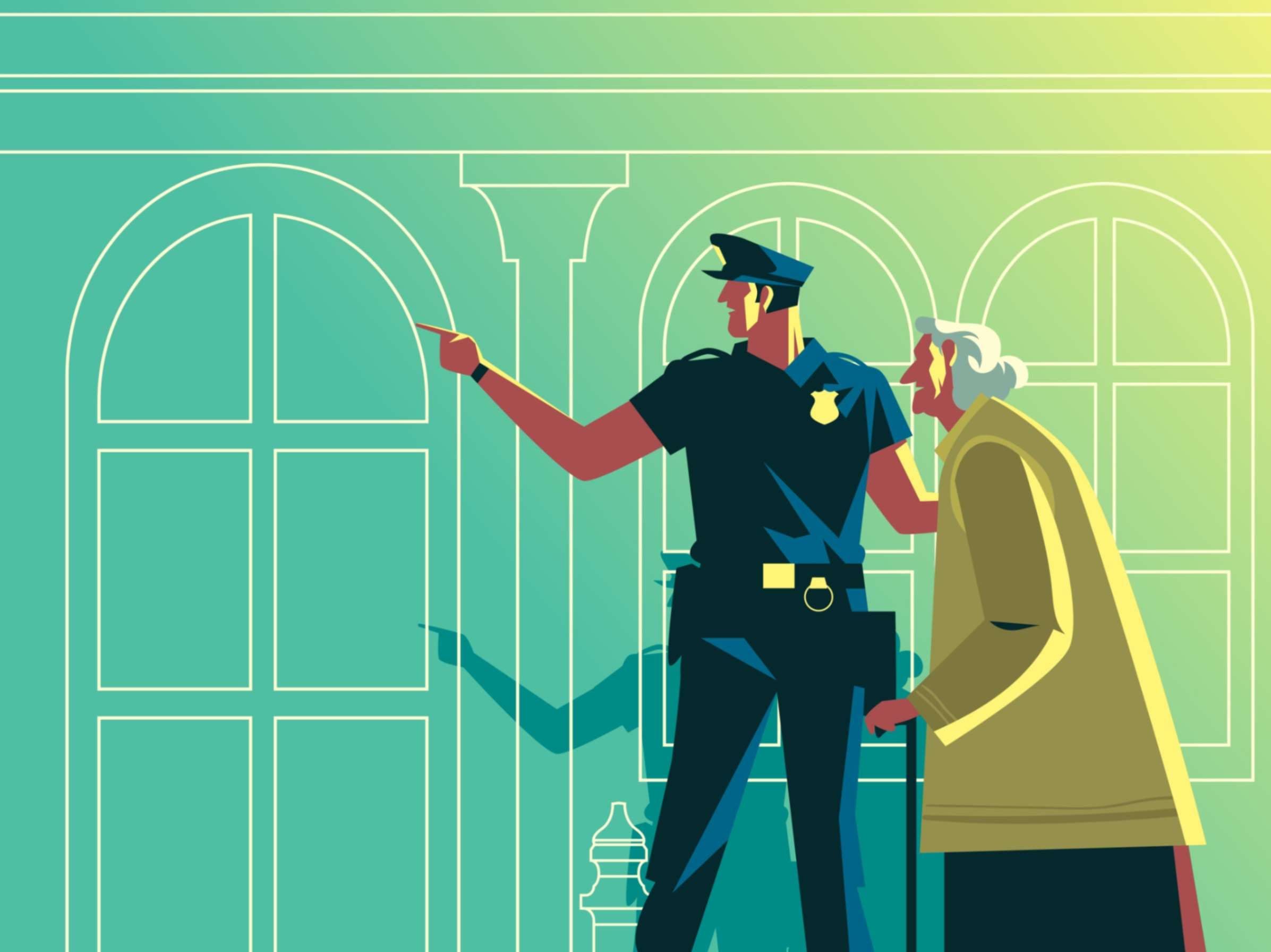
Building that trust is not complicated—but it is demanding. It requires consistency. Visibility. Follow-through.
It looks like:
Officers who are present outside of enforcement actions
Leadership that communicates clearly and honestly, especially when mistakes occur
Policies that are applied fairly and transparently
Trust is not built in press releases. It is built in patterns.
The Role of Leadership
Public safety rises or falls with leadership clarity.
City leaders set the tone not only for departments, but for how departments work together. In high-functioning municipalities, public safety is not siloed—it is integrated.
Law enforcement, fire services, EMS, public works, and city administration operate from shared priorities:
Unified emergency planning
Joint training exercises
Aligned communication strategies
Leadership also determines whether a department is reactive or disciplined. A reactive culture chases problems. A disciplined one anticipates them.
The difference shows up when pressure hits.
Technology Is a Tool, Not a Solution
There is no shortage of technology promising to improve public safety—real-time crime centers, predictive analytics, surveillance systems, automated reporting tools.
These can be valuable. But they are only as effective as the people and processes behind them.
Technology should support:
Better decision-making
Faster information sharing
Greater accountability
It cannot replace judgment, experience, or leadership.
Cities that rely on technology without strengthening their human systems often find themselves overwhelmed by data but short on direction.
Measuring What Matters
Traditional public safety metrics—crime rates, response times, clearance rates—offer useful information, but they do not tell the whole story.
Forward-thinking cities are expanding how they measure success:
Community trust and engagement levels
Reduction in repeat calls for service
Outcomes of de-escalation efforts
Inter-agency coordination effectiveness
These metrics reflect not just activity, but impact.
Because the goal of public safety is not simply to respond well—it is to create conditions where fewer emergencies occur in the first place.
A Steady Presence
The most effective public safety systems are not defined by dramatic moments. They are defined by steadiness.
They are predictable. Disciplined. Reliable.
They show up the same way on a quiet afternoon as they do on the worst day a city faces.
And over time, that steadiness becomes something more than performance.
It becomes confidence.
Call to (Public Safety) Action:
Public safety is not built in the moment of crisis. It is revealed there.
What cities see in those moments is the result of everything that came before—every policy, every conversation, every decision about where to invest time and attention.
The communities that endure are the ones that understand this early.
They do the quiet work first.
Bibliography
U.S. Department of Justice, Office of Community Oriented Policing Services (COPS Office). Community Policing Defined.
Federal Emergency Management Agency (FEMA). Whole Community Approach to Emergency Management.
International Association of Chiefs of Police (IACP). Building Trust Between the Police and the Citizens They Serve.
National League of Cities (NLC). Public Safety and Community Trust Initiatives.
Police Executive Research Forum (PERF). Guiding Principles on Use of Force and De-escalation.
More from Public Safety
Explore related articles on similar topics