Parks as Powerhouses: How Green Spaces Drive Urban Revitalization and Growth
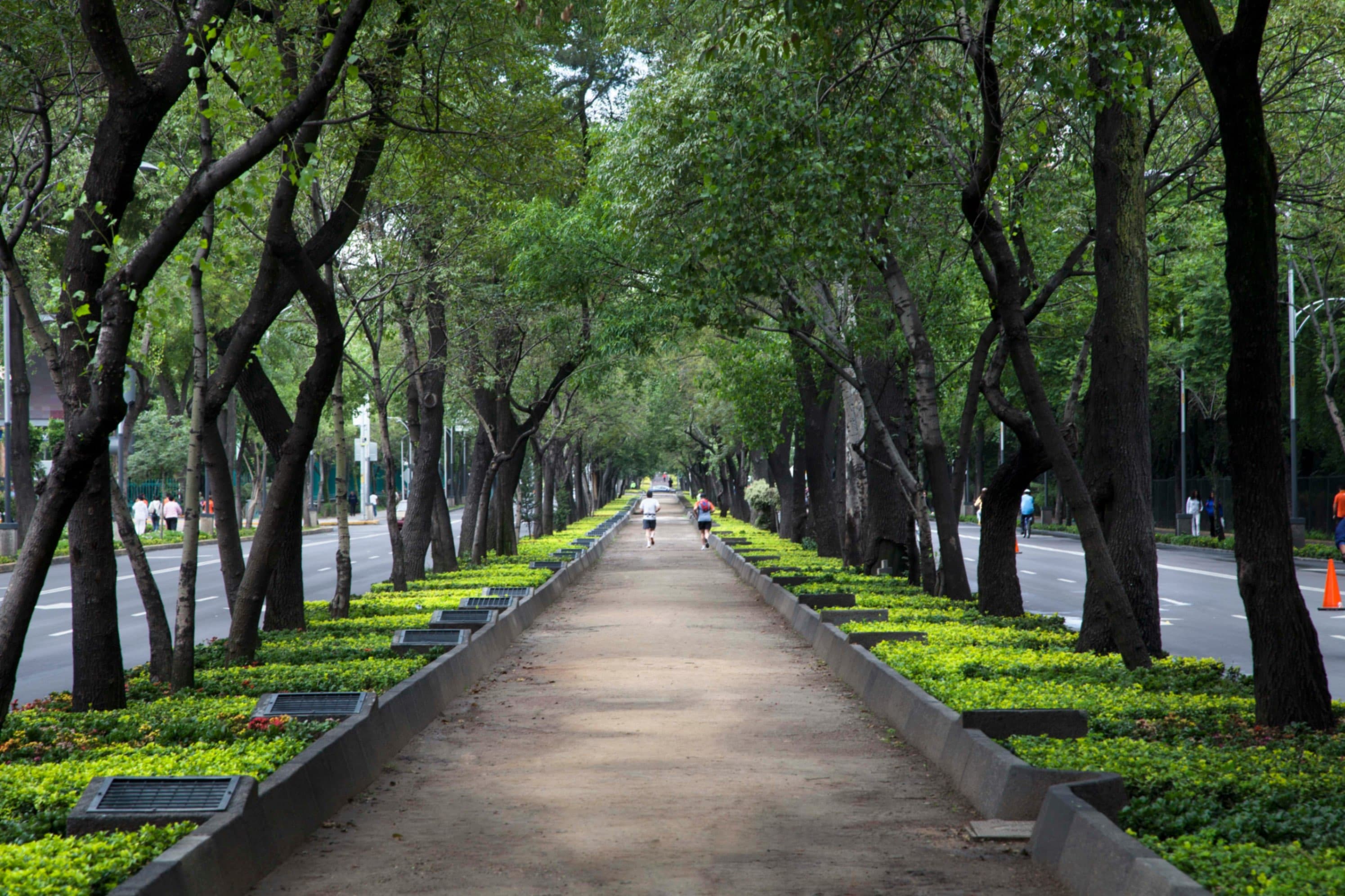
Parks are the stealth powerhouses of city revival. In place after place, it’s not glass towers or tax breaks that flip a neighborhood’s script, but a single well-designed green space that turns empty lots into lively hubs, boosts nearby businesses, and makes people want to stay. By cooling streets, hosting everything from concerts to farmers’ markets, and signaling that a city is serious about quality of life, parks quietly do the hard work of revitalization- bringing new energy, investment, and opportunity to the urban grid.
The Role of Parks in Urban Revitalization
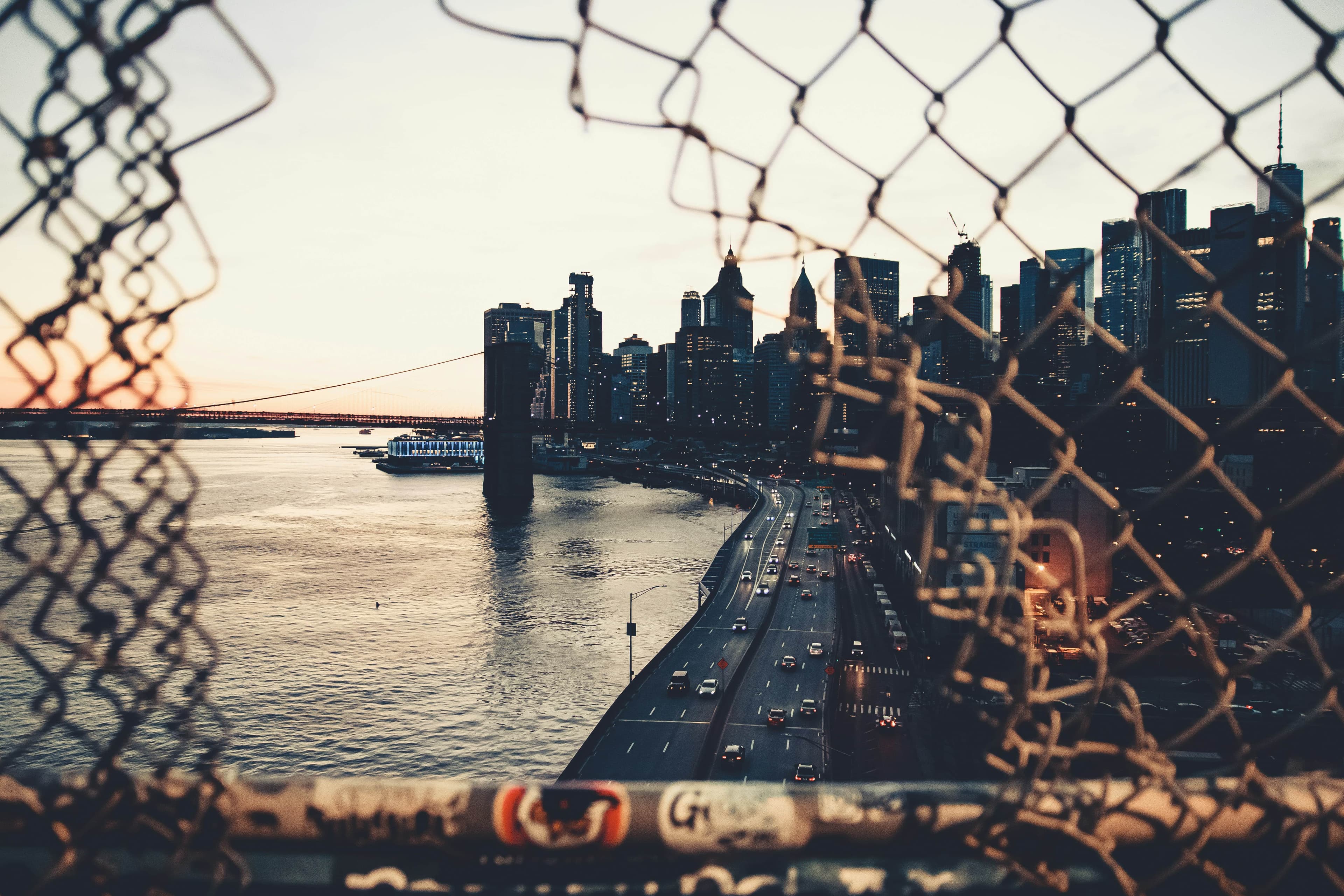
Parks serve as essential catalysts in urban revitalization efforts. When strategically integrated into the urban fabric, they can transform underutilized areas into vibrant community hubs. This not only improves the aesthetic appeal of neighborhoods but also attracts investment by signaling a commitment to improving local living conditions. For instance, the High Line in New York City, a linear park built on a historic freight rail line, has spurred nearby real estate development and increased property values by providing an attractive public space that draws both residents and tourists1. Urban planners and economic developers recognize the potential of parks to stimulate economic activity in surrounding areas. By converting blighted or vacant lands into green spaces, cities can revitalize communities, reduce crime rates, and enhance public safety. Such transformations often lead to increased foot traffic, supporting local businesses and creating job opportunities. Additionally, parks can raise the profile of a city, making it more appealing to potential residents and businesses seeking vibrant, amenity-rich environments2.
Environmental and Economic Synergies
Parks provide significant environmental benefits that contribute to economic development. Green spaces help mitigate urban heat islands, improve air quality, and manage stormwater runoff, reducing the need for expensive infrastructure investments. These environmental improvements make cities more livable and attractive to businesses and residents seeking healthier lifestyles. As a result, companies may be more inclined to establish operations in areas where employees can enjoy access to clean, green environments3. Furthermore, parks can serve as platforms for sustainability initiatives that align with economic goals. Community gardens, renewable energy installations, and ecological restoration projects within parks can showcase a city’s commitment to sustainability, attracting environmentally conscious investors and businesses. These initiatives not only enhance a city’s reputation but also create educational and volunteer opportunities that engage the community and foster a sense of ownership and pride in local development efforts4.
Engaging Communities through Parks
Community engagement is a critical component of successful economic development, and parks offer a unique venue for fostering such connections. By hosting community events, workshops, and recreational activities, parks can strengthen social bonds and build civic pride. These activities can also provide platforms for residents to engage with local government and participate in planning processes, ensuring that development aligns with community needs and desires5. Additionally, parks can serve as incubators for local entrepreneurs. Farmers’ markets, art fairs, and food festivals hosted in park spaces provide opportunities for small businesses to reach new customers and grow. By supporting grassroots economic activity, parks contribute to a more diverse and resilient local economy. This inclusivity not only supports economic growth but also enhances social equity by providing opportunities for all community members to benefit from local development6.
Parks as Economic Engines for Tourism
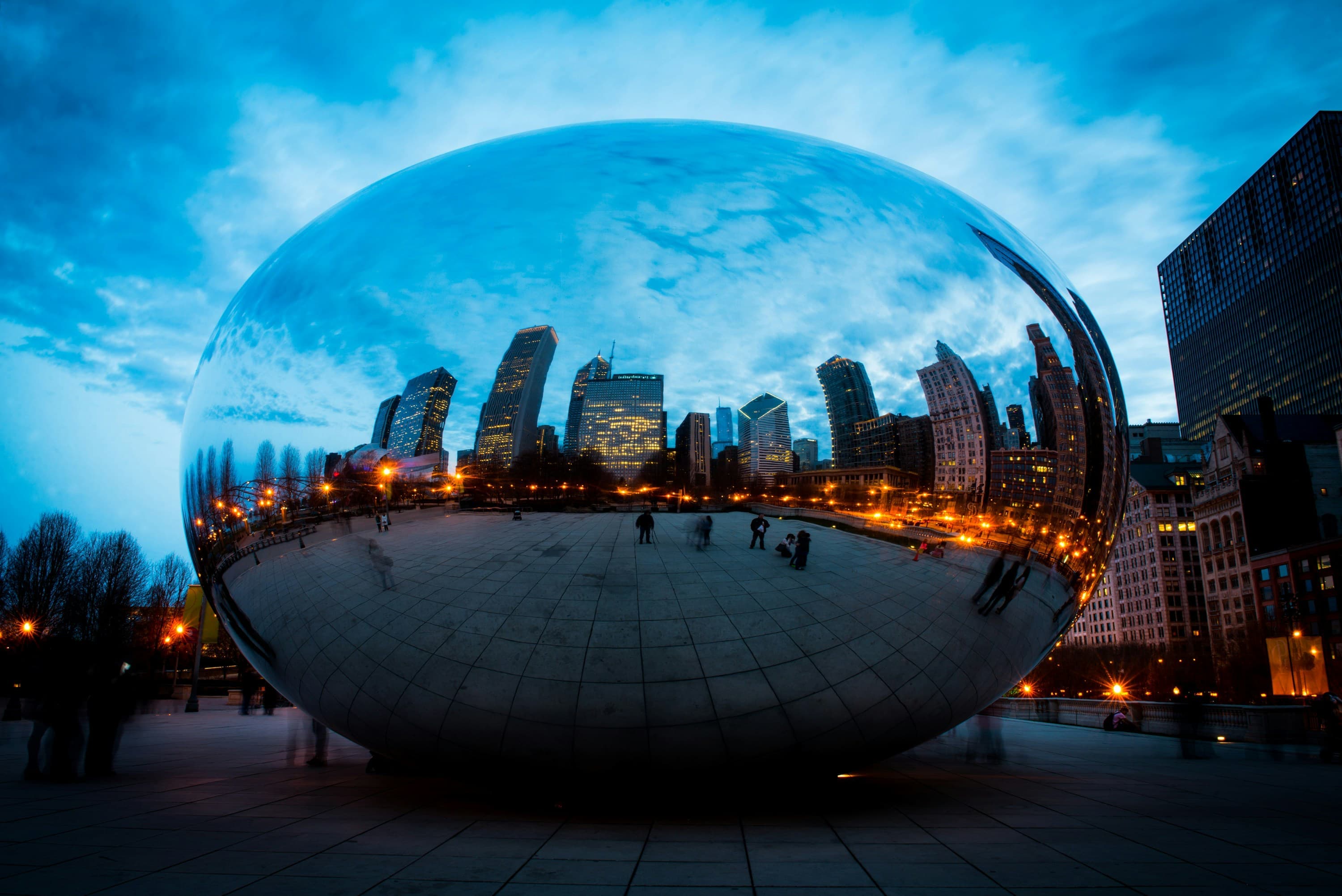
Tourism is a significant driver of economic growth, and parks are key attractions that can draw visitors to a city. By developing signature parks with unique features or events, cities can create destinations that attract tourists and stimulate spending in local hospitality and retail sectors. For example, Millennium Park in Chicago has become an iconic attraction, hosting millions of visitors annually and generating substantial economic impact through tourism and related activities7. In addition to attracting tourists, parks can enhance the visitor experience by providing spaces for relaxation and recreation. Well-maintained and accessible parks contribute to a positive image of a city, encouraging repeat visits and word-of-mouth promotion. As tourists explore park areas, they often visit nearby businesses, increasing sales for local shops and restaurants. This symbiotic relationship between parks and tourism underscores the importance of investing in high-quality, well-managed green spaces as part of an economic development strategy8.
Parks and Workforce Development
Access to parks and recreational facilities is increasingly recognized as a factor in workforce attraction and retention. Quality of life considerations are paramount for workers, particularly those in high-demand fields who have the flexibility to choose their place of employment. Cities that offer attractive parks and recreational amenities are often more successful in attracting top talent, which in turn draws employers seeking to hire skilled workers9. Moreover, parks provide opportunities for skill development and job training. Green jobs related to park maintenance, landscaping, and ecological restoration can offer pathways to employment for local residents. By partnering with educational institutions and community organizations, cities can leverage parks as venues for workforce development programs that equip residents with the skills needed in a changing economy. This approach not only supports local employment but also enhances the capacity of parks to contribute to broader economic objectives10.
Conclusion
Investing in parks as economic development assets offers multifaceted benefits that extend beyond recreation. By enhancing urban environments, supporting community engagement, driving tourism, and contributing to workforce development, parks play a vital role in strengthening local economies. Municipal governments and economic developers should continue to explore innovative ways to integrate parks into broader development strategies, ensuring that these green spaces contribute to long-term prosperity and quality of life in their communities.
Bibliography
1. Lindsey, Greg. "The High Line: New York City’s Park in the Sky." *Journal of Urban Design* 22, no.
2 (2017): 234-250. 2. Trust for Public Land. "The Economic Benefits of Parks and Open Space." (2009).
3. Nowak, David J., and Daniel E. Crane. "The Urban Forest Effects (UFORE) Model: Quantifying Urban Forest Structure and Functions." *General Technical Reports* (2000).
4. Wolch, Jennifer R., Jason Byrne, and Joshua P. Newell. "Urban Green Space, Public Health, and Environmental Justice: The Challenge of Making Cities 'Just Green Enough'." *Landscape and Urban Planning* 125 (2014): 234-244.
5. Putnam, Robert D. "Bowling Alone: America’s Declining Social Capital." *Journal of Democracy* 6, no. 1 (1995): 65-78.
6. Glaeser, Edward L. "The Entrepreneurial City." In *Entrepreneurship and Urban Growth*, edited by Zoltan J. Acs, 25-45. Chicago: University of Chicago Press, 2005.
7. Rosentraub, Mark S., and Christine A. Homans. "Millennium Park and Chicago’s Lakefront: A New Model for Urban Development." *Economic Development Quarterly* 20, no. 2 (2006): 187-200.
8. Law, Christopher M. "Urban Tourism: The Visitor Economy and the Growth of Large Cities." *Tourism Management* 13, no. 3 (1992): 252-253.
9. Florida, Richard. "Cities and the Creative Class." *City & Community* 2, no. 1 (2003): 3-19.
10. Campbell, Scott. "Green Cities, Growing Cities, Just Cities?: Urban Planning and the Contradictions of Sustainable Development." *Journal of the American Planning Association* 62, no. 3 (1996): 296-312.