Ordinary Morning, Extraordinary Loss: A Personal Account of September 11
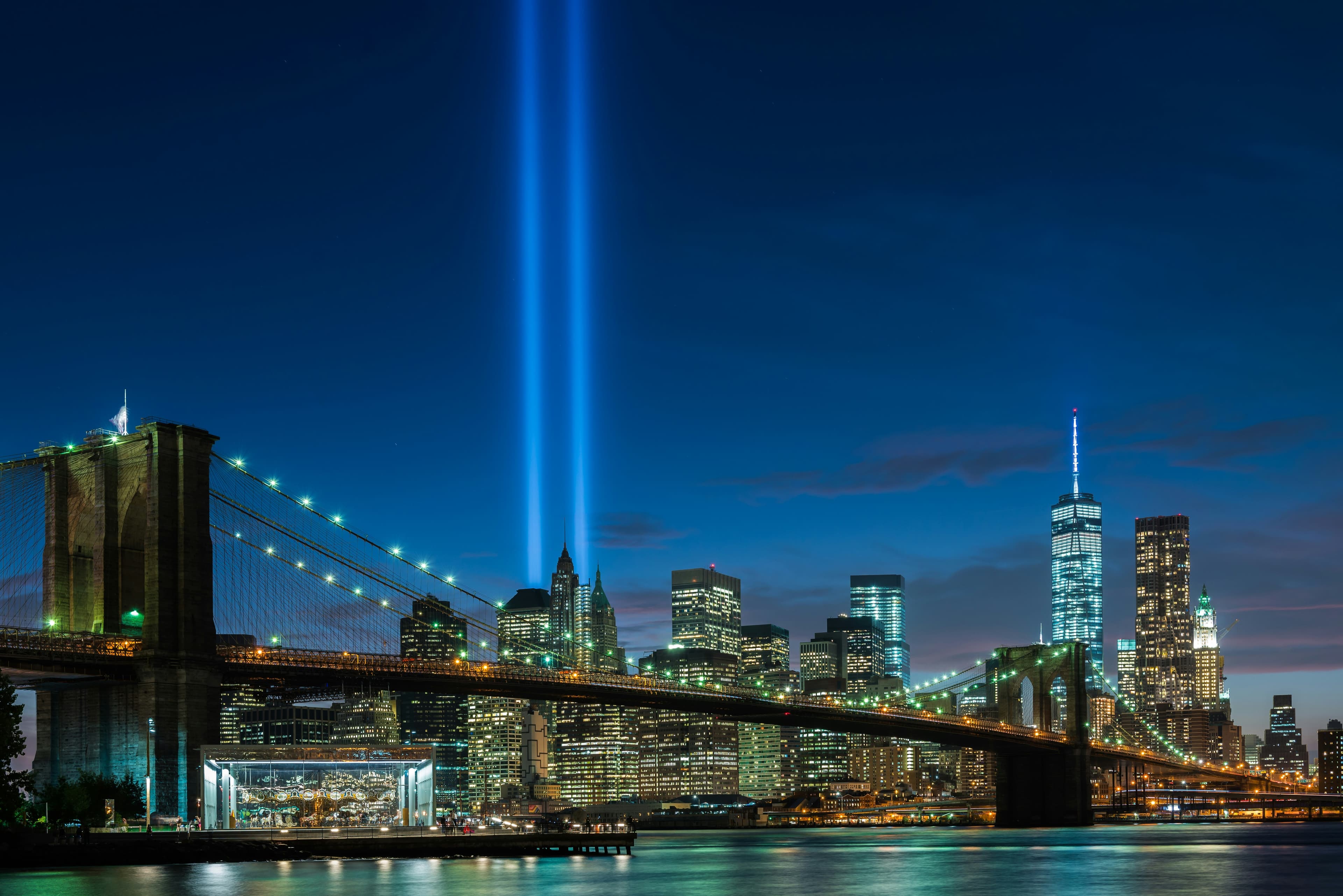
Through My Eyes: A Journey of Resilience in the City That Never Breaks
Twenty-four years can seem like a lifetime and also a blink. For many of us who were there, September 11 is not a date on the calendar; it is a visceral landscape made of smoke and silence and the small sharp things that etch themselves into a lifetime: voices on a street, the weight of a decision made, the brief relief of a hand reunited. This is an account of that day, the lives cut short and the lives that remained, and the relentless, human light that came after.
The day that collapsed time
That morning like any other, and then the world contorted itself in a single, impossible hour. Families moved from ordinary lives to unimaginable loss. In an instant, fathers and mothers, sons and daughters, friends and colleagues, so many names, faces, and stories; taken. The ordinary architecture of life, offices, subways, morning coffee, exchanged for a theater of smoke and falling ash, where minutes felt like eternity and every decision felt final.
I remember it at the Bank of New York on Wall Street, engulfed in a building that smelled like burning and panic. Heavy black smoke filled the hallways; coughing and stumbling, people with tears in their eyes, hands inches apart from one another, survival begging for connection. I stood stranded in that small, bright palette of human panic and thought about the most immediate and important things, my breath, my loved ones, the impossible question of whether I would see another hour.
The most difficult moments, the ones that never disappear
I was engulfed in the most horrible thoughts for hours: my sister worked at Morgan Stanley Dean Witter in the towers, and I couldn’t reach her. I was watching the towers fall. The sound of those collapses, less thunder than the rumble of a mountain breaking inward, turned my stomach to lead. For three full hours, I lived in the raw, naked state of not-knowing. It was a slow, metallic grief, pierced only by brief flickers of hope and the relentless replay of images in my mind.
Then like an exhausted miracle, my sister appeared at our father's job at Con Edison, she missed the train and never made it into work. The relief I felt was a force of nature, as visceral as the fear had been before. But there was a second wave of sorrow that followed: the sobering knowledge that our happiness was sheltered and small, set within the enormity of a national grief. Thousands had no sister to find, no one to call, no warm hand to hold. That juxtaposition - our private relief against public grief - made the day feel both blessed and unbearable.
The face of New York: grief, empathy, and rugged determination
What marked that day was not only destruction but character. New Yorkers are often described as tough; what I saw that day was a tougher compassionate response. Strangers aided strangers, shopkeepers offered water and band-aids, and hundreds of thousands made their way north through streets still thick with ash. There were no heroes, no grand performances, there was only plain, persistent of human courage.
The FDNY, NYPD, port authority officers, first responders, and thousands of volunteers operated in such clarity and bravery it is reserved for the defining human stories. They moved toward danger when others fled, towards death when others sought safety, and their sacrifice defied any obituary we could create individually. Their countenance and names became both a list of loss and a map of honor we return to every time we speak of that day.
The long after: mourning, memory, and reconstruction
Grief did not stop when the fire was out or the debris was removed. It lingered as a collective training in living with absence. People who once measured time by the day and length of their commute now found measure in anniversaries, rituals of remembrance, and the odd ways small habits, an empty chair at dinner, a suit resting on the hook had hold of a person's presence in memory. The city itself became a place of daily remembrance: the street was rebuilt, the towers were rebuilt, and an insistence that things were quite alright. From the ruins came incredible acts of service: neighbors banding together for relief, communities coming together to support families, and an ongoing commitment to teach the future generations the names, the stories, and the lessons of that day.
The resilience that came from the rubble was not an idea, it was choices made millions of times, choosing kindness, choosing to rebuild homes and lives, choosing to remember.
Where the light keeps coming back
Twenty-four years later the sharp pain has softened into a steady ache, but the light that came from September 11 remains. It lives in the small courtesies New Yorkers extend towards each other without thinking. It lives in the memorials where people stop to name and to mourn. It lives in the children of those who were lost who grow up to live lives of unexpected tenderness and service. It lives in a city that, after being undone, was able to learn once again how to hold itself together.
We remember the dead and we honor the living by how we answer the question that day posed to everyone: what matters when everything else falls away? The answer given by many that day was clear, care for each other, stand when someone falls, and build something that cannot be erased.
In the end, the story that matters is not just the story of loss but the story of return: of people walking from South Street Seaport to Union Square, of a sister showing up alive at a father's workplace, of firefighters and officers who ran toward smoke. These images carry us forward. They are the threads from which a future is woven.
We will carry the memory as long as we live. We will carry the names, faces, and lessons. And we will keep choosing, to be kind, to be brave, and to keep rebuilding. The grief remains. So does the courage. So does the hope. Together, they form a promise: life, fragile and fleeting, is still worth holding, together.






Join the discussion
Members can read and add comments on every article.