One Voice, Many Channels: How Consistent Messaging Builds Public Trust

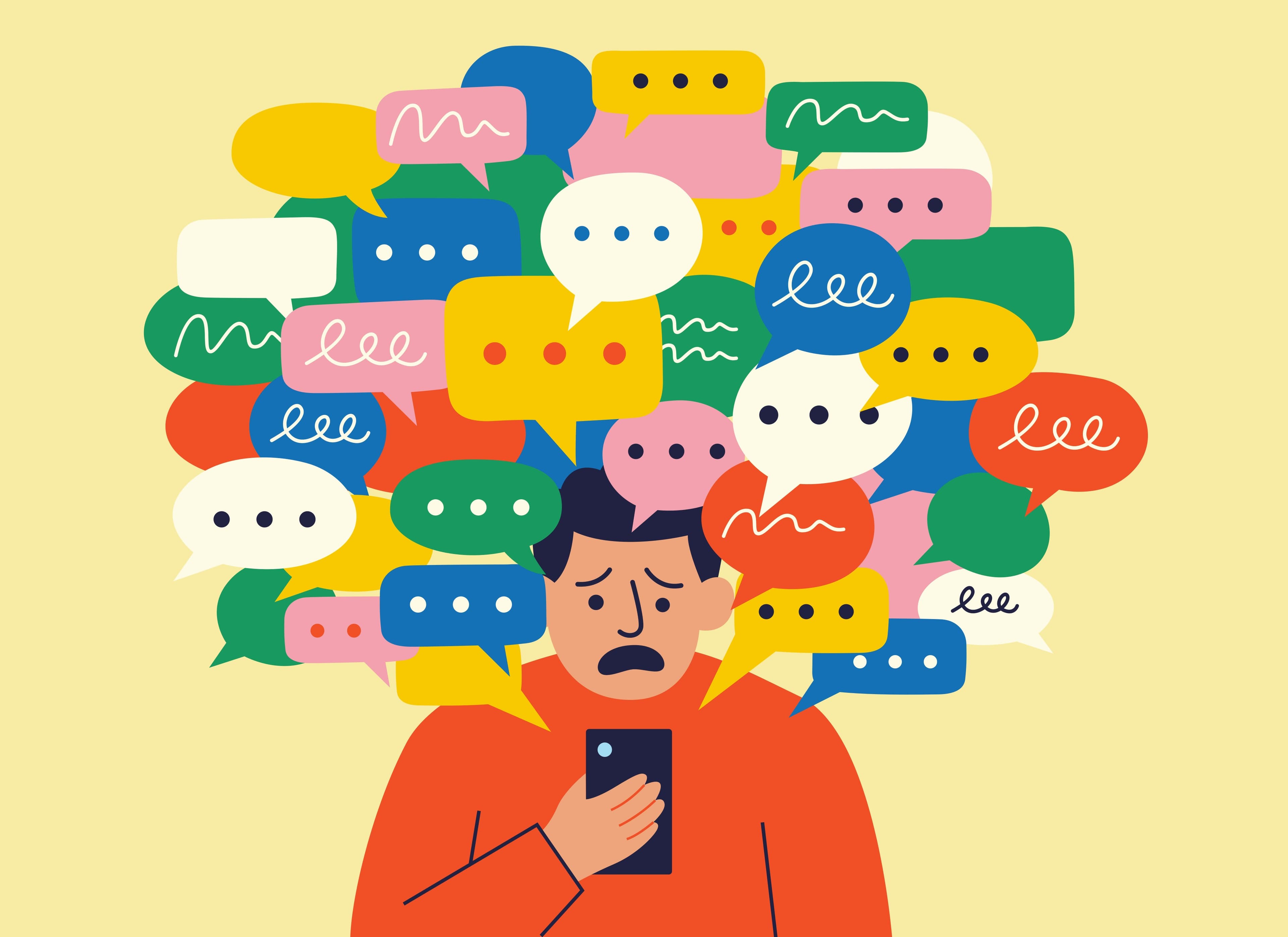
One of the most important lessons I've learned in municipal media strategy is that consistency builds credibility. Whether the message is delivered through a tweet, a press conference, or a printed newsletter, it should reflect a unified voice and tone that aligns with the municipality's values and priorities. Inconsistent messaging can confuse residents and erode their trust in leadership. To avoid this, we develop editorial calendars, style guides, and message frameworks that keep all departments aligned. These tools help ensure that when Public Works posts on social media or the City Manager gives an interview, the core message is coherent and reinforces the same goals.
Consistency also applies to visual identity and messaging cadence. For instance, maintaining a regular schedule for community updates fosters predictability, which residents appreciate. According to the National League of Cities, municipalities that adopt a standardized communication approach are more likely to see increased public participation and satisfaction with local government services¹. When residents know when and how to expect updates, they are more inclined to engage, respond, and share those messages within their own networks. This ripple effect enhances both reach and relational trust.
Two-Way Communication Builds Trust
Effective messaging in local government is not just about broadcasting information; it's about listening and responding. Two-way communication builds deeper trust and allows us to refine our messaging based on real-time feedback. This is particularly crucial during crises, when residents are seeking immediate, accurate, and empathetic responses. Instead of relying solely on one-way announcements, we use community forums, social media engagement, and digital surveys to invite residents into the conversation. This approach turns messaging into a dialogue rather than a directive.
Research from the International City/County Management Association (ICMA) supports this strategy, indicating that municipalities with active feedback loops are better equipped to address misinformation and community concerns². We’ve had success using neighborhood-based listening sessions and online comment platforms to fine-tune messaging about zoning changes, infrastructure projects, or emergency preparedness. These forums not only help clarify what information residents are missing but also signal that their voices matter in shaping local narratives.
Messaging for Diverse Audiences
One of the biggest challenges in municipal messaging is serving a linguistically and culturally diverse population. In our city, more than 40% of households speak a language other than English at home. To meet this need, every major communication effort includes translated materials, multilingual press releases, and culturally appropriate imagery. We don’t rely on automated translation tools alone. Instead, we work with community liaisons and certified translators who understand the nuances of language and culture to ensure that our messages are both accurate and respectful.
The U.S. Census Bureau reports that nearly 67 million U.S. residents speak a language other than English at home³. Ignoring these audiences is not only inequitable but also ineffective. We’ve found that partnering with ethnic media outlets and trusted community organizations helps extend our reach. For example, when promoting COVID-19 vaccination efforts, we collaborated with local Spanish-language radio stations and Vietnamese community centers to share targeted messages. This resulted in higher engagement rates and better public health outcomes, demonstrating the value of inclusive messaging strategies.
Strategic Crisis Communication
During emergencies, messaging must be timely, transparent, and tightly coordinated. Residents are looking for clear instructions and reassurance from their local leaders. That’s why we maintain a crisis communication plan that outlines roles, approval workflows, and key message templates. This ensures that we can respond quickly without sacrificing accuracy. Our communications team runs annual drills with emergency management and public safety departments to keep everyone prepared for real-time response.
The Federal Emergency Management Agency (FEMA) recommends that local governments use a Joint Information System (JIS) to coordinate messaging across agencies during emergencies⁴. We follow this guidance by designating a lead spokesperson and centralizing our updates through a single communication hub. This approach minimizes confusion and allows us to swiftly correct misinformation. During a recent severe weather event, using a centralized messaging approach allowed us to provide hourly updates, respond to resident questions, and maintain calm throughout the response period.
Data-Informed Messaging Decisions
Our messaging strategies are increasingly driven by data. Social media analytics, website traffic reports, and resident feedback surveys all inform what we say and how we say it. For example, if we see that a certain post about recycling guidelines has a high engagement rate but a high number of questions, we know the message was compelling but unclear. We revisit the language, clarify the call to action, and follow up with a video or graphic to reinforce the message. This iterative approach improves comprehension and reduces frustration among residents.
The Pew Research Center indicates that data-driven decision-making in communications leads to more targeted outreach and better use of limited resources⁵. In practice, that means we segment our messages based on neighborhood demographics, preferred communication channels, and historical engagement patterns. For example, younger residents may prefer Instagram stories with concise, graphic-heavy content, while older residents may respond better to printed newsletters or town hall meetings. Tailoring the message format to the audience increases the likelihood of meaningful engagement.
Empowering Staff as Messengers
Frontline staff, from building inspectors to librarians, often serve as de facto messengers for the city. Their interactions with residents shape perceptions just as much as official press releases. That’s why we invest in basic media and messaging training across departments. Staff are coached on how to explain policies in plain language, how to handle tough questions, and when to refer inquiries to communications staff. This distributed messaging model ensures that the city speaks with one voice, regardless of who is delivering the information.
According to the Center for Government Excellence at Johns Hopkins University, empowering staff with communication skills improves service delivery and strengthens institutional trust⁶. When residents hear consistent, clear explanations from every city representative they encounter, they begin to feel more informed and respected. We’ve seen this firsthand in our permitting office, where improved messaging training led to a 15% drop in complaints and a noticeable increase in positive feedback. Aligning internal and external messaging is not a luxury—it’s a necessity for effective governance.
Conclusion: Messaging as a Civic Connector
Messaging in municipal government is not simply a function of public relations; it is a cornerstone of democratic engagement. When done well, it helps residents make informed decisions, participate in civic life, and feel a sense of belonging in their communities. The goal is not to control narratives, but to foster trust through transparency, empathy, and inclusion. Every message is an opportunity to connect, clarify, and contribute to a more engaged and informed public.
As practitioners, we must continue refining our messaging strategies with the input of our communities and the guidance of data. We must train our teams, collaborate across departments, and remain responsive to the evolving needs of our residents. When we treat messaging as an act of public service, we increase our capacity to lead effectively and ethically in the face of both everyday operations and extraordinary challenges.
Bibliography
National League of Cities. "Communications Strategies for Cities: Building Trust and Engagement." Accessed May 2024. https://www.nlc.org/resource/communications-strategies-for-cities/.
International City/County Management Association. "Digital Engagement: Best Practices for Local Government." ICMA, 2023. https://icma.org/articles/digital-engagement-best-practices-local-government.
U.S. Census Bureau. "Language Spoken at Home: 2022 American Community Survey." Accessed May 2024. https://www.census.gov/data/tables/2022/demo/2000-language.html.
Federal Emergency Management Agency. "Emergency Management Institute: Joint Information System." FEMA, last modified 2023. https://training.fema.gov/programs/emischool/el361toolkit/assets/jis.pdf.
Pew Research Center. "How Americans Get News: Local TV and Social Media Remain Popular." Pew Research Center, 2022. https://www.pewresearch.org/journalism/2022/12/01/how-americans-get-news/.
Center for Government Excellence at Johns Hopkins University. "Building Communication Capacity in Local Government." GovEx, 2023. https://govex.jhu.edu/resource/building-communication-capacity/.