Not Just an App: How AI and Community Partnerships Are Redefining Care
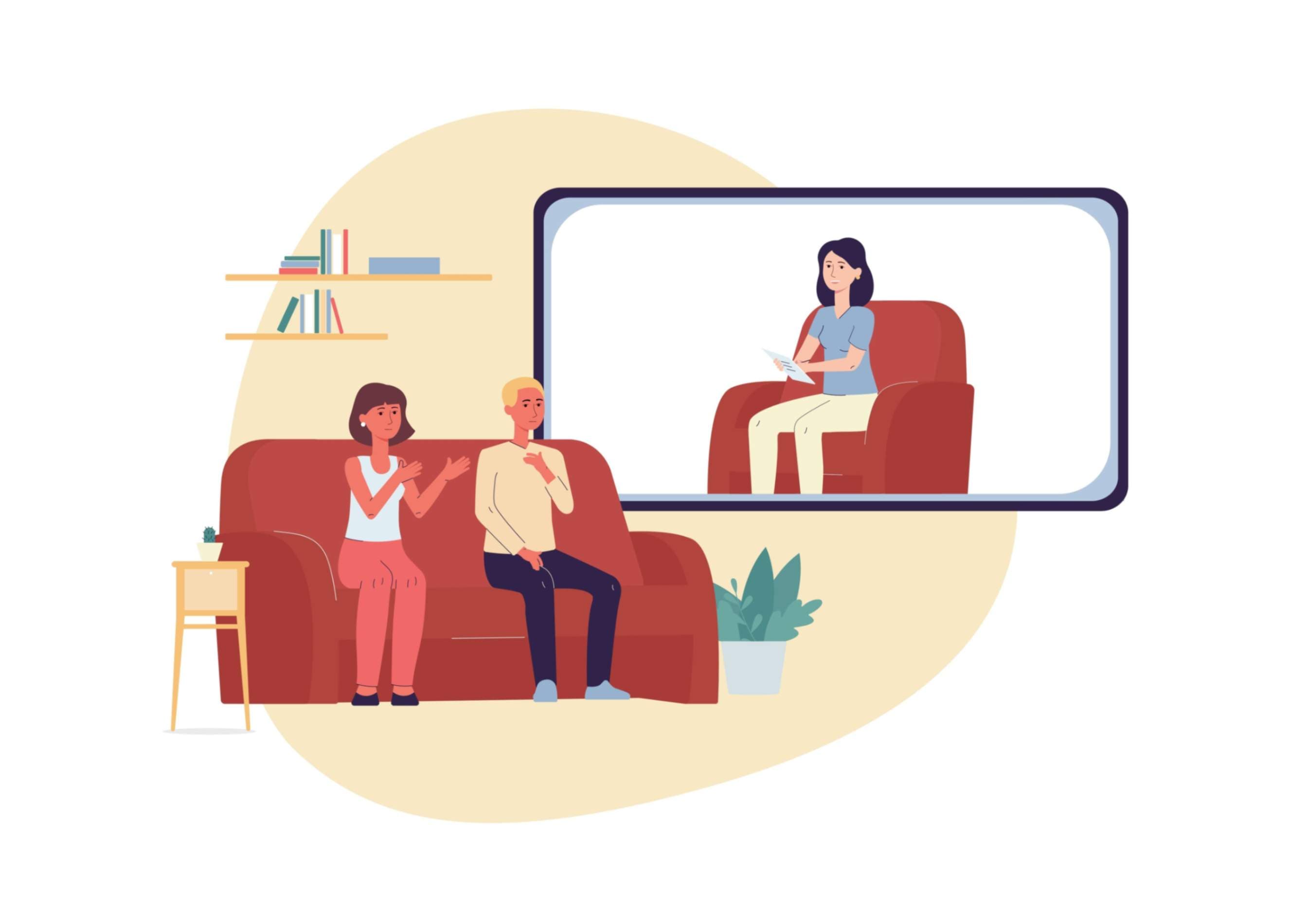
A text message at 2:00 a.m. should not be the closest thing someone has to support. Yet for many people, especially in fast-paced cities like New York, moments of stress and isolation do not wait for office hours. The question is no longer whether communities need better mental health support. The question is how quickly we can build systems that meet people where they are.
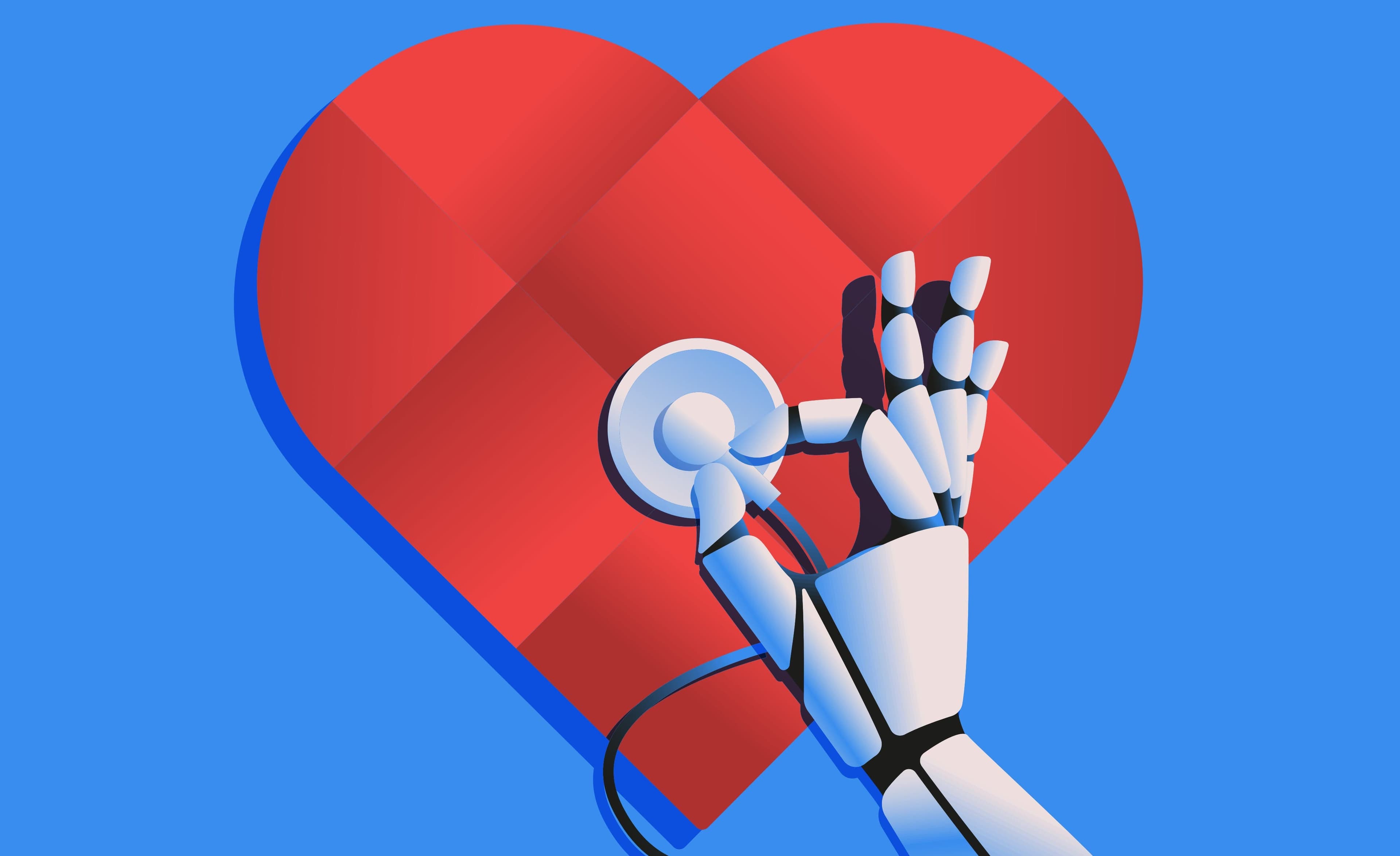
One emerging answer is artificial intelligence. AI wellness coaches are quietly reshaping how support is delivered, offering immediate, around-the-clock guidance for stress management, healthier habits, and emotional resilience. Unlike traditional systems that often require appointments and long wait times, these tools are always available, responding in real time when someone needs help most. They can also learn from interactions, tailoring advice and flagging when a user may need professional intervention. When thoughtfully implemented, this kind of technology does more than increase access. It removes friction, lowers stigma, and makes care feel approachable.
But technology alone is not a solution. Its effectiveness depends on how intentionally it is designed. Inclusivity cannot be an afterthought. AI systems must reflect the communities they serve, offering multilingual support and accounting for cultural nuance. Collaboration with licensed mental health professionals is equally critical to ensure guidance is accurate, ethical, and grounded in real-world practice. When done right, AI becomes less of a tool and more of a trusted extension of community care.
Community-Based Initiatives for Health and Mental Wellness
Even the most advanced technology cannot replace the power of human connection. Walk into a local community center on a weekday evening and you might find a parenting workshop, a yoga class, or a support group where strangers become allies. These spaces matter because they create belonging, and belonging is a powerful antidote to isolation.
Community-based initiatives bring wellness to life in tangible ways. Workshops on nutrition, group fitness programs, and peer-led discussions help people build habits that support both mental and physical health. They also normalize conversations that many still find difficult to start. A simple conversation at a neighborhood event can often open the door to seeking help.
Partnerships amplify this impact. When local governments collaborate with nonprofits, faith-based organizations, and grassroots groups, they unlock deeper trust and broader reach. These partnerships allow programs to address both prevention and response, helping individuals not only recover from challenges but build resilience before crises emerge.
Policy Development and Government Support
Sustainable change requires more than good intentions. It requires policy that prioritizes mental health as essential infrastructure rather than an optional service. That means consistent funding, integrated care models, and clear accountability.
Embedding mental health services into primary care is one of the most effective ways to expand access. When support is part of routine healthcare, it becomes normalized and easier to reach. At the same time, training public servants and community leaders to recognize early signs of distress can transform everyday interactions into opportunities for intervention.
Equally important is the role of government in shaping public perception. Policies that promote openness and education help dismantle stigma, making it easier for individuals to seek help without fear of judgment. Culture shifts when leadership signals that mental health matters.
The Role of Public-Private Partnerships
Innovation often accelerates at the intersection of sectors. Public-private partnerships bring together the reach of government and the agility of industry, creating opportunities that neither could achieve alone.
Private companies can contribute advanced technologies, funding, and scalable solutions, while governments provide structure, oversight, and community access. Together, they can expand digital tools, enhance service delivery, and create programs that are both efficient and human-centered.
One of the most practical applications of this collaboration is in the workplace. Employers are increasingly recognizing that mental wellness directly impacts productivity, retention, and overall performance. By working with local governments, businesses can implement wellness programs that support employees while strengthening the broader community. A mentally healthy workforce is not just a corporate asset. It is a public good.
Future Directions for Health and Mental Wellness Initiatives
The next phase of community wellness will be shaped by data, adaptability, and participation. Data analytics can help leaders understand what is working, where gaps exist, and how to allocate resources more effectively. Evidence-based strategies ensure that programs evolve alongside the needs of the population rather than lag behind them.
Equally important is community voice. Residents are not just recipients of services. They are co-creators of solutions. Inviting feedback, involving diverse perspectives, and empowering local leadership ensures that initiatives are relevant and impactful.
Strong communities are not built through isolated efforts. They are built through networks of support that reinforce one another. Technology, policy, partnerships, and grassroots action must operate in sync, creating an ecosystem where individuals feel seen, supported, and capable of thriving.
Call to Action for Comprehensive Wellness
The blueprint is clear. The tools exist. What remains is the willingness to act with urgency and intention. Whether you are a city leader shaping policy, a manager influencing workplace culture, or someone just beginning your career, you have a role in building a healthier community.
Start small but start now. Advocate for one new initiative. Champion one conversation about mental health. Support one partnership that expands access. Change rarely begins with sweeping reform. It begins with consistent, deliberate action.
The future of community well-being is not something to wait for. It is something to build. The next move belongs to you.
References
Smith, John. 2022. “Artificial Intelligence in Public Health Services.” Journal of Community Health Management 14, no. 2: 110–125.
Johnson, Emily. 2021. “Designing Inclusive AI Systems for Health.” Health Technology and Society 7, no. 4: 45–59.
Brown, Lisa. 2023. “Community-Based Approaches to Mental Health.” Community Development Journal 39, no. 3: 200–215.
Green, Andrew. 2021. “Collaborative Health Initiatives: Public and Non-Profit Partnerships.” Health Affairs 30, no. 5: 102–117.
Lee, Charlotte. 2020. “Training Public Servants in Mental Health Awareness.” Government Leadership Quarterly 12, no. 2: 55–68.
Martin, Robert. 2021. “The Role of Private Sector in Public Health.” Business and Public Health Review 18, no. 3: 120–133.
White, Sarah. 2022. “Policy Frameworks for Mental Health Integration.” Public Policy and Administration 22, no. 1: 78–93.