Lights, Camera, Economy: Broadway’s Influence on Global Tourism
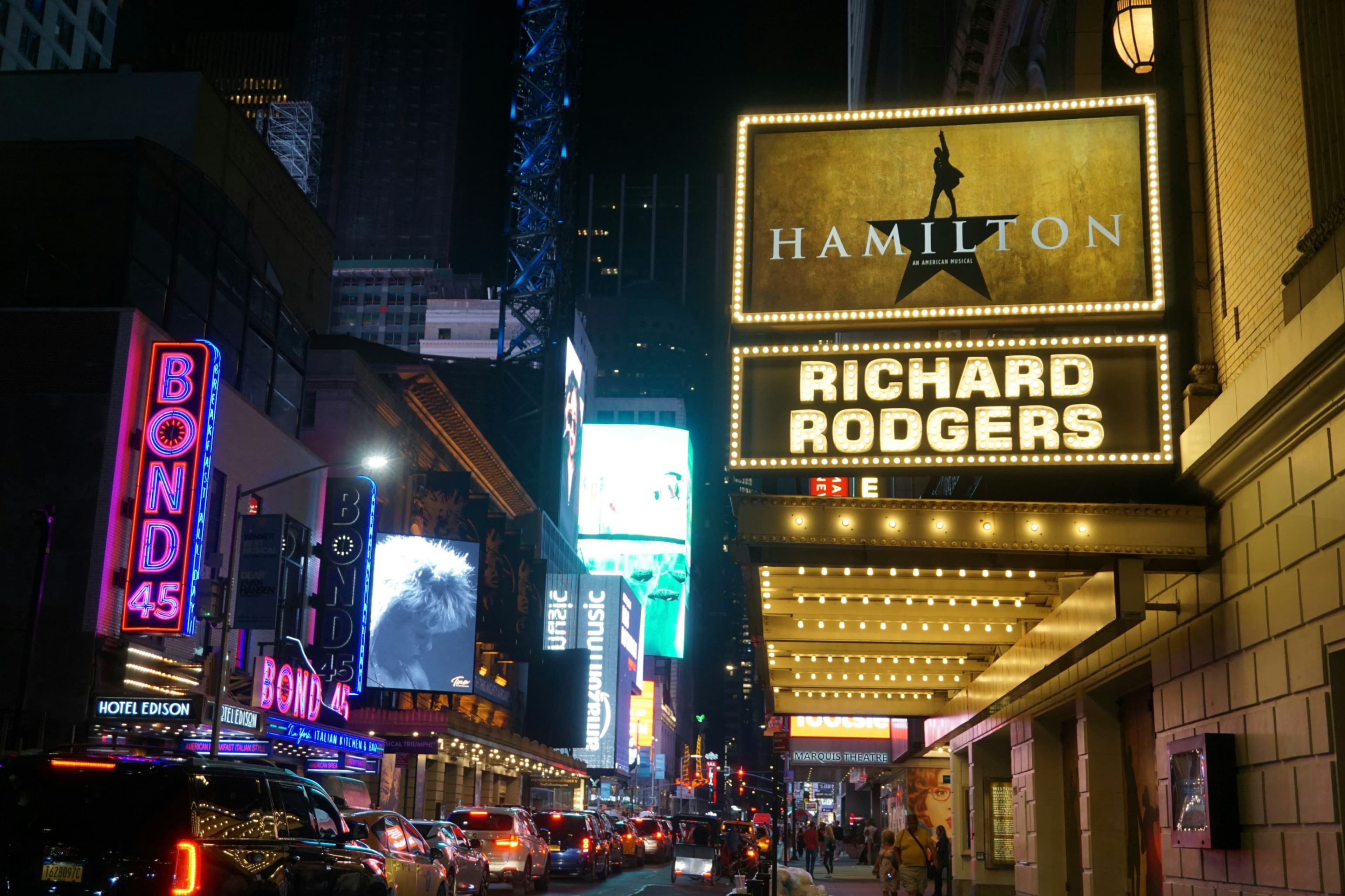
Broadway is not just a cultural icon - it is a powerful economic engine for New York City. Tourists travel from every continent to experience world-class productions, and their expenditure extends far beyond the ticket itself. According to a 2019 report by The Broadway League, tourists accounted for 65 percent of Broadway's total audience, with international visitors making up 19 percent of that figure. These visitors often stay multiple nights, contributing significantly to the hospitality sector through hotel bookings, restaurant dining, and local transportation services such as taxis, rideshares, and subway fares1.
The economic ripple effect of Broadway tourism is substantial. The Broadway League estimated that during the 2018-2019 season, Broadway contributed approximately $14.7 billion to the New York City economy, supporting over 96,000 jobs and generating $1.8 billion in taxes for the city and state governments1. This level of economic activity is not limited to the theater industry alone but supports a broad range of sectors including retail, food services, and travel infrastructure. For city administrators and economic development officials, investing in the performing arts can serve as a proven strategy to attract both domestic and international tourism.
National Tours and Regional Economic Impact
While Broadway is the flagship, national tours of Broadway productions significantly influence the economies of smaller and mid-sized cities across the United States. Touring shows bring professional-grade theater to communities that might not otherwise have access to such performances, drawing audiences from surrounding areas and stimulating local economic activity. According to a 2019 report by Americans for the Arts, the average arts attendee spends $31.47 per person, per event, not including the cost of admission. This includes spending on meals, lodging, parking, and retail purchases, all of which benefit local businesses2.
Cities such as Cleveland, Minneapolis, and Charlotte have reported measurable economic boosts from hosting national touring productions through their performing arts centers. These events often fill local hotels and restaurants, particularly when shows run for multiple days or weeks. For city governments, supporting a robust touring theater schedule can help advance tourism strategies, promote cultural engagement, and provide a return on investment through sales tax revenues and job creation. Additionally, these tours often partner with local civic institutions, such as schools and libraries, to offer educational outreach and community programming, expanding their value beyond the stage2.
Job Creation and Workforce Development
The performing arts sector generates employment not only for actors and directors but also for a wide range of skilled workers including stagehands, costume designers, carpenters, lighting technicians, and marketing professionals. According to the U.S. Bureau of Economic Analysis, the arts contributed $877 billion to the U.S. economy in 2021, representing 4.2 percent of GDP and supporting 5.2 million jobs nationally3. In cities with a strong theater presence, this translates into real employment opportunities for both creative and operational roles.
Municipal leaders can leverage this job creation potential by investing in workforce development programs tailored to the performing arts. Partnerships between arts organizations, community colleges, and vocational schools can develop training pipelines in technical theater, stagecraft, and arts administration. For example, cities like Chicago and Los Angeles have piloted apprenticeship programs that place young adults in backstage roles, helping to diversify the industry and provide career paths in the arts sector4. These initiatives not only support economic development but also ensure that local talent is prepared to meet the demands of a growing arts economy.
Arts Infrastructure as a Civic Asset
Investment in theater infrastructure - such as performance spaces, rehearsal studios, and production facilities - can serve as a catalyst for broader urban development. Renovating historic theaters or building new venues often spurs adjacent private investment, including new restaurants, retail stores, and mixed-use developments. A study by the Urban Institute found that arts and cultural facilities often anchor revitalization efforts in downtown areas, contributing to neighborhood identity and economic resilience5.
For city planners, arts infrastructure should be treated as a core component of urban design and economic strategy. This includes not only large-scale venues but also smaller black box theaters and community performance spaces that offer local artists opportunities to perform and experiment. Zoning policies, tax incentives, and grant programs can all be used to support this infrastructure, ensuring that it remains accessible and financially sustainable. Theaters, when strategically developed, can turn previously underutilized blocks into vibrant cultural corridors.
Equity and Accessibility in the Performing Arts
Expanding access to high-quality theater is not only a cultural imperative but an economic one. When more residents and visitors can participate in the arts, the economic benefits are more broadly distributed. Initiatives such as discounted ticket programs, community partnerships, and regional touring efforts help remove barriers to participation. For instance, programs like "Broadway in Chicago" offer rush tickets and student discounts that make shows accessible to a wider audience, encouraging repeat attendance and greater community engagement6.
City governments can support these efforts by funding outreach initiatives and collaborating with local arts organizations to ensure inclusive programming. Accessibility also includes physical infrastructure - such as ADA-compliant venues and affordable transportation to performance spaces. These considerations help ensure that the economic and social benefits of theater are shared across diverse demographic groups, supporting both equity and long-term audience development. A more inclusive arts ecosystem is also more resilient, capable of weathering changes in demographics and consumer behavior.
Strategic Policy Recommendations for City Leaders
For municipal leaders looking to harness the economic power of theater and the arts, a multi-pronged strategy is essential. First, cities should invest in sustaining and expanding their cultural infrastructure through capital improvement grants and public-private partnerships. Second, integrating arts into tourism and economic development plans can enhance marketing efforts and attract new visitors. Cities like San Francisco and Seattle have successfully incorporated the arts into their destination branding efforts, drawing culturally-minded tourists5.
Third, workforce development in the arts should be prioritized through targeted training programs and partnerships with educational institutions. Fourth, equitable access must be addressed through programming support, transportation subsidies, and community engagement efforts. Finally, consistent data collection and impact evaluation are necessary to quantify the benefits of theater investments and inform future policy. By treating the performing arts as a critical sector within the urban economy, city leaders can unlock significant cultural and financial returns for their communities.
Bibliography
The Broadway League. "Broadway's Economic Contribution to New York City 2018-2019." Accessed May 2024. https://www.broadwayleague.com/research/statistics-broadway-nyc/.
Americans for the Arts. "Arts & Economic Prosperity 5: The Economic Impact of Nonprofit Arts and Cultural Organizations and Their Audiences." 2019. https://www.americansforthearts.org/by-program/reports-and-data/research-studies-publications/arts-economic-prosperity-5.
U.S. Bureau of Economic Analysis. "Arts and Cultural Production Satellite Account, U.S. and States, 2021." March 2023. https://www.bea.gov/news/2023/arts-and-cultural-production-satellite-account-us-and-states-2021.
National Endowment for the Arts. "Creative Forces: Community Engagement and Workforce Development." 2022. https://www.arts.gov/initiatives/creative-forces/community-engagement-and-workforce-development.
Urban Institute. "Cultural Vitality in Communities: Interpretation and Indicators." 2006. https://www.urban.org/research/publication/cultural-vitality-communities.
Broadway in Chicago. "Ticket Information." Accessed May 2024. https://www.broadwayinchicago.com/ticket-information/.
More from Theatre and the Arts
Explore related articles on similar topics