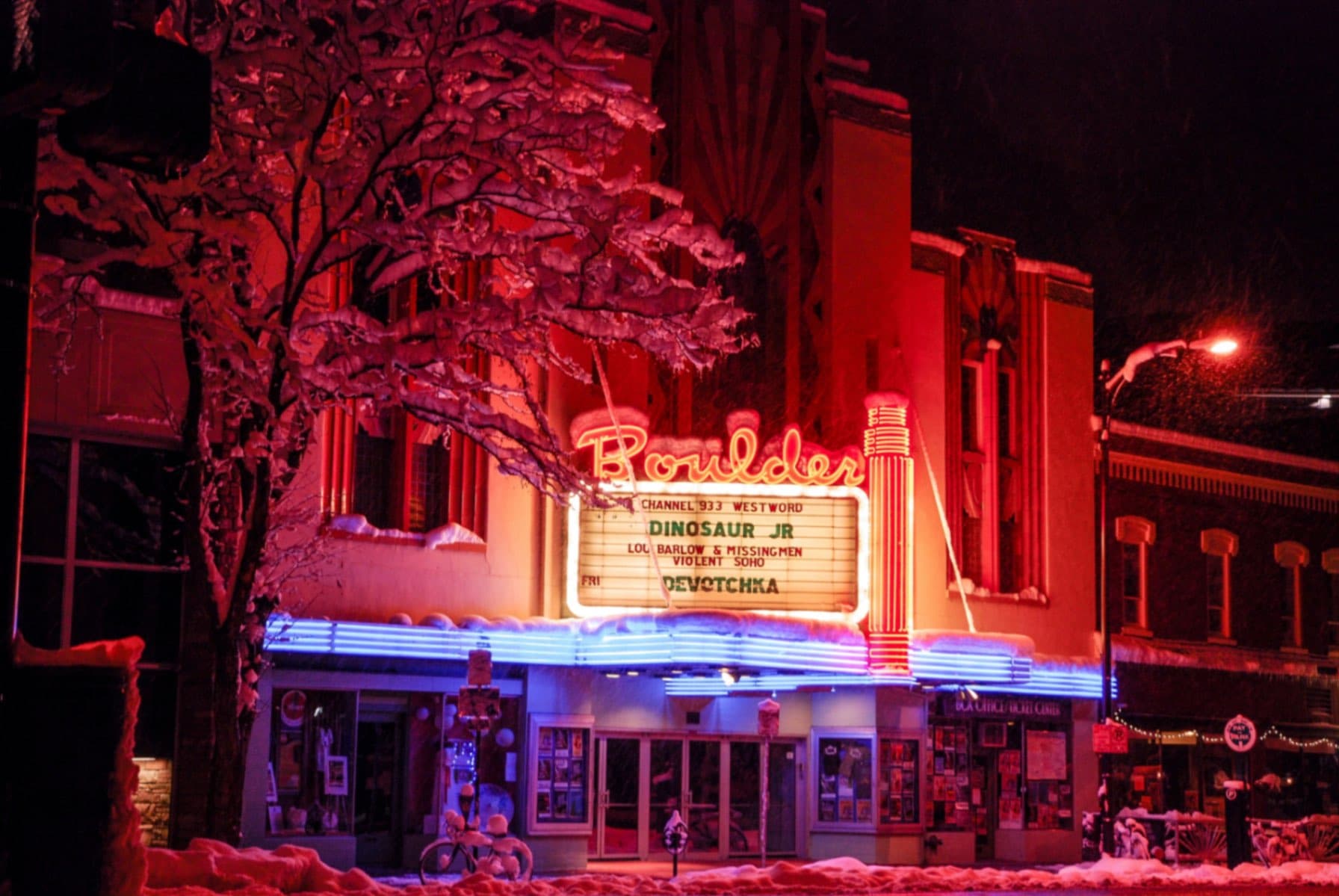
Brushstrokes of Belonging: How the Arts Strengthen Community Wellbeing
Engaging in creative hobbies such as theatre, painting, writing, or music can significantly enhance an individual’s sense of balance and mental clarity. These activities offer a break from routine obligations and allow individuals to express emotions, explore new ideas, and build personal confidence. For example, community theatre programs provide both participants and audiences with opportunities for emotional connection and shared storytelling, which are essential components of social cohesion. Studies have shown that participation in the arts is correlated with lower levels of stress and improved mental health outcomes, particularly when those activities are accessible in local settings like libraries, recreation centers, and schools1.
From a governance perspective, supporting creative outlets can be an effective method to improve public health without relying solely on clinical interventions. Local governments that invest in creative infrastructure - such as art studios, black box theatres, and public murals - often see increased community engagement and decreased isolation among residents. These initiatives do not need to be expensive or large-scale to be impactful. Even small programs, like weekend playwriting workshops or open mic nights at the local library, can serve as vital outlets for expression and relaxation. When structured with community input, these programs can align with the specific needs of diverse populations, making them both inclusive and sustainable2.
Theatre as a Community Anchor
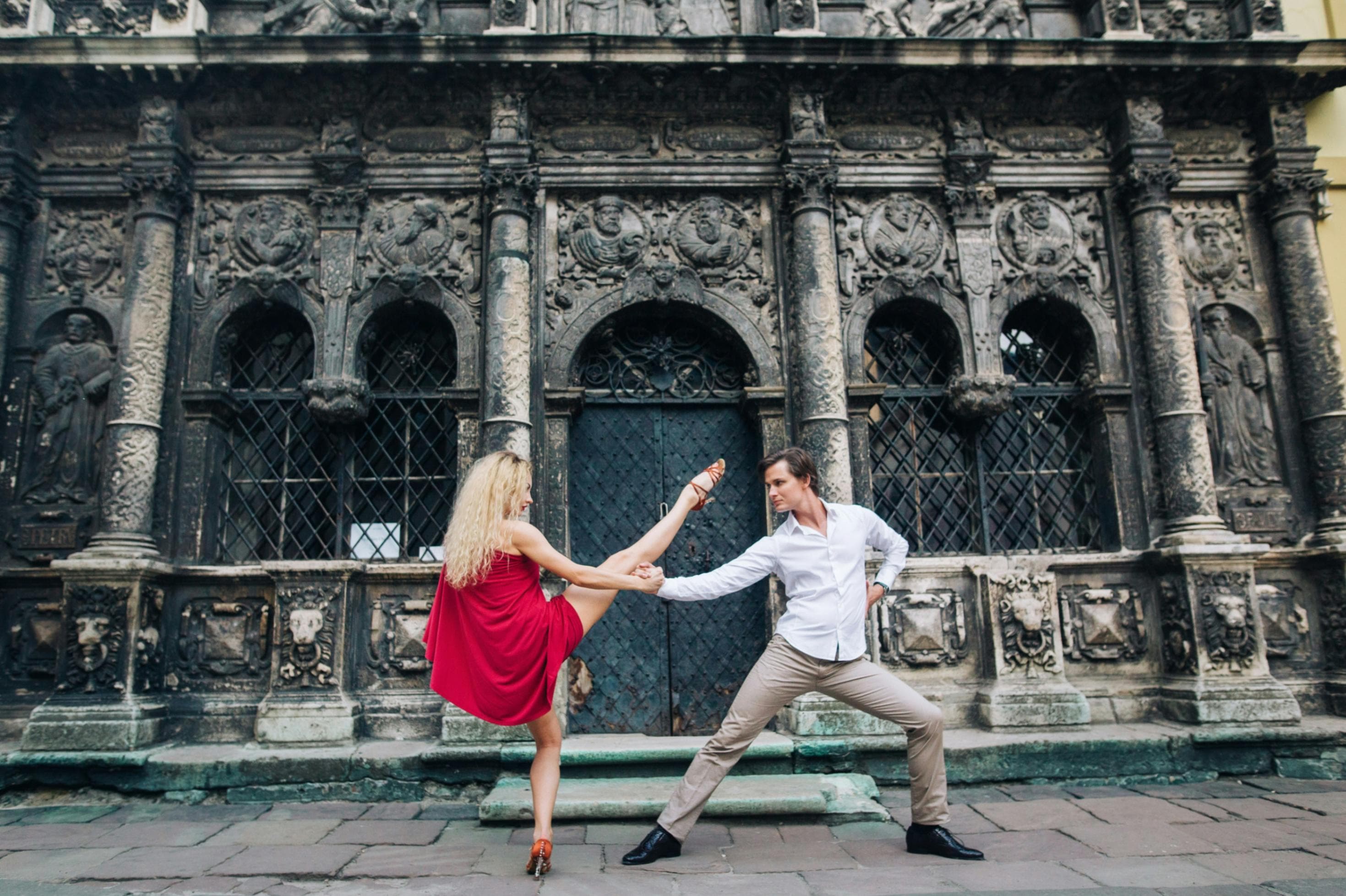
Theatre is uniquely positioned to serve as a community anchor, offering a collaborative environment where individuals of all ages and backgrounds can come together to create, perform, and reflect. Unlike solitary hobbies, theatre builds social capital by requiring participants to work in teams, share responsibilities, and rely on mutual trust. Local governments can foster this by offering grants to community theatre groups or by integrating performance spaces into existing public buildings. Some cities have successfully repurposed unused school auditoriums or vacant storefronts as performance venues, creating both artistic and economic revitalization opportunities3.
Beyond performance, theatre also provides educational benefits. Youth theatre programs, for example, have been linked to improved literacy, communication skills, and civic engagement. A 2020 study by the National Endowment for the Arts found that students involved in theatre were more likely to engage in volunteerism and community service later in life4. This makes theatre not only a recreational activity but also a developmental tool that supports long-term personal and community growth. Municipal leaders should consider integrating theatre education into afterschool programming and summer camps, especially in neighborhoods where access to arts education is limited.
Libraries as Cultural and Creative Hubs
As the user mentioned, libraries are ideal spaces to support and expand artistic engagement. They already serve as trusted community institutions and are often equipped with meeting rooms, digital resources, and a welcoming atmosphere. Expanding their role to include creative workshops, book clubs, script readings, and writer’s circles can maximize their utility. Several cities have piloted “makerspaces” within their library systems, where patrons can access tools for digital art, video production, and creative writing5. These programs not only promote artistic development but also support job skills and lifelong learning.
Public investment in libraries as artistic venues also ensures equitable access. Unlike private studios or commercial art classes, library-based programs are typically free or low-cost. This makes them particularly valuable in lower-income neighborhoods, where residents may not otherwise have the means to pursue creative hobbies. By training library staff in arts facilitation and partnering with local artists for workshops, municipalities can leverage existing infrastructure to create new avenues for community engagement and personal growth6.
Policy Strategies for Supporting the Arts
Policy leaders and public administrators can take several practical steps to integrate arts into the broader framework of community wellbeing. First, funding mechanisms should be diversified to include microgrants for grassroots arts initiatives. These could be administered through local arts councils or economic development departments, focusing on accessibility and community impact rather than solely on artistic excellence. Second, zoning and permitting policies should be reviewed to make it easier for artists to host pop-up galleries, street performances, or temporary installations without excessive red tape7.
Additionally, arts and culture should be embedded into broader strategic plans for community development. This includes incorporating public art into transportation projects, housing developments, and park designs. Creative placemaking - the practice of integrating arts into community planning - has proven effective in building local pride and attracting foot traffic to downtown areas8. By making the arts a routine consideration in planning and budgeting processes, public administrators can ensure that creative hobbies are not seen as extras, but as essential components of a balanced, thriving community.
Building Sustainable Partnerships
One of the most effective ways to expand arts access is through partnerships with nonprofit organizations, schools, and local businesses. Arts alliances can be formed to coordinate resources, share spaces, and co-sponsor events. For example, a local theatre company could partner with a high school drama department to produce intergenerational plays or host student matinees. Similarly, libraries can collaborate with independent bookstores or writing groups to host reading series and author talks. These partnerships reduce duplication of effort and build stronger networks across communities9.
Businesses also have a role to play. Employers looking to support work-life balance among their staff can sponsor employee participation in local arts events or offer discounted tickets to community theatre performances. Some companies have gone further by creating in-house arts clubs or inviting local artists to lead lunchtime workshops. These initiatives not only support employee wellbeing but also strengthen ties between the business sector and the broader community. By encouraging cross-sector partnerships, public administrators can extend the reach and impact of their arts programming while fostering a culture of collaboration.
Conclusion: A Strategic Investment in Community Health
Fostering opportunities for creative hobbies is not simply a matter of cultural enrichment - it is a strategic investment in the social, emotional, and economic health of a community. Theatre, libraries, and other artistic outlets provide meaningful ways for individuals to decompress, connect, and grow. For public administrators, the challenge lies in making these resources widely available and highly accessible. By leveraging existing infrastructure, forming strong partnerships, and embedding arts into planning processes, communities can offer their residents more than just services - they provide avenues for joy, reflection, and balance.
Whether through a small-town library’s poetry night or a city-funded street performance festival, the arts have the power to refresh individuals and strengthen community bonds. With thoughtful planning and dedicated support, creative hobbies can become a cornerstone of community wellbeing and an essential tool in the pursuit of a healthier, more balanced society.
Bibliography
National Endowment for the Arts. “The Arts and Human Development: Framing a National Research Agenda for the Arts, Lifelong Learning, and Individual Well-Being.” Washington, DC: NEA, 2011.
Clift, Stephen, and Paul Camic. “Oxford Textbook of Creative Arts, Health, and Wellbeing.” Oxford University Press, 2016.
Americans for the Arts. “Arts and Economic Prosperity 5.” Washington, DC: AFTA, 2017.
National Endowment for the Arts. “The Arts and Civic Engagement.” Washington, DC: NEA, 2020.
Institute of Museum and Library Services. “Making Space for Makerspaces.” Washington, DC: IMLS, 2018.
Urban Libraries Council. “Leadership Brief: Libraries Leading Literacy.” Washington, DC: ULC, 2019.
Markusen, Ann, and Anne Gadwa. “Creative Placemaking.” Washington, DC: National Endowment for the Arts, 2010.
National League of Cities. “Municipal Arts Policy and Planning.” Washington, DC: NLC, 2019.
WolfBrown. “Cultural Engagement in California’s Inland Regions.” San Francisco: James Irvine Foundation, 2015.
More from Theatre and the Arts
Explore related articles on similar topics