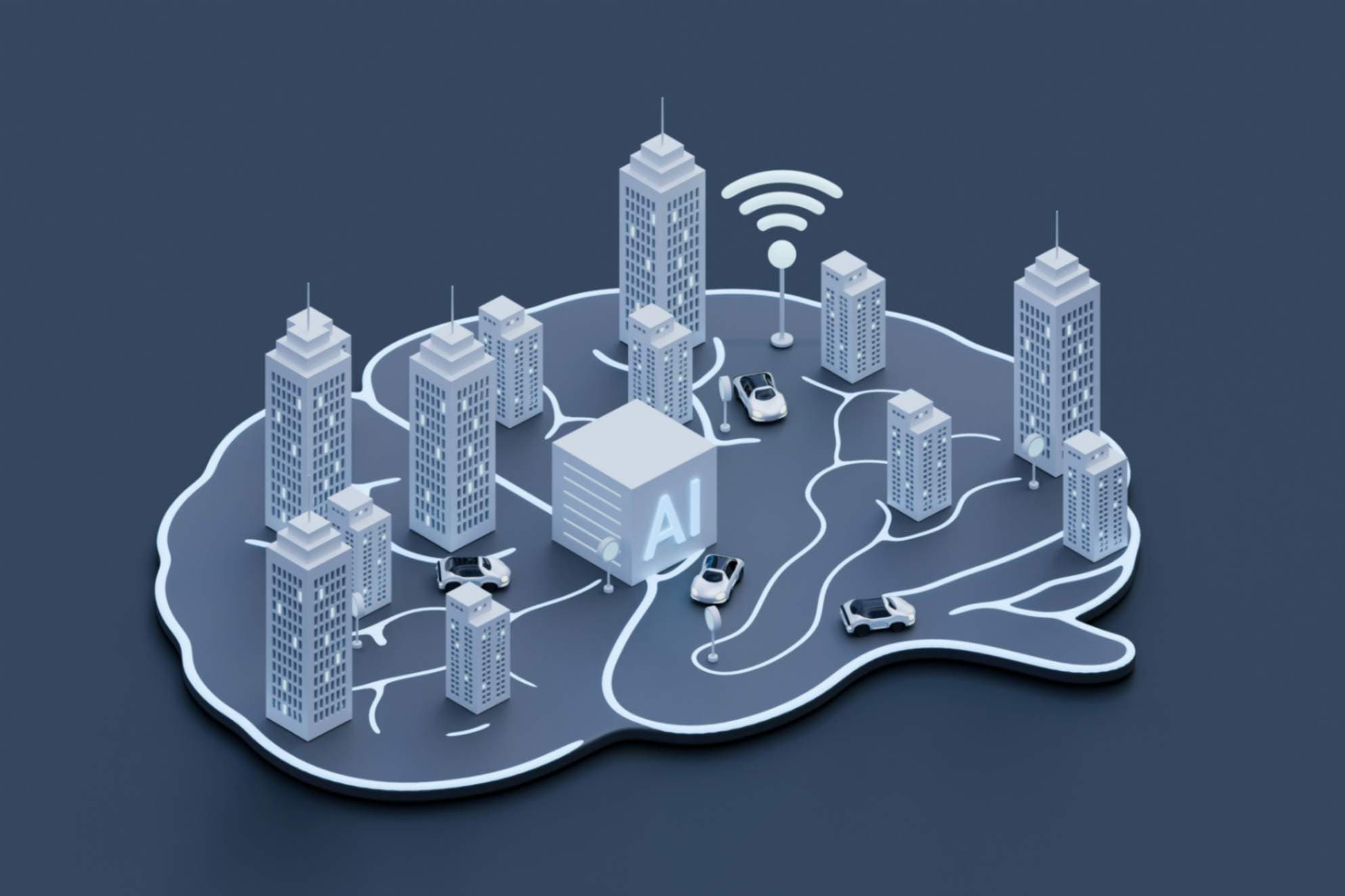
Intelligent Automation for Cities: AI’s Role in Modern Public Service Delivery
Streamlining Digital Workflows with AI Tools
Continuing from the point about how AI has changed the way we build websites and apps, it's important to highlight how these tools are improving speed and reducing repetitive labor. Before, coding required deep knowledge of programming languages and debugging expertise. It could take hours or even days to identify a single syntax error or resolve compatibility issues across different platforms. Now, AI-powered platforms like GitHub Copilot and Replit can generate entire functions, suggest improvements, and flag bugs in real time, making the development process faster and cleaner. These tools drastically reduce the time needed to go from idea to deployment, especially for small teams or solo developers.
This shift is not just limited to private developers. Municipal governments are also starting to integrate AI into internal IT workflows. For example, cities are using AI-assisted platforms to automate form generation, streamline backend processes, and maintain digital infrastructure with less manual intervention. By reducing the need for constant human oversight on repetitive tasks, municipal IT departments can focus more on strategic planning and citizen engagement technology initiatives. The result is a more agile digital environment that can respond quickly to community needs and policy changes.
Enhancing Public Services Through Intelligent Automation
AI is not only helping in the technical side of work like coding, it is also transforming how public services are delivered to residents. For example, many local governments are now using AI-powered chatbots to handle citizen inquiries. These bots can answer questions about trash collection, licensing, or property taxes 24/7 without the need for a human representative. The City of Los Angeles implemented an AI chatbot named Chip to support its planning department, which helped reduce call volumes and improve public satisfaction by providing instant, accurate responses to zoning questions and permit status requests1.
These systems do not replace human roles but support them. Staff can be freed from answering the same questions repeatedly and instead focus on more complex issues that require judgment and personal interaction. This kind of intelligent automation is especially useful in departments like transportation, housing, and social services, where demand is high but resources are limited. AI helps ensure that services continue operating efficiently even during staff shortages or peak periods. Cities like Boston have used AI to optimize their 311 service request system, routing reports of potholes and graffiti more effectively to the right departments using machine learning models2.
Using AI for Data-Driven Decision Making in Local Government
Another major shift caused by AI is in data analysis and decision support. Municipal governments collect large volumes of data from traffic sensors, public health records, utility usage reports, and more. Before, analyzing this data required specialized skills and significant time. Now, AI algorithms can digest large datasets quickly, find patterns, and even predict outcomes. For example, the City of Cincinnati has used predictive analytics to forecast which buildings are at highest risk for fire, allowing inspectors to prioritize their efforts effectively3.
These tools provide practical value when leaders need to allocate budgets, plan infrastructure upgrades, or respond to emerging community issues. AI can model different scenarios and give planners a clearer picture of the potential impact of their decisions. This helps reduce waste, improve service delivery, and build trust with residents. The ability to make faster, evidence-based decisions strengthens both operational efficiency and political accountability. It's not about replacing human judgment but enhancing it with better information at the right time.
Supporting Urban Planning and Infrastructure Projects
AI also plays a growing role in urban planning. Local governments must anticipate how cities will grow and change, and that involves analyzing everything from population trends to transportation patterns. AI tools can simulate how proposed developments will affect traffic, air quality, or public transit usage. For example, the City of Singapore uses AI to analyze and predict traffic flows and pedestrian movement, helping guide infrastructure investments and zoning decisions4.
For municipal staff, this means better tools to communicate with stakeholders and the public. AI-generated visualizations and modeling help make technical data accessible to non-experts, which supports more inclusive planning processes. When residents can see clear projections and understand the data behind a proposal, they're more likely to provide useful feedback and support initiatives. This kind of transparency strengthens civic engagement and helps reduce delays related to public opposition or misunderstanding.
Practical Steps for Municipal Governments to Implement AI
For practitioners looking to bring AI into their local government operations, the first step is to identify where automation or predictive tools can have the greatest impact. Start with routine, repetitive tasks that are currently labor-intensive. Examples include processing permit applications, managing fleet maintenance schedules, and monitoring compliance with local codes. By introducing AI gradually in these areas, departments can test performance and build internal confidence before expanding use.
It is also important to invest in training staff. AI tools are only as effective as the people implementing and managing them. Municipalities should offer workshops and certifications to help employees understand how to work with AI systems and interpret their outputs. Partnering with local universities and tech organizations can provide access to expertise and mentoring. Finally, forming a cross-departmental AI advisory committee can help ensure that projects align with broader strategic goals and that risks are managed appropriately.
Creating Long-Term Value Through Smart Technology Integration
The use of AI in local government is not just about short-term efficiency gains. It creates long-term value by enabling smarter, more responsive services that align with the needs of residents. When implemented thoughtfully, AI can help cities become more resilient to change, whether it's economic shifts, environmental challenges, or public health crises. For example, during the COVID-19 pandemic, many cities used AI analytics to monitor infection trends, manage hospital capacity, and inform reopening strategies5.
These technologies also support sustainability goals. AI can optimize energy use in public buildings, manage water systems more effectively, and support clean transit initiatives by analyzing usage patterns. As cities face growing pressure to do more with less, AI offers a practical toolkit. But success depends on leadership, collaboration, and a clear understanding of both the capabilities and limitations of these tools. Municipal leaders need to approach AI not as a trend but as an integral part of modern governance.
Bibliography
City of Los Angeles, “Mayor Garcetti Launches ‘Chip,’ a New AI Chatbot for Planning,” Office of the Mayor, March 2017, https://www.lamayor.org.
City of Boston, “311 Performance Dashboard,” City of Boston Analytics Team, 2020, https://data.boston.gov.
Center for Government Excellence, “How Cincinnati Uses Predictive Analytics to Prevent Fires,” Johns Hopkins University, 2017, https://govex.jhu.edu.
Land Transport Authority of Singapore, “Smart Mobility 2030: Intelligent Transport Systems Strategic Plan,” Government of Singapore, 2014, https://www.lta.gov.sg.
World Health Organization, “Leveraging AI to Fight COVID-19,” WHO Digital Health Technical Advisory Group, 2020, https://www.who.int.
More from 2 Topics
Explore related articles on similar topics