Integrating Smart Farming into Municipal Agricultural Strategies
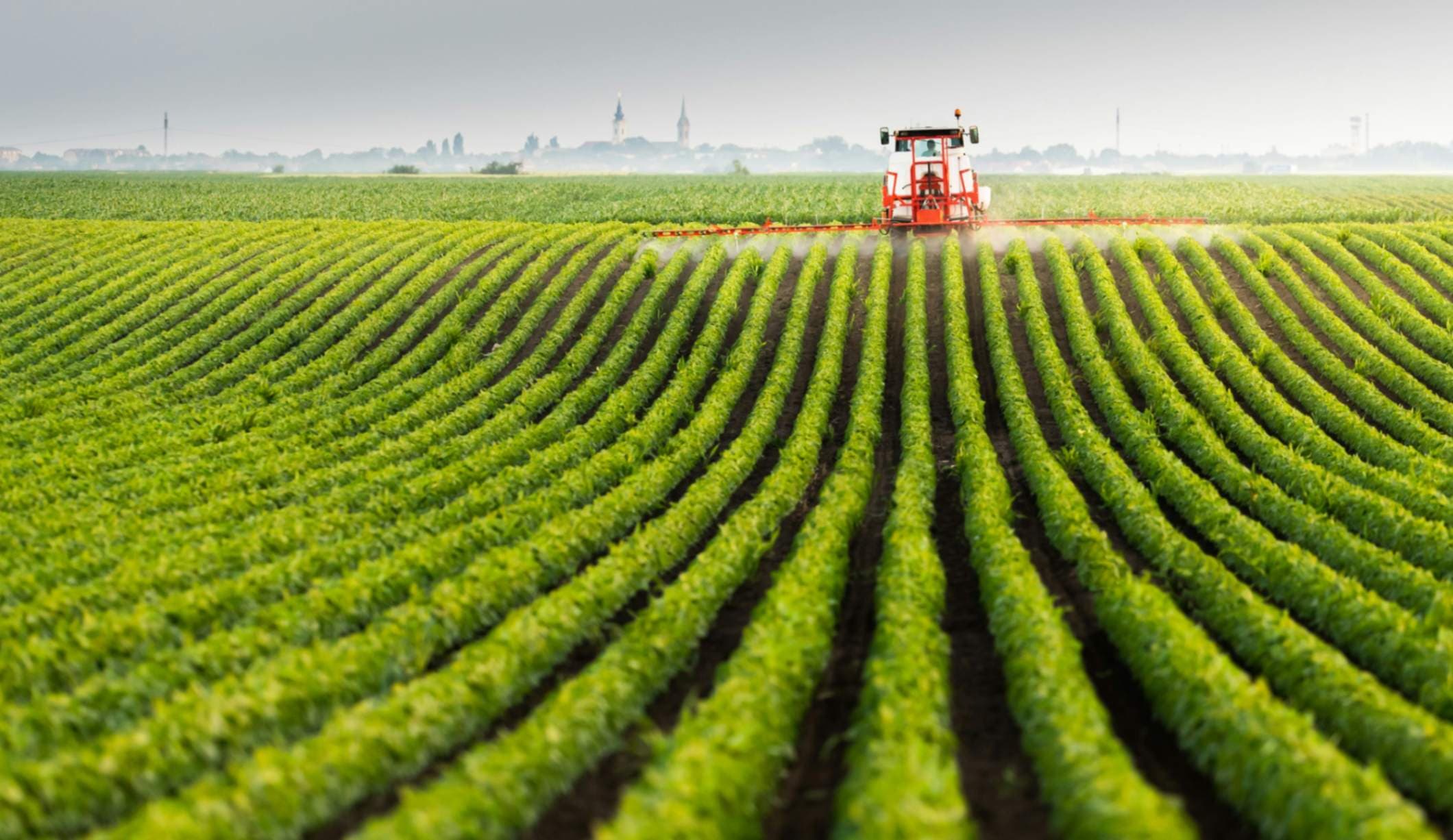
As technology reshapes agriculture, municipal governments play a crucial role in facilitating the adoption of smart farming. Local authorities can support farmers by building infrastructure that enables digital agriculture, such as expanding rural broadband access and supporting precision agriculture training programs. High-speed internet is essential for farmers to access cloud-based analytics, operate GPS-guided machinery, and use real-time weather forecasting tools. In areas where broadband is lacking, municipalities can work with state and federal programs to enhance connectivity through public-private partnerships or grant-funded initiatives.1
Additionally, municipal agricultural extension services should prioritize training on smart technologies, including remote sensing, variable-rate application, and autonomous equipment. These programs can be conducted in collaboration with land-grant universities, technical colleges, and agri-tech firms to ensure that both established farmers and new entrants are equipped with the knowledge to implement modern tools. By integrating smart farming into local development plans, municipalities not only boost productivity but also promote environmental stewardship and long-term food security.2
Water Efficiency and Sustainable Irrigation Practices
Water conservation is a critical concern in agriculture, especially in regions facing drought or overuse of groundwater resources. Smart irrigation systems use soil moisture sensors, evapotranspiration data, and weather forecasts to deliver water only when and where it is needed. These systems reduce water waste, lower operational costs, and prevent over-irrigation that can lead to soil degradation. Municipalities can support the transition to smart irrigation by offering cost-share programs or equipment rebates through conservation districts or local utility providers.3
Local governments can also update zoning ordinances and water-use regulations to incentivize water-efficient practices. For example, municipalities may require new agricultural developments to include water management plans or encourage the use of drought-resistant crop varieties. In partnership with watershed councils and irrigation districts, local governments can promote collective action among farmers to improve basin-wide water efficiency while maintaining agricultural output.4
Precision Nutrient Management and Soil Health
Maintaining soil health is essential for long-term agricultural productivity. Precision nutrient management uses technologies such as satellite imagery, drone mapping, and in-field sensors to assess soil fertility and apply inputs like fertilizer and lime with pinpoint accuracy. This reduces input costs, minimizes nutrient runoff, and boosts crop yields. Municipalities can encourage these practices by working with conservation agencies to provide access to soil testing services and GIS-based nutrient planning tools.5
Municipal governments can also implement policies that reward sustainable soil management. For instance, programs that recognize and certify farms using cover crops, no-till practices, or compost application contribute to improved soil structure and carbon sequestration. Integrating these practices into local conservation plans supports climate adaptation efforts and preserves agricultural land for future generations.6
Data-Driven Decision Making in Crop Management
One of the most transformative aspects of smart farming is the ability to make informed decisions based on real-time data. Farmers now use integrated platforms that combine weather models, pest forecasts, and yield predictions to guide planting and harvesting schedules. This level of precision helps reduce losses due to disease outbreaks, adverse weather, or market fluctuations. Municipalities can assist by promoting access to regional data hubs and facilitating workshops on interpreting and applying this data in the field.7
Additionally, local governments can support cooperative data-sharing initiatives among farmers within a region. By pooling data on crop performance, pest pressures, and climate patterns, producers gain a broader perspective that enhances their individual decision-making. Municipal agencies and agricultural non-profits can act as neutral conveners to build trust among stakeholders and establish protocols for data privacy and usage.8
Promoting Resilience through Climate-Smart Agriculture
As climate variability impacts growing seasons, crop selection, and pest dynamics, farmers must adopt adaptive practices to remain resilient. Climate-smart agriculture incorporates strategies such as diversified crop rotations, agroforestry, and integrated pest management to reduce risk. Municipal governments can play a leadership role by incorporating climate adaptation into local food system plans and offering incentives for practices that increase resilience.9
Public investment in on-farm infrastructure, such as weather stations, drainage systems, and windbreaks, can also buffer farms against extreme weather events. Municipalities should collaborate with regional climate service providers to ensure farmers have access to localized forecasts and risk assessments. By embedding resilience into agricultural planning, municipalities help secure food production while mitigating long-term environmental impacts.10
Building Local Food Systems and Market Access
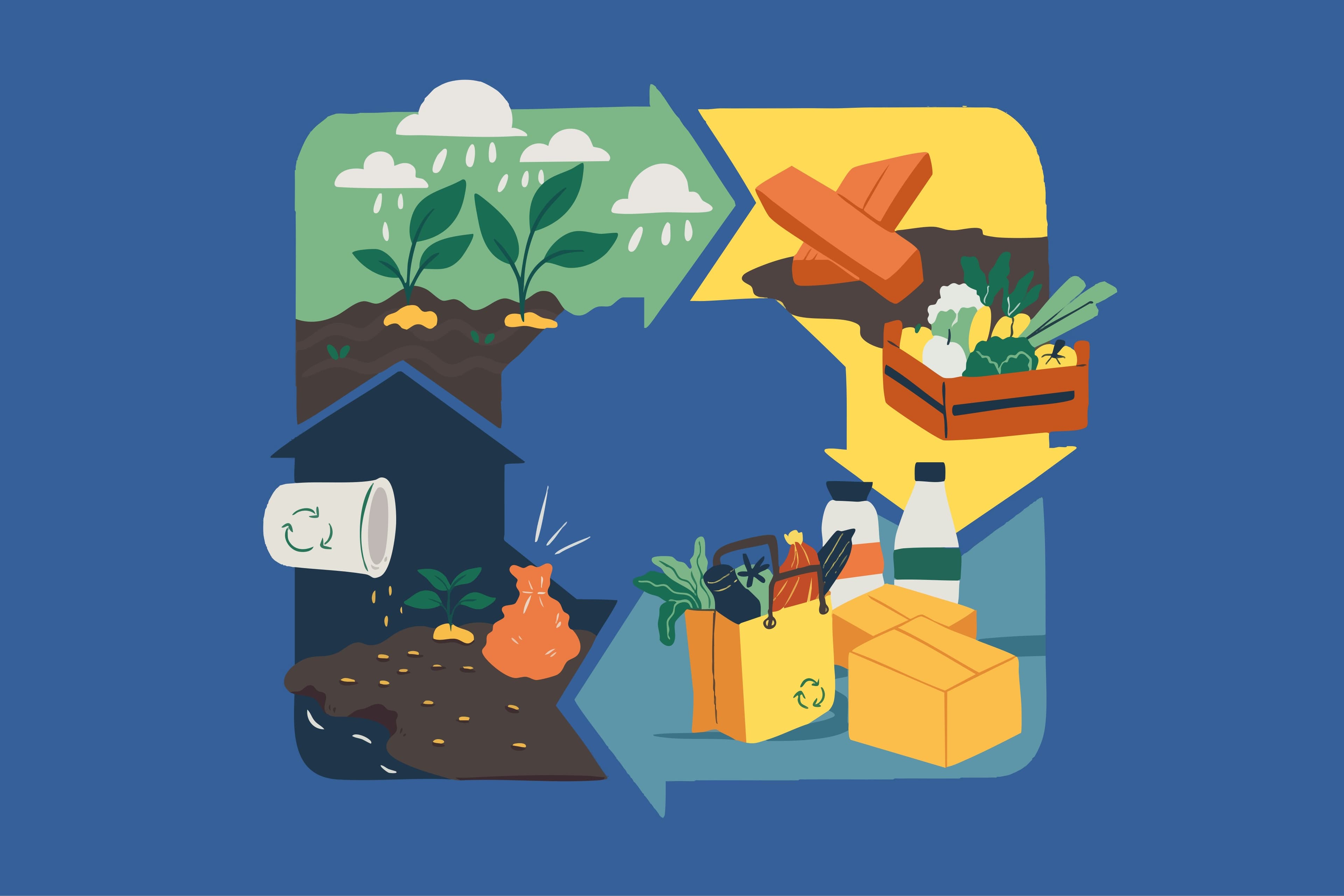
In addition to supporting production, municipal governments can strengthen agriculture by improving access to local and regional markets. Farmers benefit from reduced transportation costs and increased freshness when selling through farmers’ markets, food hubs, or institutional purchasing programs. Municipalities can streamline permitting processes, provide space for local food markets, and facilitate aggregation infrastructure that connects producers with buyers.11
Local governments can also incorporate local sourcing policies into procurement for schools, hospitals, and other institutions. These policies create a stable demand for local products while supporting community health and economic development. For municipalities aiming to boost food security and agricultural viability, fostering direct-to-consumer and wholesale marketing channels is a practical and effective strategy.12
Conclusion: Municipal Leadership in Agricultural Innovation
Municipal governments are uniquely positioned to bridge the gap between technological innovation and on-the-ground implementation in agriculture. By investing in infrastructure, education, and policy reforms, local authorities can accelerate the adoption of smart farming practices. These efforts not only enhance farm productivity and economic viability but also contribute to environmental conservation and community well-being.
As agriculture continues to evolve, municipal leaders must remain engaged with farmers, researchers, and industry partners to ensure that technology serves the broader goals of sustainability, food security, and rural vitality. Through practical, place-based strategies, municipalities can guide the future of agriculture toward a more productive and resilient path.
Bibliography
U.S. Department of Agriculture. “ReConnect Program.” Rural Development. 2023. https://www.rd.usda.gov/programs-services/telecommunications-programs/reconnect-program.
National Institute of Food and Agriculture. “Extension.” U.S. Department of Agriculture. 2022. https://nifa.usda.gov/program/extension.
California Department of Water Resources. “Agricultural Water Use Efficiency Program.” 2023. https://water.ca.gov/Programs/Water-Use-And-Efficiency/Agricultural-Water-Use-Efficiency.
Oregon Water Resources Department. “Integrated Water Resources Strategy.” 2021. https://www.oregon.gov/owrd/programs/Planning/Pages/IWRS.aspx.
Soil Health Institute. “Precision Agriculture and Soil Health.” 2022. https://soilhealthinstitute.org/research/precision-agriculture-and-soil-health/.
Natural Resources Conservation Service. “Conservation Stewardship Program.” U.S. Department of Agriculture. 2023. https://www.nrcs.usda.gov/programs-initiatives/csp-conservation-stewardship-program.
National Weather Service. “National Integrated Drought Information System.” NOAA. 2022. https://www.drought.gov/.
U.S. Climate Resilience Toolkit. “Agricultural Data Sharing and Collaboration.” 2023. https://toolkit.climate.gov/topics/agriculture/agricultural-data-sharing.
FAO. “Climate-Smart Agriculture Sourcebook.” Food and Agriculture Organization of the United Nations. 2017. https://www.fao.org/climate-smart-agriculture-sourcebook/en/.
Midwest Climate Hub. “Climate Adaptation Resources for Agriculture.” U.S. Department of Agriculture. 2022. https://www.climatehubs.usda.gov/hubs/midwest/topic/climate-adaptation-resources-agriculture.
National Sustainable Agriculture Coalition. “Local Food Systems.” 2022. https://sustainableagriculture.net/our-work/issues/local-food-systems/.
U.S. Department of Agriculture. “Farm to School Grant Program.” Food and Nutrition Service. 2023. https://www.fns.usda.gov/farmtoschool/farm-school-grant-program.