From Training Wheels to Tandem Bikes: Rethinking the Journey to Student Independence
Every school year, students hear a familiar warning from well-meaning teachers: “Next year, no one will hold your hand like I do.” This statement is often said with the best intentions as a push toward independence and a reminder for students to take ownership of their learning. However, while the goal is to help students grow, this message can unintentionally relay an unintended signal. Instead of inspiring responsibility, it can potentially breed fear, anxiety, and mistrust1.
Teachers have a deep desire for their students to succeed beyond their classroom. They are acutely aware that academic demands increase with every grade, and they strive to prepare students for that shift. Encouraging responsibility, self-motivation, and academic ownership is a vital part of the process. The issue is not the goal, but rather the delivery2.
When educators rely on scare tactics, such as telling students they won’t receive help, attention, or reminders in the next grade, the message becomes less about growth and more about loss. It insinuates that care and support are temporary luxuries and not ongoing parts of a student's educational journey3.
Communicating to students that they won’t receive the same attention or help in the future can discourage the very growth we want to promote. Fear-based motivation may incite some students to try harder in the short term, but it often causes others to shut down, particularly those already struggling. It reinforces the notion that only "strong" or "smart" students can succeed on their own, while those who need support are destined to be left behind4.
This type of messaging can also undermine the trust students have in their teachers and the educational system. When students hear that future teachers won’t care as much or won’t help them due to larger class sizes, it can make them feel abandoned before they even get there. They start to view learning as a solitary journey, where asking for help is a sign of weakness and support is a fleeting privilege5.
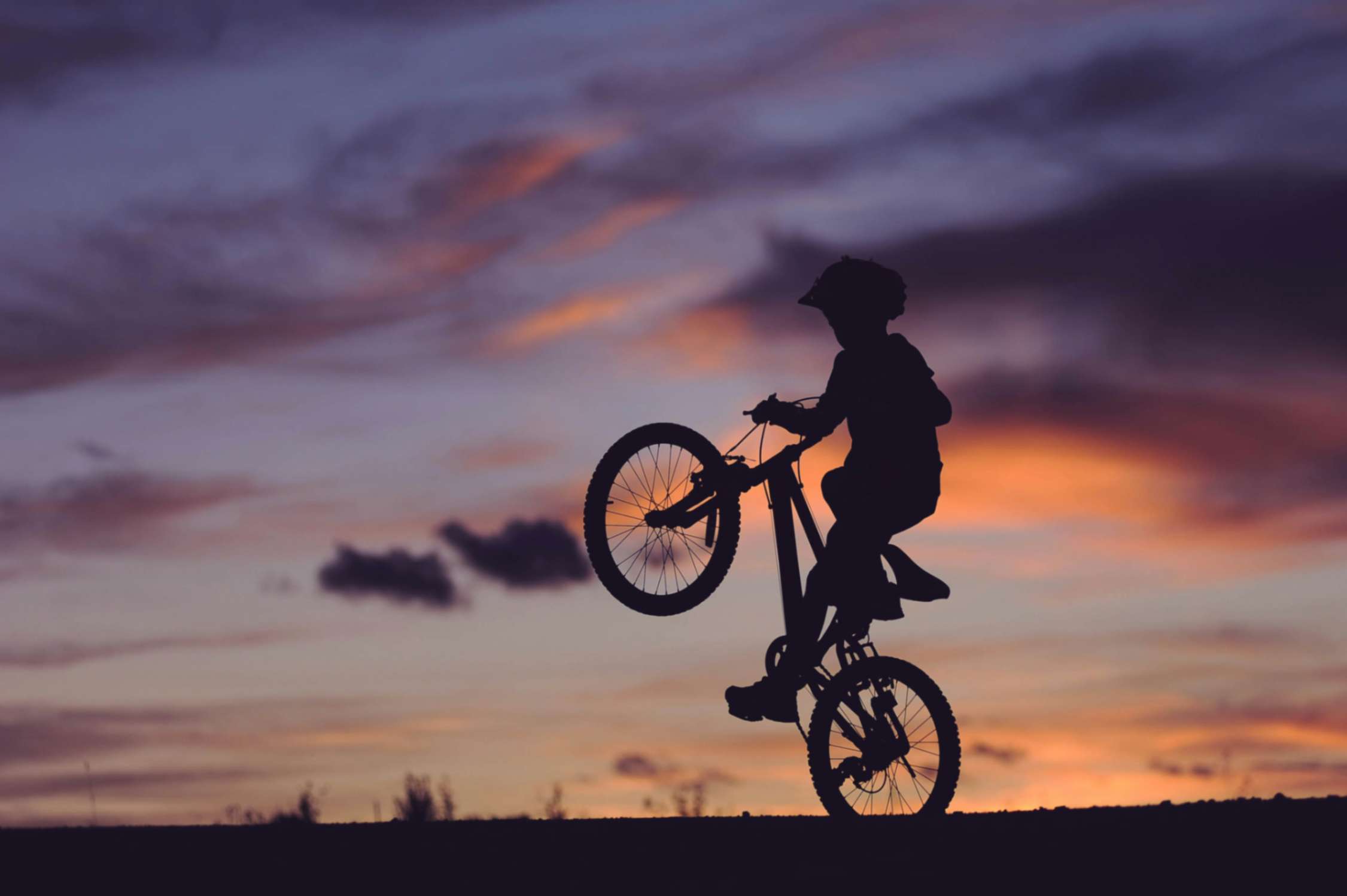
Promoting independence doesn’t mean removing supports abruptly. Instead, it involves gradually adjusting them as students are ready, similar to the use of training wheels on a bike. From a developmental perspective, all students, especially those in middle and high school, still need structure, guidance, and reassurance. Although class sizes often grow in later grades, and teachers may not have the same capacity for one-on-one interaction, it doesn’t mean students won’t be supported, it simply means the type of support will change6.
Rather than warning students about what they’ll lose, educators can prepare them for what’s ahead by explaining how support evolves. For instance, instead of daily check-ins, students may have access to office hours, feedback tools, or structured peer reviews. They might not be reminded every day to turn in work, but they'll have access to calendars, rubrics, and systems to help them manage7.
By showing students what support looks like at the next level, we can help them build confidence in their ability to navigate it. The transition to independence should be framed as a positive evolution, not a perilous cliff. Streamlining support means offering the right tools at the right time: self-assessment checklists, clear expectations, and routines that encourage self-monitoring are appropriate methods that guide students toward responsibility while reinforcing that their teachers still care8.
It’s also essential to normalize that support never disappears, it merely changes form. Independence doesn't mean being on your own; it means knowing how to use the tools and resources around you9.
We all want students to become more self-driven and resilient learners, but we can’t achieve this by telling them that the help ends with us. Building responsibility isn’t about withdrawal, it’s about evolution. By reshaping the message, we can better prepare students for what’s ahead, while reinforcing that their education is still a shared journey10.
Bandura, A. (2001). Social cognitive theory: An agentic perspective. Annual review of psychology, 52(1), 1-26.
Bell, S. (2010). Project-based learning for the 21st century: Skills for the future. The Clearing House, 83(2), 39-43.
Dweck, C. S. (2006). Mindset: The new psychology of success. Random House Incorporated.
Grant, A. M., & Dweck, C. S. (2003). Clarifying achievement goals and their impact. Journal of personality and social psychology, 85(3), 541.
Hamre, B. K., & Pianta, R. C. (2001). Early teacher–child relationships and the trajectory of children's school outcomes through eighth grade. Child development, 72(2), 625-638.
Ladd, G. W., Birch, S. H., & Buhs, E. S. (1999). Children's social and scholastic lives in kindergarten: Related spheres of influence?. Child development, 70(6), 1373-1400.
Ryan, R. M., & Deci, E. L. (2000). Intrinsic and extrinsic motivations: Classic definitions and new directions. Contemporary educational psychology, 25(1), 54-67.
Stiggins, R. J., Arter, J. A., Chappuis, J., & Chappuis, S. (2004). Classroom assessment for student learning: Doing it right—using it well. Assessment training institute Portland, OR.
Wigfield, A., Eccles, J. S., Schiefele, U., Roeser, R. W., & Davis-Kean, P. (2006). Development of achievement motivation. Handbook of child psychology.
Zimmerman, B. J. (2000). Attaining self-regulation: A social cognitive perspective. Handbook of self-regulation, 13-39.



Join the discussion
Members can read and add comments on every article.