DIY AI: Unlocking Personal Power Through AI Literacy

DIY AI: Unlocking Personal Power Through AI Literacy
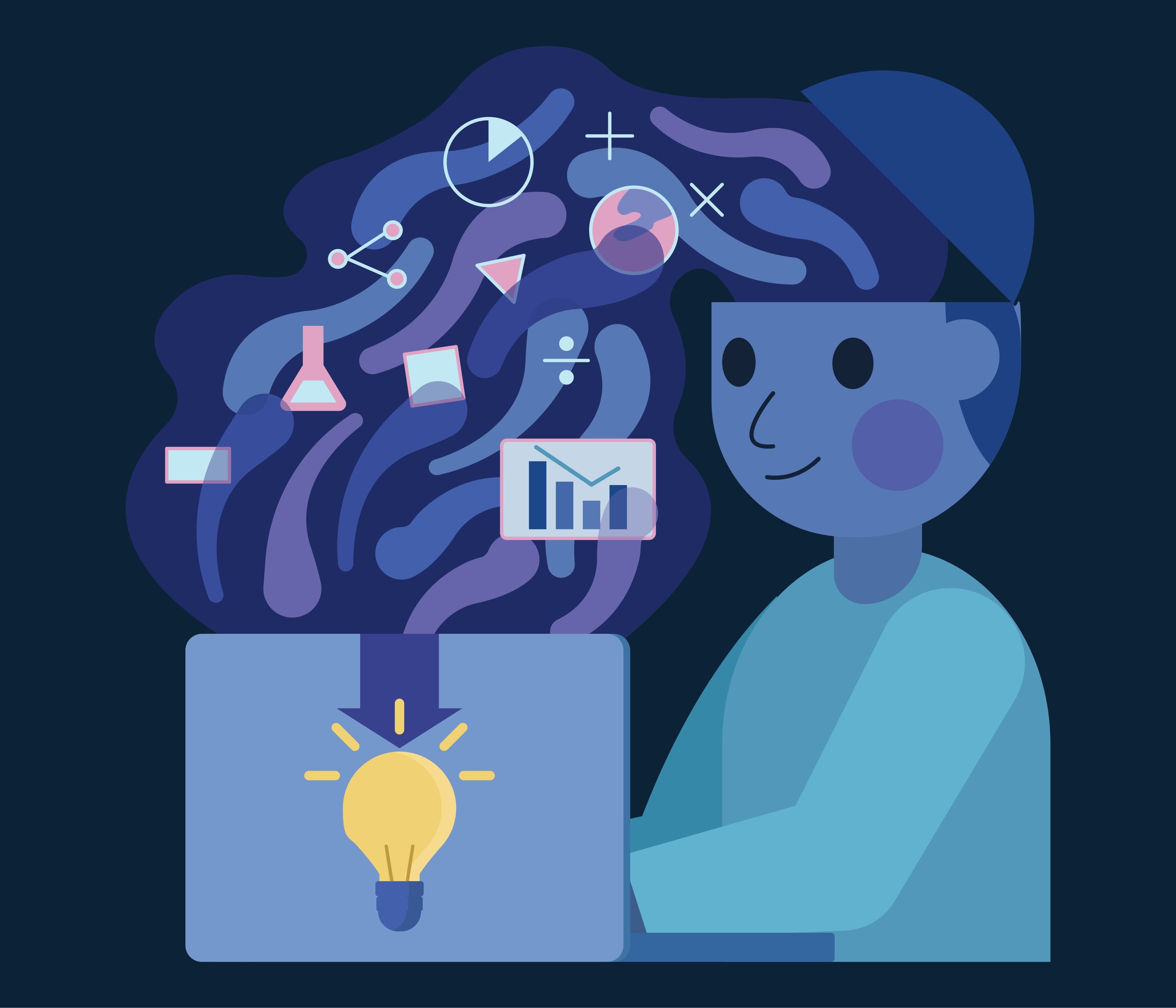
Generative Artificial Intelligence is unlike any another technology, it is the first to go from concept to mass adoption at lightning speed, thanks to platforms like ChatGPT. Instantly, anyone with internet access gained a powerful conversation partner, transforming how routine tasks are completed and how knowledge is accessed. This leap did not merely accelerate search, it redefined the user interface. Suddenly, the ability to seek, reason, and converse in natural language became a universal skill. We no longer wait for knowledge to be handed down by experts; we summon it by asking better questions.
The Conversational Shift
Previously, knowledge belonged to those who had specialized training or access. AI flips this model, empowering those who can ask the right questions. The quantum leap isn’t just in computing power; it’s in changing who holds the keys to insight. Today, anyone can access actionable answers with no coding or technical expertise required. The context and power have shifted from “knowers” to “seekers.” Insightful questioning, iterative reasoning, and the “five whys” method, pioneered by Toyota in the 1930s and foundational to continuous improvement, gain renewed importance when interacting with AI.
Learning to Learn
In a conversation with Silicon Valley Girl, Aravind Srinivas, CEO of Perplexity, stresses the importance of adopting a mindset of lifelong learning: “Surround yourself with peers who push you to improve. Be a learning machine. Work really hard, learn a lot, and you’ll gain the ability to succeed at anything. You can bet on yourself”. In the current age, this philosophy, that “learning to learn” trumps traditional, subject-based education, has become more vital than ever. AI platforms reward those who dig deeper, ask iterative questions, and refine their understanding, a process strongly modeled on the five whys, which systematically uncovers the root causes of problems through repeated questioning. AI does not hand over insight; it helps users fish for answers, demanding persistence and curiosity.
DIY: The New AI Literacy
AI literacy is often championed by educators and employers, but the boundaries have dissolved; self-guided skill acquisition is now to be expected, not just encouraged. AI knowledge is self-service. Apps made mobile technology universal; now, “AI agents” can help plan, reason, and act, empowering individuals as never before. Modern AI systems guide users from ideas to implementation, democratizing innovation so that anyone willing to persevere can unlock new abilities.
A Rutgers classroom showcases this shift: students with no programming background use AI to solve challenges that, before, required advanced technical training. Assignments previously reserved for coders are now accessible to students from all backgrounds. Teachers and managers still play an essential role in responsible stewardship, but majority agency rests with individual users, they decide how far to push their curiosity and capability.
Knowledge Management: Moving Beyond Search
In the workplace, AI-powered systems break knowledge silos, making information discoverable and actionable for everyone. The concepts of "findability" and "discoverability" are now more closely associated with providing accurate information rather than relying solely on search engine optimization strategies. Organizations now deploy privacy-preserving AI tools, ensuring proprietary information remains safeguarded, while actionable insights become broadly available, from city halls to startups.
From App to Agent: The Future Is Autonomous
“There is an agent for everything,” this is the motto in today’s AI landscape, reflecting the rapid proliferation of agents that operate within and beyond traditional software boundaries. In 2025, AI agents not only automate personal productivity but also take on institutional workloads, scaling reasoning and planning across entire organizations. The skills required are no longer technical as much as they are persistent, creative, and willing to engage deeply with iterative processes.
The Grassroots Imperative
The era of knowledge superpower is here. The ordinary person now wields a “genie” that responds in any language, in any context, and on any topic. How this power is used depends not on technical mastery, but on the drive for self-improvement and lifelong learning. AI is our fishing instructor; the persistent learner will never go hungry.
Summary
AI literacy is no longer something handed down from institutions, it is a self-directed journey. The best weapon to increase it is not a degree or a coding bootcamp, but curiosity, persistence, and disciplined questioning. If you embrace this “DIY AI,” every new agent and answer becomes a steppingstone. The digital divide will now be measured not by who knows, but by who asks, and what they do with the answers.
References:
Silicon Valley Girl - Conversations with Perplexity CEO Aravind Srinivas https://www.youtube.com/watch?v=U7PcyE0p54s&t=8s
The Five Why's: https://en.wikipedia.org/wiki/Five_whys