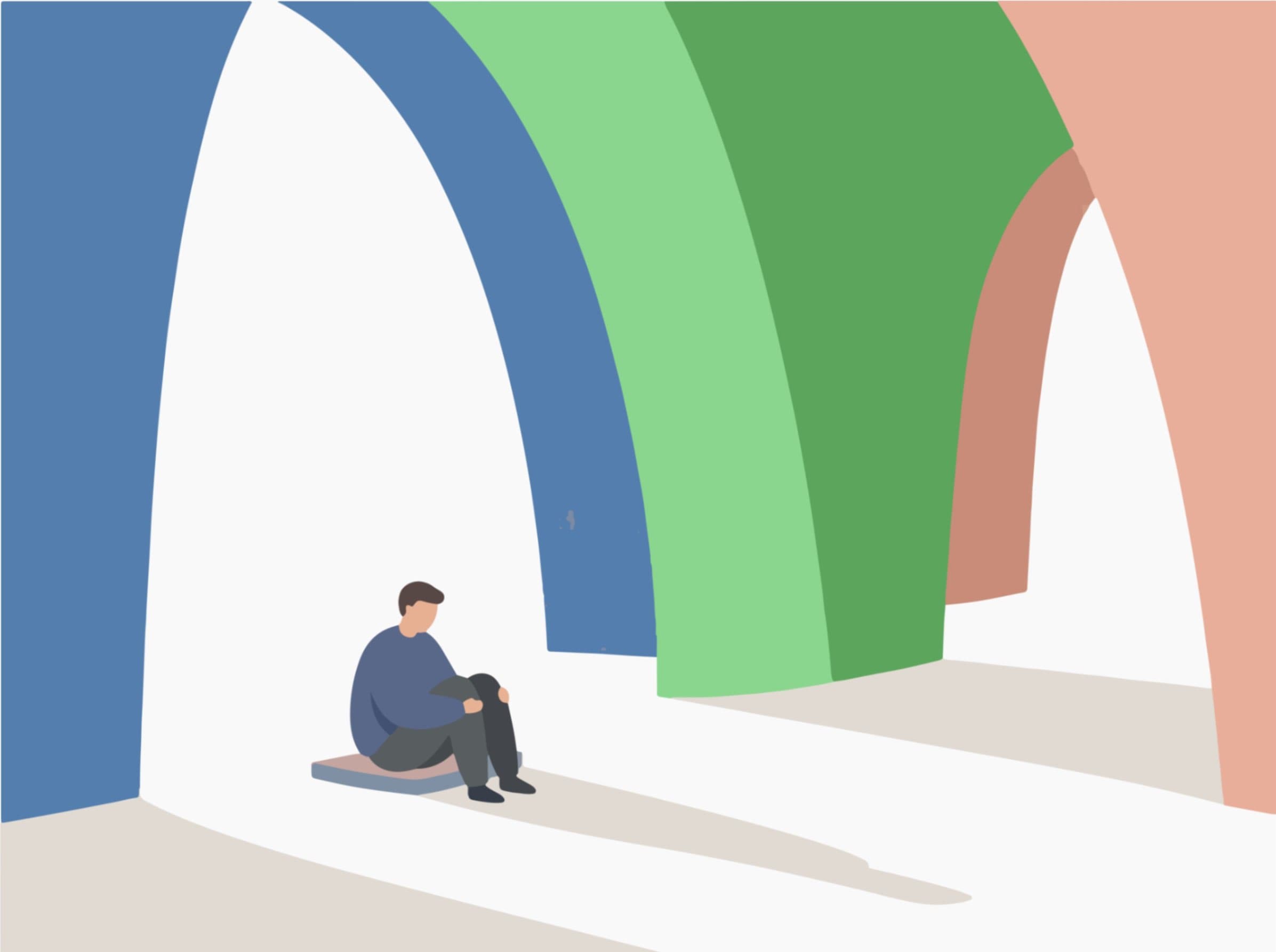
Building Belonging: How Cities Can Design Third Spaces to Boost Mental Health

The absence of accessible, inclusive third spaces has tangible impacts on community mental health. While parks, libraries, and cafés exist physically, the degree to which they serve as true gathering and engagement spaces depends on intentional design and programming. Research increasingly supports the idea that social infrastructure - the physical spaces and programs that support social interaction - plays a critical role in shaping mental well-being. When residents have access to safe, welcoming environments where they can connect with others, the risk of social isolation diminishes, and the likelihood of experiencing chronic stress or depression decreases significantly1.
Municipal governments can take practical steps to enhance the mental wellness of their communities by investing in these spaces. This might include reimagining underutilized civic buildings as community hubs, funding neighborhood-driven programming in parks, or supporting the development of non-commercial gathering places such as tool libraries or community kitchens. Prioritizing co-design with residents ensures that the resulting spaces reflect the needs and preferences of the community, which in turn increases their utilization and impact. Cities such as Toronto and Seattle have piloted such approaches with measurable improvements in community engagement and self-reported well-being2.
Designing for Belonging and Connection
Creating meaningful third spaces requires more than just physical infrastructure. The way a space is programmed, maintained, and governed heavily influences whether residents will feel comfortable engaging with others there. For example, a park that includes multilingual signage, shaded seating, and free arts programming is more likely to attract diverse community members than one that simply offers open grass. Municipal staff should collaborate with local organizations, including mental health nonprofits, to shape environments that promote psychological safety and cultural inclusivity3.
Programming also plays an essential role in fostering connection. Regular, low-barrier activities such as walking groups, intergenerational storytelling circles, or community gardening not only activate a space but also provide structured ways for people to interact. These kinds of engagements reduce the burden on individuals to initiate social contact and instead create shared rituals that build trust over time. When the municipality supports these efforts, either through grants, staffing, or logistical coordination, it signals a commitment to social cohesion as a public health priority4.
The Mental Health Impact of Social Isolation
Chronic social isolation is associated with increased risks of anxiety, depression, and even physical health conditions such as cardiovascular disease. The U.S. Surgeon General identified loneliness as a pressing public health concern, emphasizing that the effects of disconnection can be as harmful as smoking 15 cigarettes per day5. Local governments, as the closest level of governance to people's daily lives, are in a unique position to counteract these trends through intentional urban planning and community development strategies.
One strategy is to embed mental health considerations into broader neighborhood planning efforts. This could include zoning policies that facilitate mixed-use development to encourage walkability and spontaneous encounters, or integrating mental health supports into schools, libraries, and recreation centers. By normalizing these services in everyday settings, municipalities can reduce stigma and increase access. Additionally, cross-sector partnerships with healthcare providers can help align community design with clinical mental health objectives, creating a more holistic and preventative approach6.
Training City Staff to Recognize Wellness Opportunities
Beyond infrastructure and programming, municipal employees themselves can be key enablers of mental wellness. Staff in frontline roles, such as parks and recreation workers, housing inspectors, or library staff, often have regular contact with residents and are well-positioned to identify early signs of distress or social withdrawal. Providing these employees with basic mental health training can improve their ability to connect residents to appropriate services and support networks7.
Cities such as San Antonio and Vancouver have introduced trauma-informed training for municipal staff, which not only improves service delivery but also enhances the mental health literacy of the workforce. These initiatives often include education on how to engage empathetically with the public, recognize signs of mental health challenges, and respond without escalating situations unnecessarily. Embedding such practices across departments also creates a more compassionate civic culture, which in itself can contribute to community mental wellness8.
Evaluating Impact and Sustaining Commitment
Measuring the outcomes of health and wellness initiatives is essential for sustaining investment and improving effectiveness. Cities can track indicators such as participation in community programs, resident satisfaction with public spaces, and local rates of reported loneliness or depression. Tools like the Canadian Index of Wellbeing or the Social Capital Index offer frameworks that municipalities can adapt for local monitoring9.
Long-term success also depends on interdepartmental coordination and strong leadership from elected officials. Health and wellness should not be confined to the purview of one office or department but integrated across housing, transportation, planning, and parks. Formalizing this integration in strategic plans, budget decisions, and performance metrics helps ensure that mental wellness remains a priority even as political leadership or staffing changes. When residents experience consistent support across services and spaces, the collective impact on community wellbeing becomes significantly more powerful10.
Bibliography
Putnam, Robert D. Bowling Alone: The Collapse and Revival of American Community. New York: Simon & Schuster, 2000.
Canadian Urban Institute. Third Places: Community-Building Infrastructure. Toronto: CUI, 2021.
American Planning Association. "Planning for Equity Policy Guide." 2019. https://www.planning.org/policy/guides/adopted/equity.htm.
Public Health Agency of Canada. Community-Based Approaches to Mental Health Promotion. Ottawa: Government of Canada, 2020.
U.S. Department of Health and Human Services. Our Epidemic of Loneliness and Isolation: The U.S. Surgeon General’s Advisory. Washington, DC: HHS, 2023.
World Health Organization. Urban Green Spaces and Health: A Review of Evidence. Copenhagen: WHO Regional Office for Europe, 2016.
National League of Cities. Strong Cities, Strong Communities: Mental Health First Aid Training. Washington, DC: NLC, 2021.
City of Vancouver. Healthy City Strategy: Four-Year Action Plan. Vancouver: City of Vancouver, 2015.
Canadian Index of Wellbeing. How Are Canadians Really Doing? Waterloo: University of Waterloo, 2016.
OECD. How’s Life? 2020: Measuring Well-being. Paris: OECD Publishing, 2020.