The Community Is the Canvas: Art, Therapy, and the New Public Health Playbook
In cities that feel more fragmented by the day, local arts centers may be doing more heavy lifting for our collective well-being than most clinics or council meetings. When a former library basement becomes a hub for open mic nights, youth mural projects, and low-cost art therapy groups, it quietly rewires the social life of a neighborhood- reducing isolation, strengthening support networks, and giving people practical tools to manage stress and anxiety. This article explores how public administrators, artists, and mental health professionals can treat creative spaces not as “extras,” but as core infrastructure for community health, resilience, and economic vitality.
The Role of Arts Centers and Community Engagement
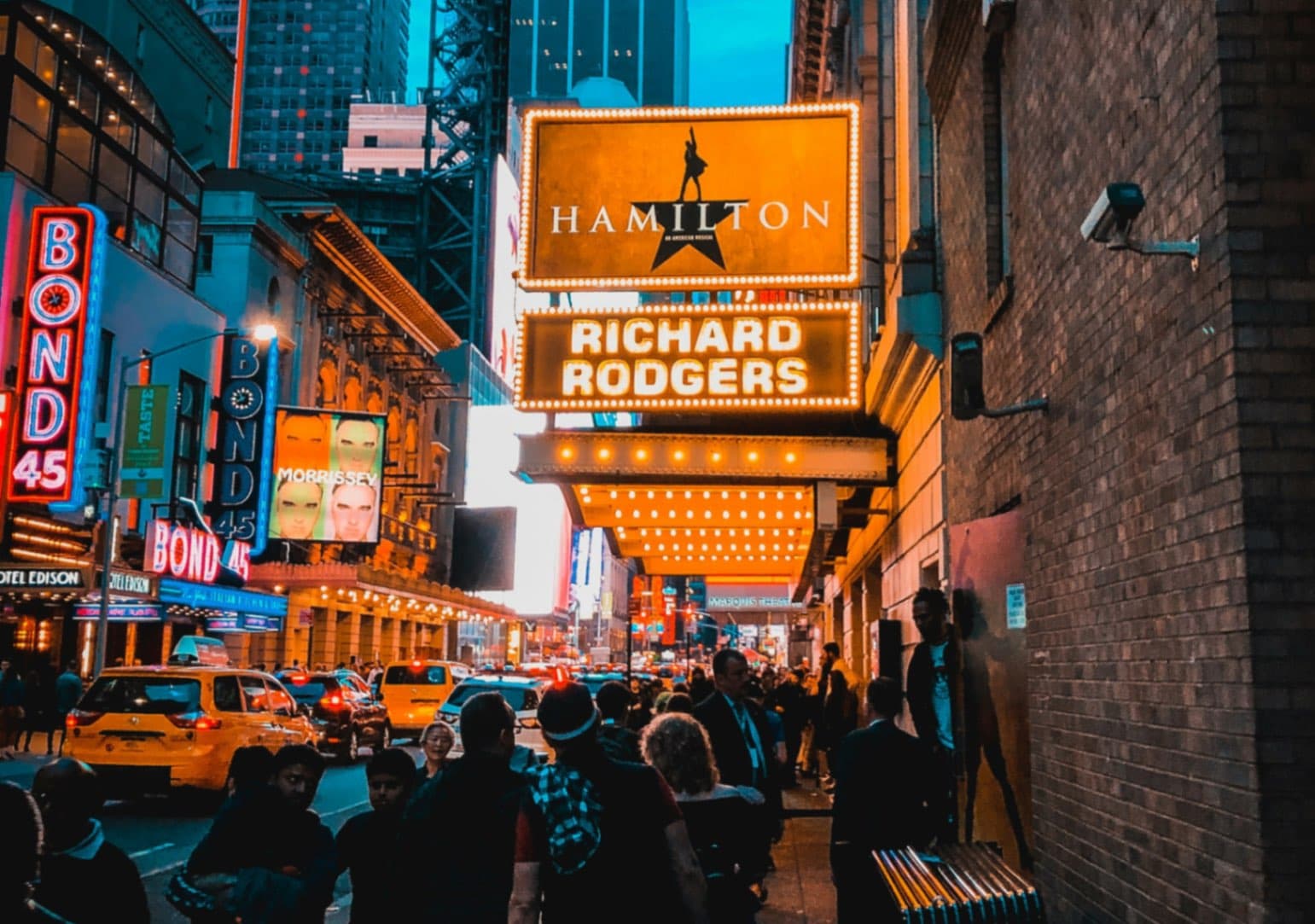
Local arts centers play a crucial role in strengthening community connections. When these spaces are designed to be accessible, inclusive, and welcoming, they become hubs where residents of all ages and backgrounds can gather, collaborate, and create. Hosting regular events such as open mic nights, community theater productions, or visual art exhibitions provides multiple entry points for participation. These events not only showcase local talent but also foster a sense of belonging and pride among participants and attendees alike.
Community engagement through the arts also helps reduce social isolation, particularly among vulnerable populations such as seniors, youth, and those experiencing mental health challenges. A study by the National Endowment for the Arts found that adults who engage in artistic activities are more likely to report strong social networks and better emotional well-being compared to those who do not participate in the arts at all (NEA 2017)1. When people come together over a shared interest, such as painting, acting, or dancing, it becomes easier to form lasting friendships and build resilient community ties.
Workshops as Tools for Emotional Wellness
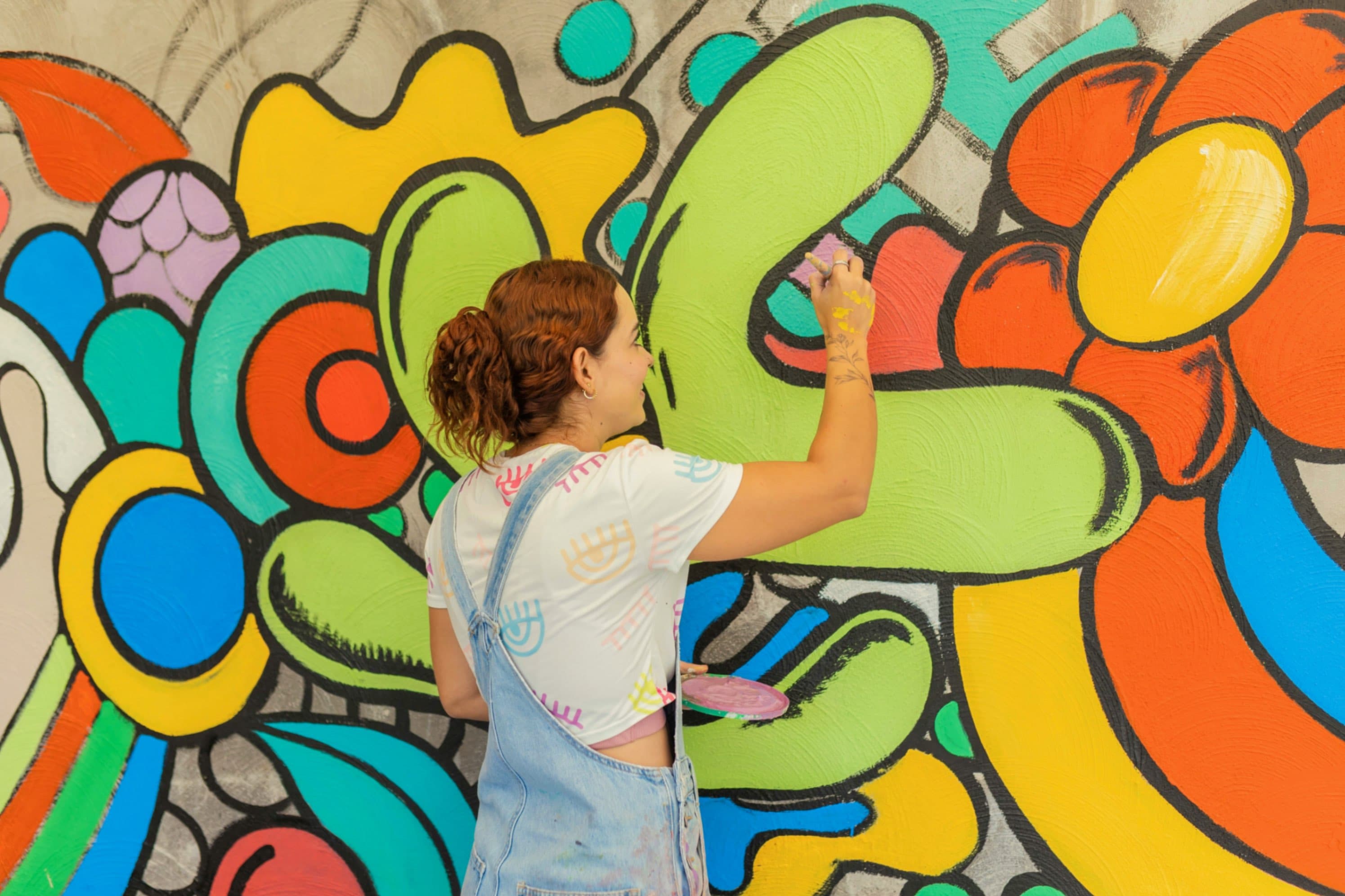
Facilitated arts workshops offer structured environments where individuals can explore their creativity while also gaining tools for emotional expression. Drama therapy, movement workshops, and community mural projects are just a few examples that combine creative expression with intentional reflection. These activities offer participants a way to process complex emotions, often without the need for verbal communication, which can be particularly beneficial for those who struggle to articulate their feelings through traditional talk therapy.
For public administrators and community program coordinators, organizing these workshops in collaboration with trained facilitators ensures both safety and effectiveness. According to the American Art Therapy Association, participation in structured art-making sessions has shown measurable outcomes in reducing symptoms of depression and anxiety, especially when guided by certified professionals (AATA 2021)2. Local governments can partner with regional universities or nonprofit organizations to source qualified instructors and expand access to these services. Grant funding from state arts councils or federal programs like the Substance Abuse and Mental Health Services Administration (SAMHSA) can also help offset costs and improve sustainability.
Art Therapy Programs in Community Settings
Art therapy programs, when integrated into broader community wellness strategies, can serve as preventative mental health interventions. These programs are particularly effective when embedded in schools, senior centers, or health clinics. For example, a community center that offers weekly art therapy sessions for teens can help reduce behavioral incidents and improve students' ability to manage stress. According to a study published in the International Journal of Art Therapy, participants in community-based art therapy programs reported increased self-esteem and improved emotional regulation after just eight to twelve sessions (Huss et al. 2012)3.
Implementing these programs requires thoughtful planning, including identifying appropriate spaces, hiring licensed art therapists, and ensuring confidentiality and inclusivity. Public sector leaders can support this by incorporating art therapy into existing health and wellness initiatives. Cross-sector collaboration between parks departments, public health agencies, and educational institutions can create integrated support systems. When these programs are promoted as part of a larger commitment to community health, they become more visible and accessible to those who need them most.
Building Sustainable Arts Infrastructure
Sustainability is a key consideration when developing long-term arts initiatives. One-time events can generate excitement, but lasting impact comes from permanent or recurring programs. Establishing dedicated arts coordinators within local governments or partnering with arts nonprofits can ensure that programs are continuously evaluated and adapted based on community needs. Creating advisory boards made up of artists, educators, and residents can also help guide programming and promote equity in decision-making.
Investment in physical infrastructure is another essential component. Renovating underused public buildings into creative spaces or allocating space in libraries and recreation centers for arts programming can significantly enhance accessibility. According to a report from Americans for the Arts, communities that invest in arts infrastructure see increased civic engagement and local economic growth, as arts programs often support small businesses and attract tourism (Americans for the Arts 2018)4. By creating spaces where creativity is encouraged and supported, local governments contribute not only to individual well-being but also to broader community vitality.
Practical Steps for Public Administrators
For those working in public administration, there are several actionable steps to enhance the mental health benefits of the arts within a community. First, conduct a needs assessment to identify gaps in current arts programming and mental health services. This can be done through surveys, focus groups, and stakeholder meetings. Use this data to inform program design and funding priorities. Second, build partnerships with local artists, arts organizations, and mental health professionals to co-create workshops and events that are both culturally relevant and therapeutically effective.
Third, seek funding through local, state, and federal grant programs that support arts and wellness initiatives. Agencies like the National Endowment for the Arts and local foundations often have grant cycles specifically aimed at community engagement and mental health. Finally, ensure programs are evaluated regularly using both qualitative and quantitative methods. Collect testimonials, track participation rates, and measure changes in self-reported well-being to demonstrate impact. By taking these steps, public administrators can use the arts as a strategic tool to improve community wellness, social cohesion, and individual mental health.
Bibliography
National Endowment for the Arts. "U.S. Patterns of Arts Participation: A Full Report from the 2017 Survey of Public Participation in the Arts." September 2019. https://www.arts.gov/sites/default/files/2017-sppa-full-report.pdf
American Art Therapy Association. "Art Therapy Makes a Difference." 2021. https://arttherapy.org/upload/ArtTherapyMakesADifference.pdf
Huss, Ephrat, Roni Kaufman, and Sara Avgar. "Arts as a vehicle for community building and post-disaster development." International Journal of Art Therapy 17, no. 1 (2012): 14-23.
Americans for the Arts. "Arts and Economic Prosperity 5: The Economic Impact of Nonprofit Arts and Cultural Organizations and Their Audiences." 2018. https://www.americansforthearts.org/by-program/reports-and-data/research-studies-publications/arts-economic-prosperity-5