Why THESE Conversations Matter for Health and Mental Wellness
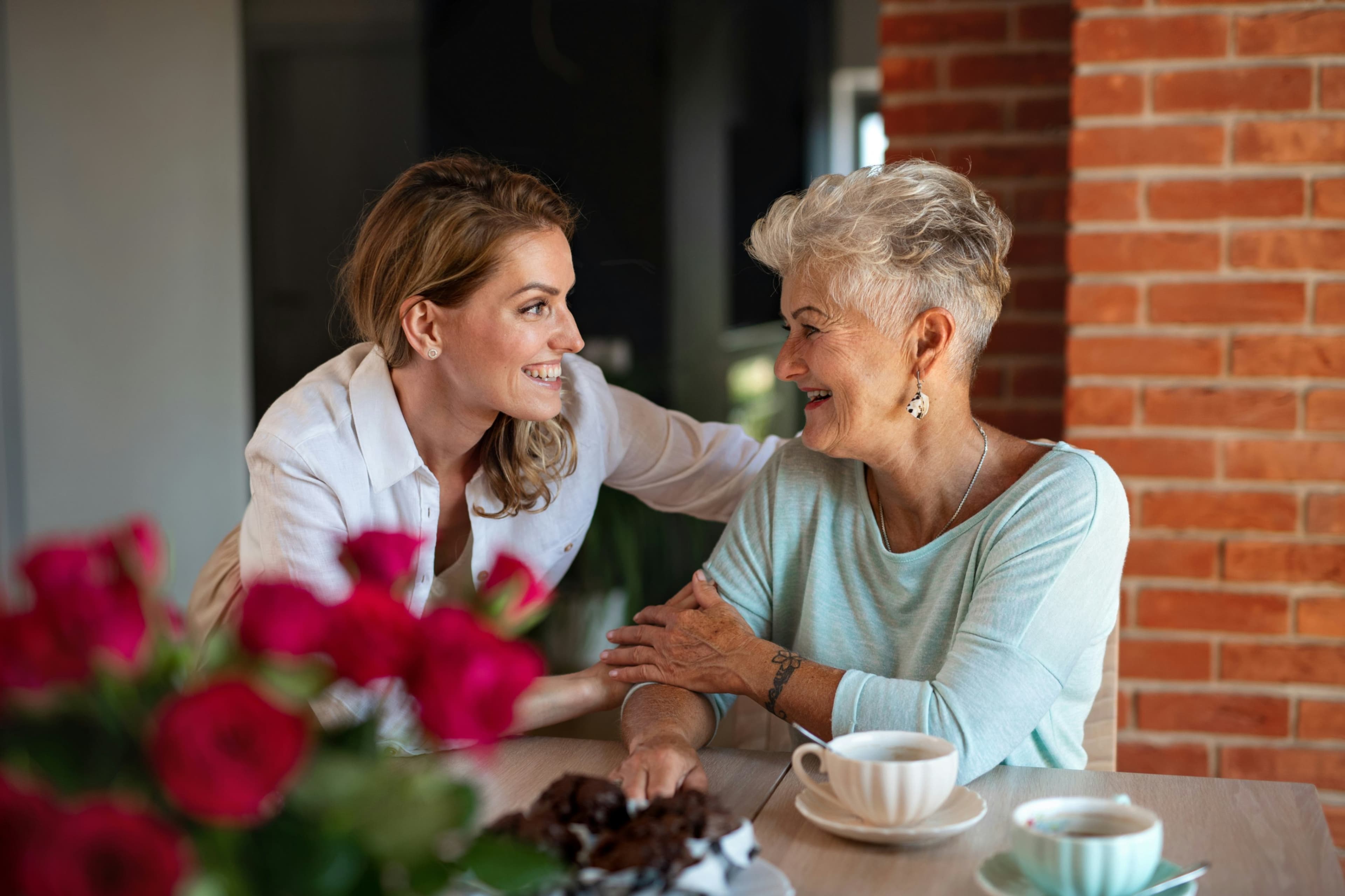
What I didn’t realize in those early moments with my mom was that avoiding these conversations wasn’t protecting either of us. It was doing the opposite. Unspoken fears, unshared preferences, and unanswered questions all became emotional weight we carried alone. These kinds of conversations are not just about logistics like power of attorney or retirement accounts. They're about dignity, autonomy, and mental peace for both the caregiver and the person receiving care. When families don’t talk about health and aging, decisions are often made in crisis, leading to confusion, regret, and unnecessary suffering.
Research shows that families who engage in advance care planning report less stress, anxiety, and depression when making end-of-life decisions for loved ones1. These conversations are critical to mental wellness because they allow individuals to voice their values, preferences, and fears in a safe space. Particularly in immigrant families, where language and cultural expectations differ between generations, these discussions can serve as bridges. They help clarify roles, reduce emotional burden, and increase family cohesion, all of which contribute positively to mental health outcomes for both caregivers and elders2.
Creating a Safe Space for Caregiving Conversations
Starting the conversation doesn’t mean sitting down for a dramatic, all-or-nothing talk. It can begin with small, thoughtful steps that build trust and openness. The first step is choosing the right setting. Avoid high-stress or emotionally charged moments. Instead, aim for a calm, private space—maybe over tea or during a walk—where everyone feels physically and emotionally safe. The goal is to invite, not impose. Using gentle language like “I’ve been thinking about how we can support each other as we all get older” can open the door without pressure.
Second, prepare yourself emotionally and factually. Know that these discussions may bring up old wounds or cultural taboos. Especially in communities where mental health is stigmatized or where filial piety is deeply ingrained, it’s important to acknowledge these barriers without judgment. Gathering basic information ahead of time—such as local caregiving resources, translation services, or culturally aligned support groups—can help make the conversation both more concrete and less overwhelming3. Visual aids like translated pamphlets or diagrams can also help bridge language gaps.
Using Cultural Fluency to Navigate Difficult Topics
One of the most valuable lessons I’ve learned is that cultural fluency matters as much as language fluency. In Korean culture, for example, discussing death directly can be seen as disrespectful or ominous. But that doesn’t mean the topic is off-limits. It means we need to approach it with cultural sensitivity. Instead of asking, “What should we do if you’re hospitalized?” I might ask, “What kind of help would make you feel most comfortable if you were very sick?” This reframing respects the cultural context while still addressing the critical issue.
Municipal programs that serve immigrant communities need to recognize and build on these nuances. Offering workshops in native languages, involving faith leaders or cultural mediators, and creating peer-led discussion groups can make a real difference. These efforts not only improve health outcomes but also strengthen trust between government and the communities they serve4. When families feel seen and respected, they are more likely to engage in conversations that support long-term mental wellness.
Encouraging Intergenerational Dialogue Through Municipal Support
From my work in municipal health departments, I’ve seen firsthand how local governments can play a pivotal role in facilitating these conversations. Hosting intergenerational storytelling events, for example, allows older adults to share life experiences that naturally transition into discussions about aging and care preferences. This method not only preserves cultural heritage but also enables younger family members to gain insight into their elders' values and emotional needs.
Municipal services can also partner with trusted community-based organizations to deliver culturally tailored caregiver training. These sessions can teach practical skills—like medication management or legal planning—while also addressing emotional resilience, communication strategies, and burnout prevention. Making such programs accessible through libraries, senior centers, or local schools helps normalize these conversations and provides families with tools to navigate them with confidence5.
Maintaining Mental Wellness for Caregivers and Elders
Caregiving is emotionally taxing, especially when layered with cultural expectations and communication challenges. Without support, caregivers often experience isolation, depression, and anxiety. Local governments can mitigate this by promoting mental wellness resources specifically tailored to caregivers. This includes access to counseling, support groups, and respite care. Studies indicate that caregivers who receive support report improved mental health and are more likely to sustain their caregiving roles without burnout6.
For elders, mental wellness is closely tied to autonomy and social connection. Even small policy changes—like providing language-accessible mental health services or funding community centers that offer culturally relevant activities—can have a measurable impact. When elders feel heard and involved in their own care planning, their sense of dignity and emotional well-being improves. These are not just soft metrics; they are essential indicators of healthier communities.
Conclusion: Building a Culture of Care Through Conversation
Looking back, I wish I had started the conversation with my mom earlier. Not because I had all the answers, but because the simple act of asking would have shown her she wasn’t alone. For municipal leaders and practitioners, the takeaway is clear: fostering environments that encourage these personal conversations can lead to broader community health benefits. It starts with culturally informed programs, accessible resources, and a commitment to mental wellness that includes both caregivers and those they care for.
Health and mental wellness are inseparable from the social and emotional fabric of our families. By empowering residents to talk openly—across language, culture, and generations—we create not only healthier individuals but more resilient communities.
Bibliography
Sudore, Rebecca L., et al. "Defining Advance Care Planning for Adults: A Consensus Definition from a Multidisciplinary Delphi Panel." Journal of Pain and Symptom Management 53, no. 5 (2017): 821-832.
Yoo, Grace J., Mai-Nhung Le, and Alan Y. Oda. "Communication and Aging in Immigrant Families: Health Beliefs, Language Barriers, and Cultural Norms." Journal of Cross-Cultural Gerontology 27, no. 2 (2012): 137-155.
Administration for Community Living. "Cultural Competency in Aging Services: A Guide for Service Providers." U.S. Department of Health and Human Services, 2021. https://acl.gov.
National Association of County and City Health Officials (NACCHO). "Engaging Immigrant and Refugee Communities in Local Health Planning." Issue Brief, 2020. https://naccho.org.
Tran, Tuan D., et al. "The Role of Community-Based Organizations in Facilitating Intergenerational Communication Around Health and Aging." Health Promotion Practice 22, no. 3 (2021): 375-382.
Schulz, Richard, and Lynn M. Martire. "Family Caregiving of Persons with Dementia: Prevalence, Health Effects, and Support Strategies." American Journal of Geriatric Psychiatry 12, no. 3 (2004): 240-249.