Walking with a Killer into the Shadows
Walk with me for a minute. I want to take you on a terrifying ride-along in the best way that I can, writing.
Undercover work taught that integrity is not just a value on paper but a line that lives in a person's gut. That lesson crystallized one day in narcotics when the stakes were a homicide, a pending arrest, and a man walking next to me who might have been willing to kill again.
The Moments Leading to a Crucible
The streets of New York City during my time in narcotics were a labyrinth of shadows and secrets, where every corner held potential threats, and every conversation could unravel lives. I was undercover, blending into the underbelly of the violent drug trade, when I spotted him: a figure I immediately recognized from intelligence reports on a shooting just days prior. He was no ordinary contact; he was a person of interest in a violent crime that had left the department scrambling for leads. The air felt thicker that afternoon as we fell into step together, the city's hum masking the tension building inside me. We had been building rapport in the narcotics operation, but this encounter shifted everything when I received an update: probable cause had been established for his arrest on the shooting charge. In that instant, the rules of engagement changed, and so did the moral landscape of the moment.
The Walk and the Weight
Our footsteps echoed on the pavement as we moved through the bustling sidewalks, his casual stride contrasting the storm in my mind. He began to open up, spilling details about suppliers, drop points, and even hints at his recent troubles, information that flowed too freely for comfort in his line of work.
One part of me fixated on the possibility that he had pierced my cover; his questions felt probing, like he was testing my reactions, verifying if I was truly one of them or an undercover detective slipping through the cracks. The fear gnawed at me, a reminder of how thin the veil could be in these operations, where a single wrong word could end everything. Yet, an even deeper terror gripped me: what if this was no test at all, but a deliberate lure? He had a history tied to violence, and walking beside him, isolated in the crowd, I could not shake the image of becoming another victim, my body left in some alley as the next headline. The dual threats pressed in, heightening every sense, from the distant sirens to the weight of my concealed weapon.
The Firearm and the Line
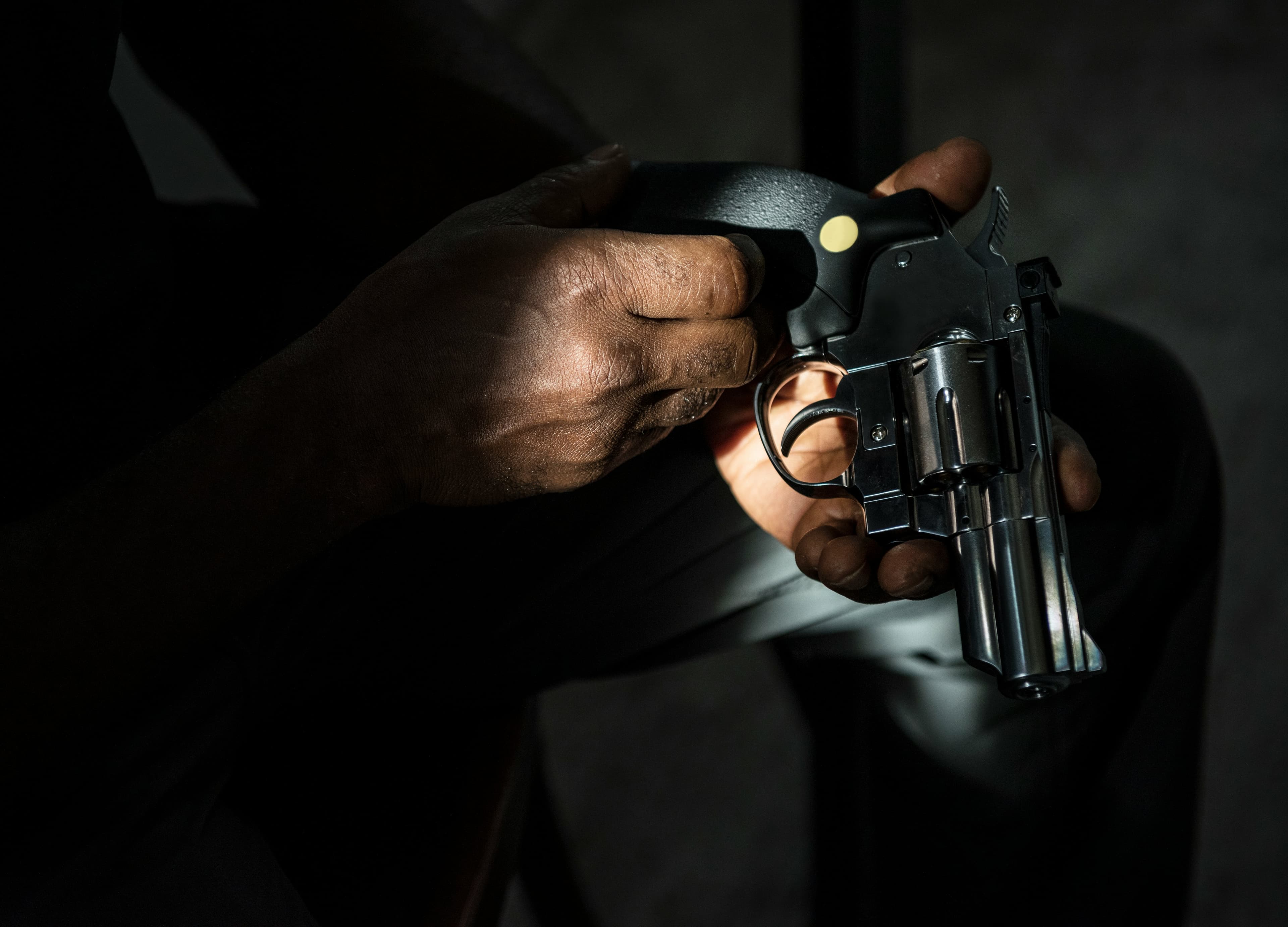
The moment escalated when he shifted his jacket and casually revealed a firearm, almost as if he was showing off a new watch. In that instant, the situation narrowed to a razor's edge, and I had to toe the line between safety, arrest, and obligation to the law. Every instinct screamed at me that I was in immediate danger, and I was terrified in a way that is hard to explain outside of that world, because I knew I was standing next to a homicide suspect who was both armed and unpredictable.
De-escalation became my lifeline; instead of reacting to the weapon with panic or aggression, I used conversation, tone, and body language to keep him talking, keep him calm, and keep his focus away from sudden violence. Managing that dialogue with an armed suspect required balancing my own survival with the need to preserve the integrity of the eventual arrest, making sure that when the moment came, it would be lawful, controlled, and as safe as possible for everyone involved.
Due Process and the Poisonous Tree
Amid the adrenaline, a core principle anchored me: the law demands rigor, and once probable cause exists, the right to an attorney becomes non-negotiable. This man, despite his suspected crimes, was entitled to those protections, and continuing to extract information without them violated everything the badge stood for.
The doctrine of "fruit of the poisonous tree" loomed large in my thoughts, a legal safeguard that excludes evidence obtained through unconstitutional means, a 5th amendment non-negotiable, ensuring that tainted fruits do not poison the entire case. Anything he shared now would be inadmissible, potentially derailing the prosecution we were building, yet the temptation to push further was real in the isolation of the street. I wrestled with the ethics of deception inherent in undercover work, knowing that while it serves justice, it must never cross into entrapment or coercion. This internal conflict colored the fragility of integrity under pressure, where the ends do not justify unlawful means.
Fear, Ethics, and Identity
Undercover assignments demand a psychological tightrope, balancing immersion in a criminal world with unwavering adherence to ethical standards. In that walk, the fear was multifaceted: personal survival clashed with professional duty, and the ethical debate over deception felt immediate rather than theoretical. Studies on undercover policing highlight the toll of such roles, including heightened stress from constant vigilance and the moral ambiguity of feigned alliances.
I recalled training sessions emphasizing that true officers maintain honesty in reporting and avoid embellishing facts, even when it might strengthen a case. Yet, there on the street, no supervisors watched, no body cameras rolled; it was just me, him, and the oath I swore to uphold the Constitution above all. This solitude tested the essence of service, reminding me that integrity in law enforcement means treating every individual with respect, regardless of their actions, and cooperating fully within legal bounds.
Why the Story Still Matters
Reflecting on this after leaving public safety, I see it as a defining benchmark for what makes an officer serviceable: the commitment to doing right when no one is watching. Integrity is not performative; it is the quiet resolve to follow policies, report accurately, and prioritize public trust over shortcuts.
Departments today emphasize this through ethics training, accountability measures like citizen review boards, and rotating assignments to prevent corruption from taking root. For me, that day reinforced the policing code's call to safeguard lives without unnecessary force or bias, honoring the public's faith in the badge.
In an era of scrutiny, officers who embody this unseen integrity rebuild legitimacy, one principled decision at a time. It is this bar that separates mere enforcers from true public servants, fostering a culture where justice prevails even in the shadows.
These are the stories I want to capture in CityGov. Lived experience and lessons learned so that when we move on, our experiences are left to the world to learn from and thrive. I ask that you copy this article link and share it with friends, colleagues, and family as appropriate to help make this vision come to life.
More from Public Safety
Explore related articles on similar topics