The Puzzle of Progress: Fitting Together Pieces of Educational Reform

As society evolves, the systems that propel it must similarly adapt. One of the key pillars of a thriving society is education. Given a mandate by the Ministry of Education to design a framework of “Quality Education for All,” with a keen eye on the numerous complex issues our world faces today, education reform becomes paramount1. A complete overhaul and restructuring of education is necessary to cultivate young minds in the critical fields that are vital for societal progress and enhancement. Education, a dynamic entity, requires equally dynamic approaches to realize its goal1.
Challenges of Education Reform
Monroeville (2018) suggests that “with extremely limited land mass, tourism challenges and an inability to compete globally in manufacturing, Barbados should consider the knowledge-based economy as its primary approach to the future.”8 Current challenges to education reform include finances, politics, teacher training, and attitudes towards education.
Civic and Citizenship Education
Democracy requires citizens who are committed to their community, open-minded society, solidarity, and social equity (Dahrendorf 2003, as cited in Al-Omary, 2014)2. These ideals are all encapsulated in citizenship education, primarily taught through the social studies syllabus across the region. The revision of such syllabi must include assisting students to comprehend complex societal problems and create enlightened, well-informed, and knowledgeable citizens (Howe & Marshall, 1999)6. Such citizens would be beneficial not only to their country but also to the world.
Technology and Innovation
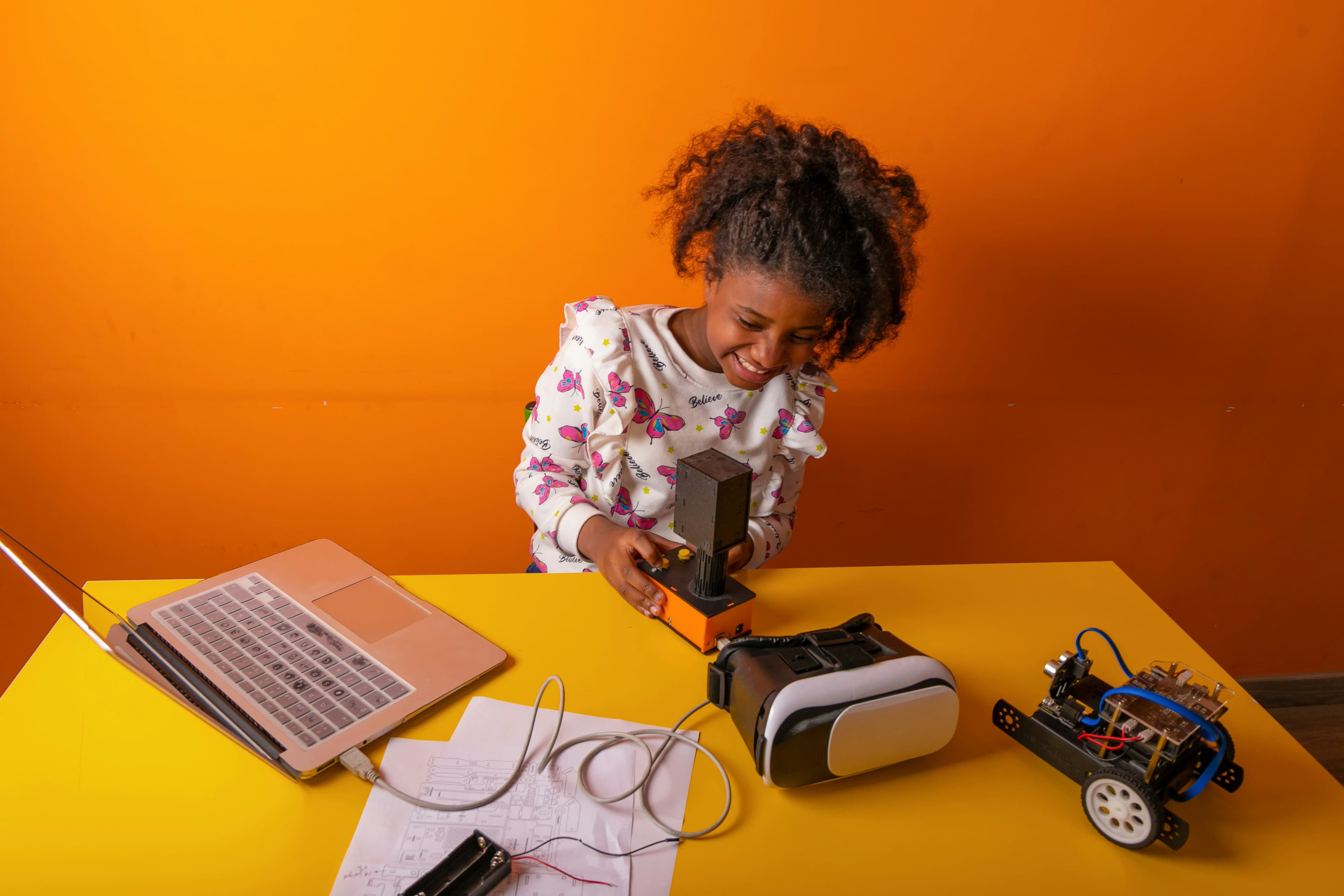
Technological advancement has simplified life, work, and family life. Students are given numerous opportunities to use and manipulate technology within their classrooms. Technology education is viewed as a necessity for life. It prepares pupils to participate in tomorrow’s rapidly changing technologies and teaches them to think and intervene creatively to enhance life (DfEE/QCA,1990, as cited in Hope,2004)11.
Science
Early exposure to science helps children develop problem-solving skills and fosters a lifelong interest in the natural world (Kidscource.com as cited in Barredo, 2014)3. Students who study science early are better equipped to tackle the scientific issues our world will face in the future (Cook, n.d)5. Science and technology work hand in hand to solve many of the problems faced by the human population, such as pollution, climate change, crime, and disease. Many initiatives or programs are created to research these problems.
Conclusion
The Caribbean, as a region, is seen as “same but different”. Each country has its own unique and complex problems. The varying landscape and multifaceted environmental issues form the backdrop against which any curriculum reform will manifest. Historically, education was for the rich, this notion has since been replaced with an understanding that it is a country’s responsibility to provide quality education for all children. Curriculum change and reform must include research, creation, and modernization of current educational programs. The 21st century has presented the world with the challenges of technology, globalization, and sustainable living. Children must be given opportunities to grow and mature into young adults who have been equipped to live in this complex and challenging world.
Bibliography
Adeyemi, B.A. (2018). Content analysis of Civic Education curriculum in senior secondary schools in Osun State, Nigeria. Educational Research and Reviews, [online] 13(12), pp.464–471. Available at: https://files.eric.ed.gov/fulltext/EJ1182800.pdf [Accessed 28 May 2020].
Al-Omary, A. (2014). Young Scholars Conference April 2014 Creating a Democratic Generation. [online] Available at: https://www.sdu.dk/-/media/files/om_sdu/centre/c_mellemoest/djuco/ysc+2014/alomary.pdf [Accessed 28 May 2020].
Barredo, K. (2013). Strategic Intervention Materials in Science. [online] classroom20.com. Available at: https://classroom20.com/profiles/blogs/strategic-intervention-materials-in-science [Accessed 28 May 2020].
Chan, M. (2013). Shibboleth Authentication Request. [online] login.ezproxy4.lib.le.ac.uk. Available at: https://www-sciencedirect-com.ezproxy4.lib.le.ac.uk/science/article/pii/S0140673613609447 [Accessed 1 Jun. 2020].
Cook, J. (2009). Importance of Teaching Science in Elementary School | Synonym. [online] Synonym.com. Available at: https://classroom.synonym.com/importance-teaching-science-elementary-school-5810234.html [Accessed 6 Dec. 2019].
Howe, G. and Marshall, D. (2020). Citizenship Education, Democracy and Global Shifts Re-Thinking Caribbean Social Studies. [online] Research Gate. Available at: https://www.researchgate.net/publication/238108346_Citizenship_Education_Democracy_and_Global_Shifts_Re-Thinking_Caribbean_Social_Studies [Accessed 10 Jun. 2020].
Monerville, C. (2018). Education reform for economic growth. [online] www.nationnews.com. Available at: https://www.nationnews.com/nationnews/news/200867/education-reform-economic-growth [Accessed 6 Jun. 2020].
Wilson Peacock, K. (2008). Natural Resources and sustainable Development. [online] New York: Facts On File. Available at: https://www.google.com/books/edition/Natural_Resources_and_Sustainable_Develo/BdLJnR2GIUsC?hl=en&gbpv=0 [Accessed 10 Jun. 2020].