The Power of Words: How Government Messaging Shapes Public Trust

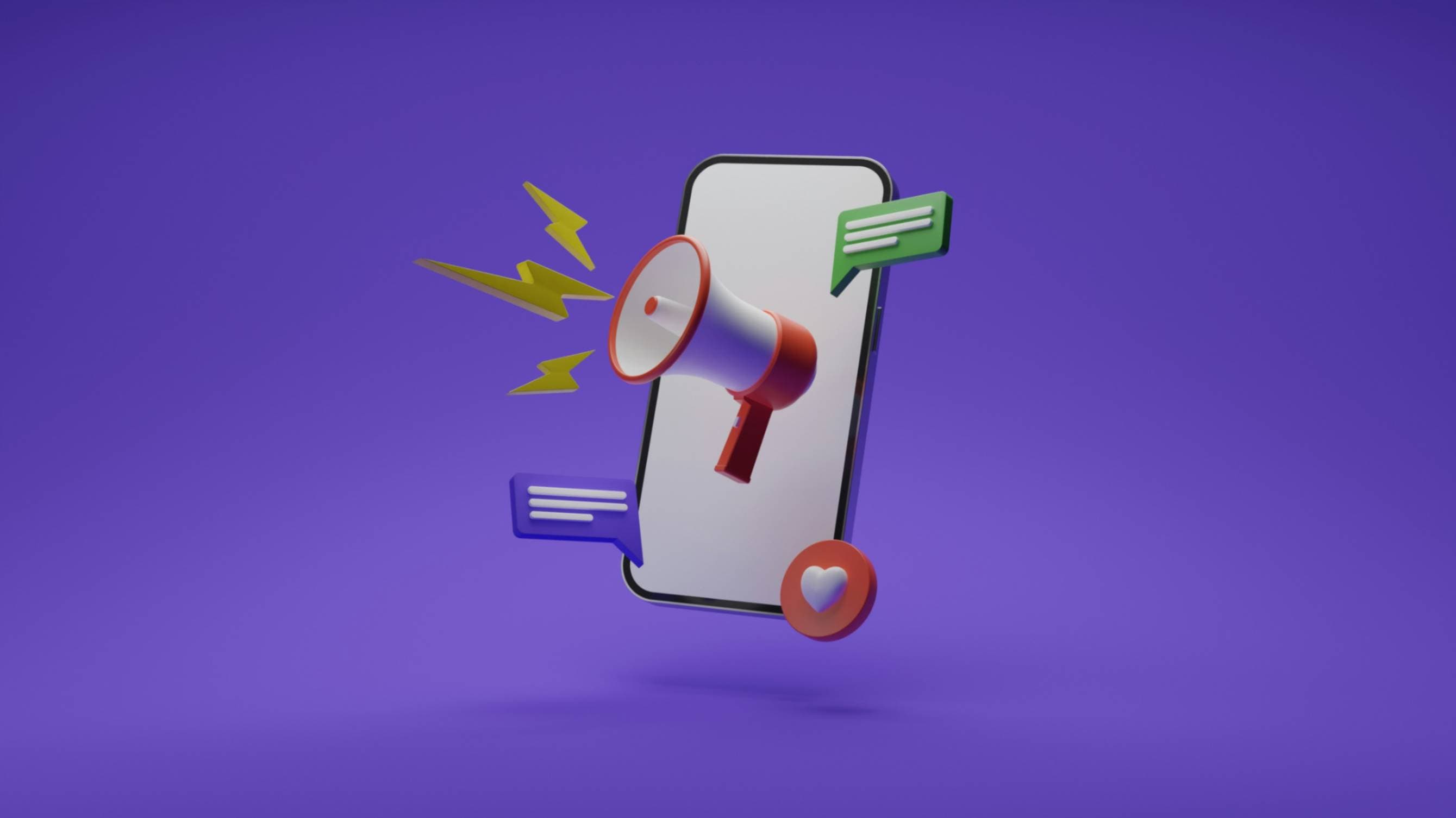
Media and messaging play an essential role in shaping how governments communicate, build trust, and engage with citizens. In today’s digital world, good communication is not just about sharing information - it’s also about making people feel connected and understood. Every public announcement, campaign, or online post can influence how people see their city and its leaders. That’s why clear and thoughtful messaging is a key part of effective government work.
Media acts as the link between government agencies and the people they serve. From local TV news to social media, these tools help share important updates, increase transparency, and involve people in their communities. In cities like Denver, media teams use both traditional and digital platforms to keep residents in the loop about city projects and events. The goal is to make communication quicker, clearer, and easier for everyone to access.
Crafting Effective Messages
Good messaging is more than just sharing facts. It’s about how those facts are presented and remembered. Strong communicators adjust their messages for different groups of people so the message connects better. For example, a public safety alert needs to be short and direct, while a campaign about recycling might use pictures and stories to get people to change their habits over time.
The key is finding the right mix of accurate information and emotional impact. Governments need to both inform and build trust. By thinking about tone, format, and timing, public communicators can make sure their messages are not only heard but also meaningful. This careful approach helps strengthen the bond between city leaders and the people they serve.
Case Study: Denver’s Strategic Approach
Denver is a great example of how modern cities can use media to build public trust. The city’s communication teams use tools like open-data dashboards, newsletters, and interactive websites to keep people updated. These tools help make government more open and make it easier for residents to find information about city services and projects.
In emergencies, having a clear media plan helps make sure the right information gets out quickly before rumors can spread. Fast and accurate updates are especially important during a crisis, and Denver has invested in systems that focus on speed and truth. This kind of open and honest communication helps people feel confident that their city is looking out for them.
Best Practices for Government Communication
There are a few simple best practices that can make government communication more effective. First, use plain language and easy-to-understand visuals so that everyone, no matter their background or education, can understand the message. Clear communication helps prevent confusion and makes sure important details reach everyone.
It’s also important for all parts of the city government to use the same style and voice, so messages feel consistent and trustworthy. Encouraging two-way communication - like surveys, public meetings, or social media conversations - helps people feel included and valued. And finally, having a plan for how to communicate during a crisis helps make sure messages stay accurate and timely, keeping public trust strong even during tough times.
Conclusion: Building Stronger Communities Through Messaging
In conclusion, media and messaging are more than just ways to share information - they are tools that help cities connect with their people. When used well, they make government more open, encourage teamwork, and build community trust. Being able to share clear and meaningful messages is a must for today’s city leaders.
Cities like Denver are showing how smart communication can help build stronger, more involved communities. By focusing on honest, clear, and inclusive messaging, governments can create lasting partnerships with the people they serve.