The Joyful Classroom: Where Movement Meets Mastery
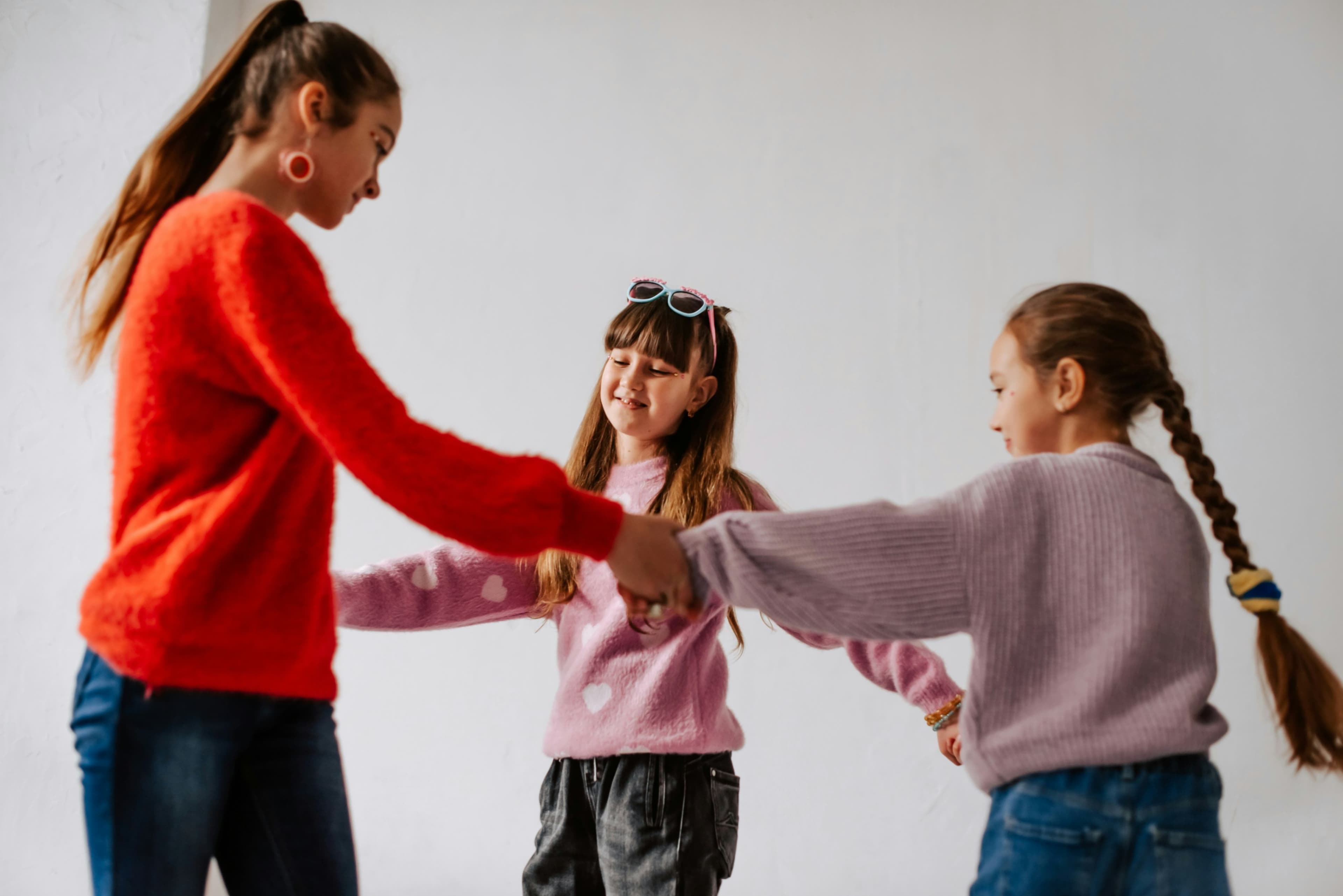
When we designed our program, we were intentional about integrating enjoyable, movement-based activities into the daily schedule. This was not just to fill time between academic blocks, but to create a rhythm that supported students' cognitive and emotional needs. Research shows that physical activity enhances executive functioning, memory, and attention in children, particularly those with ADHD or other learning differences (Best 2010)1. By embedding kinesthetic games, dance, and outdoor explorations between literacy and project-based sessions, we created natural transitions that helped students regulate their energy and return to learning with renewed focus.
We also recognized the importance of sensory-friendly environments. Many of our students experience sensory processing challenges, which can make traditional school settings overwhelming. In response, we incorporated predictable routines, soft lighting, noise-dampening materials, and quiet corners into our camp layout. These elements were not add-ons but essential components that made learning accessible. Staff received training on identifying signs of sensory overload and offering students structured breaks. This approach aligns with best practices in inclusive education, where sensory regulation is considered a foundational strategy for engagement and learning (Ashburner et al. 2008)2.
Building Predictability Through Routine and Structure
Predictable routines were a cornerstone of our camp model. Every day followed a consistent schedule, reinforced visually and verbally, so that students knew what to expect. This consistency reduced anxiety and allowed students to transition more smoothly between activities. For students with intensive needs, especially those on the autism spectrum, predictability can be a powerful tool for creating a sense of safety and trust (Wong et al. 2015)3. Our morning check-ins, group rituals, and end-of-day reflections became comforting anchors that grounded the learning experience.
We also embedded flexibility within the structure to accommodate individual needs. For example, while all students participated in a literacy block, the tasks within that block were differentiated by reading level, interest, and mode of expression. Some students used graphic organizers and sentence starters, while others created audio recordings or comic strips to demonstrate comprehension. This level of intentional scaffolding was essential for ensuring that every student could access the content meaningfully, without feeling either bored or overwhelmed. Differentiated instruction, supported by Universal Design for Learning principles, is a well-documented strategy for supporting diverse learners in out-of-school time settings (CAST 2018)4.
Fostering Peer Relationships Through Supportive Partnerships
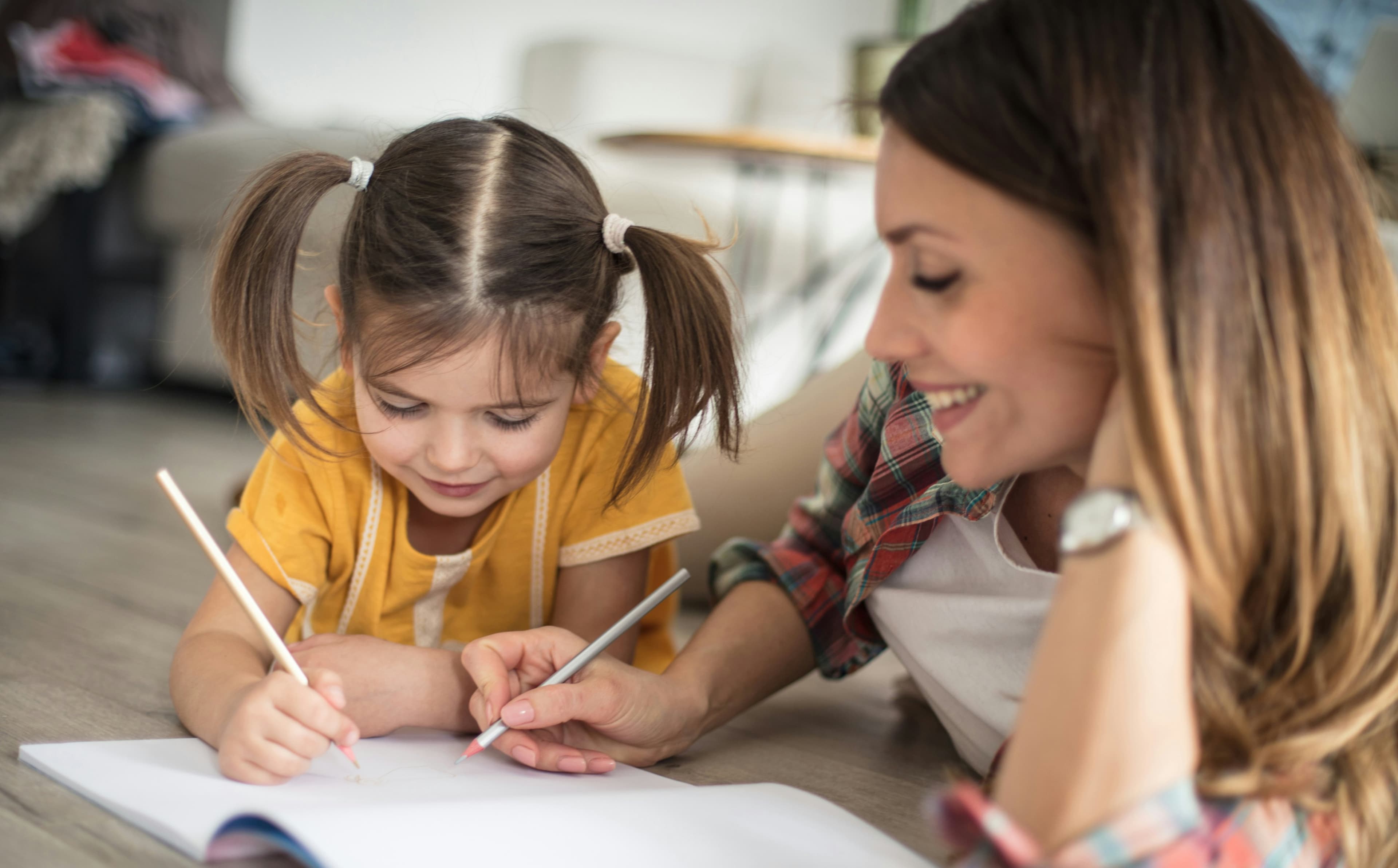
One of the most transformative elements of our program was the peer partnership model. We paired students in mixed-ability dyads or small groups, where they could collaborate on hands-on projects and literacy tasks. These partnerships were intentionally designed to blend academic support with social-emotional growth. Students learned how to listen, encourage, and problem-solve together. For many of our participants, this was their first experience being seen as a helper rather than someone who always needed help. This shift in identity proved powerful in boosting self-esteem and engagement.
Peer-mediated instruction has been shown to enhance learning outcomes, particularly for students with disabilities or those who struggle in traditional classrooms (Carter et al. 2005)5. In our practice, we observed that students became more motivated when working alongside a buddy, especially when the activity involved cooperative problem-solving or creative expression. We also structured opportunities for reflection, where students could acknowledge each other's contributions. These moments of peer affirmation helped build a culture of mutual respect and belonging, which is essential for inclusive learning environments.
Integrating Community and Cultural Traditions
Community-building was not an afterthought in our program design. We embedded local cultural traditions and community knowledge into our curriculum to create a sense of rootedness and relevance. For instance, storytelling circles drew from oral traditions familiar to many of our students' families, while cooking projects involved recipes passed down through generations. These activities not only fostered pride and identity but also served as rich texts for literacy development. Students wrote narratives based on family memories, created recipe books, and interviewed elders, all while strengthening core academic skills.
Incorporating culturally responsive pedagogy into after-school and summer programming is an evidence-based approach to raising student engagement and achievement (Gay 2018)6. By affirming students' backgrounds and values, we created a learning environment that felt personalized and meaningful. Parents and caregivers also became more involved, contributing materials, stories, and even co-leading activities. This intergenerational involvement deepened the impact of our program and strengthened the bridge between home and learning spaces.
Recommendations for Practitioners and Municipal Leaders
For municipal leaders and education practitioners seeking to replicate or support programs like ours, the key lies in integration rather than separation. Academic and recreational elements should not be siloed. Instead, they can be blended to serve the whole child. Start with a framework that values joy, sensory well-being, and student agency alongside skill development. Ensure that staffing models include educators trained in differentiated instruction and trauma-informed care, and provide ongoing professional development to support reflective practice and continuous improvement.
Funding and policy decisions should also prioritize accessible, inclusive programming. This includes investing in facilities that are physically and sensory accessible, transportation that accommodates varied needs, and partnerships with local organizations that can contribute cultural and professional expertise. Evidence suggests that well-designed out-of-school time programs can mitigate summer learning loss, increase engagement, and improve long-term academic outcomes, particularly for high-need students (McCombs et al. 2011)7. By approaching after-school and summer learning as a strategic investment rather than an add-on, municipal systems can create equitable opportunities for all learners to thrive.
Bibliography
Best, John R. 2010. "Effects of Physical Activity on Children's Executive Function: Contributions of Experimental Research on Aerobic Exercise." Developmental Review 30 (4): 331-351.
Ashburner, Jill, Sylvia Ziviani, and Sylvia Rodger. 2008. "Sensory Processing and Classroom Emotional, Behavioral, and Educational Outcomes in Children with Autism Spectrum Disorder." American Journal of Occupational Therapy 62 (5): 564-573.
Wong, Cathy, Connie Kasari, Amanda Freeman, and Tanya Paparella. 2015. "The Evidence-Based Practices for Children, Youth, and Young Adults with Autism Spectrum Disorder." Journal of Autism and Developmental Disorders 45 (7): 1951-1966.
CAST. 2018. "Universal Design for Learning Guidelines Version 2.2." Center for Applied Special Technology. https://udlguidelines.cast.org.
Carter, Erik W., Craig H. Mason, and Carolyn Hughes. 2005. "Peer Support Interventions for Students with Intellectual Disabilities Participating in General Education Classes." Research and Practice for Persons with Severe Disabilities 30 (1): 15-25.
Gay, Geneva. 2018. Culturally Responsive Teaching: Theory, Research, and Practice. 3rd ed. New York: Teachers College Press.
McCombs, Jennifer Sloan, Catherine Augustine, Heather Schwartz, Laura Zakaras, and John Smith. 2011. "Making Summer Count: How Summer Programs Can Boost Children's Learning." RAND Corporation. https://www.rand.org/pubs/monographs/MG1120.html.
More from Education
Explore related articles on similar topics