The Educator They’ll Remember: A Guide for the Next Generation
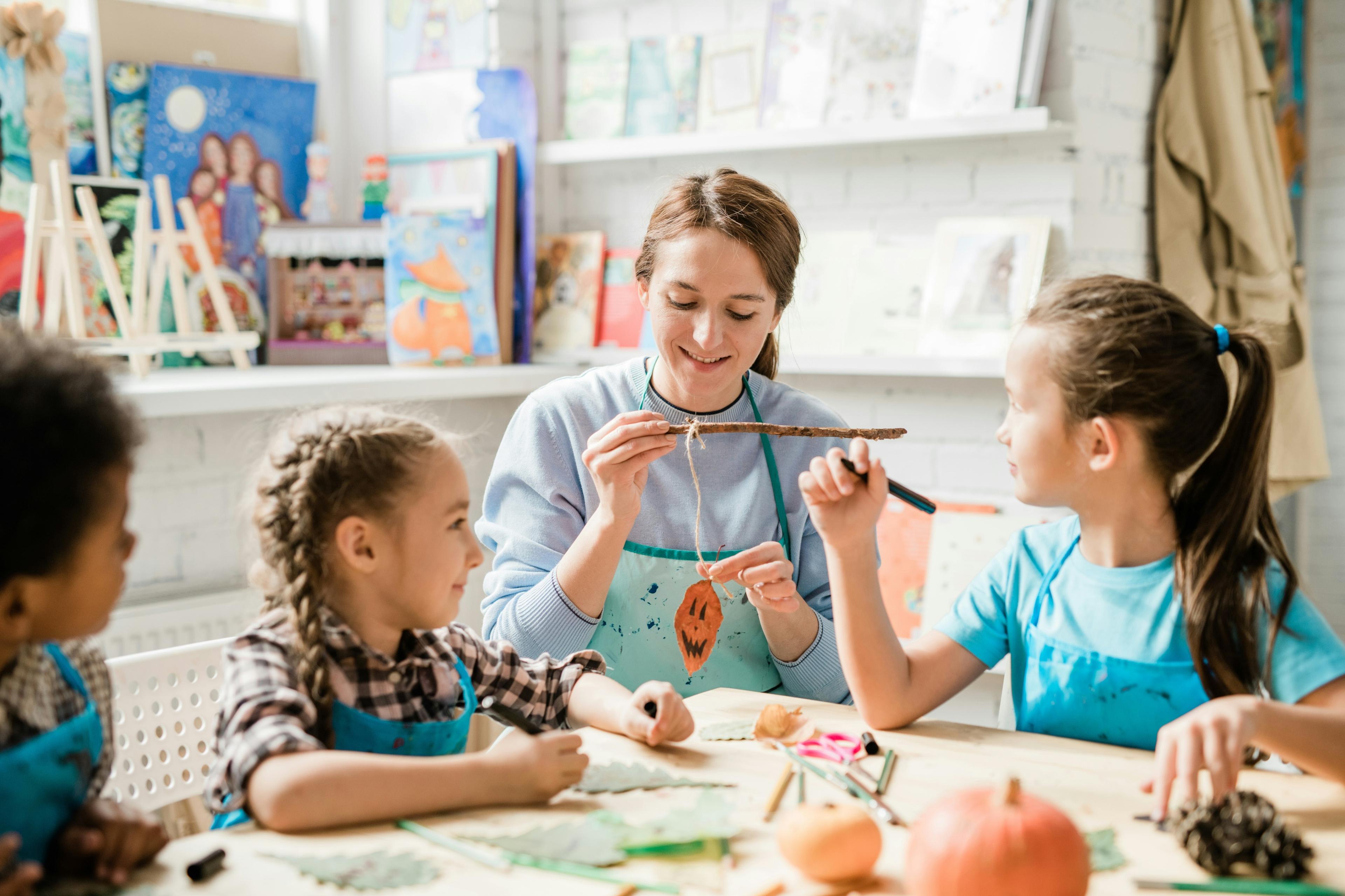
As a prospective early childhood educator, you're embarking on a fulfilling and crucial journey. You're not just teaching the basics; you're shaping lives, molding minds, and instilling lasting habits. It's impactful, intentional, and personal work, but it is also multifaceted.
The next wave of early childhood educators needs to be more than caregivers. They must be responsive, reflective, and adaptable to a rapidly changing world. If you're contemplating how to stride into your first classroom with confidence, I'm going to share some lessons I've learned over years of leadership, mentorship, and witnessing greatness sprout from the grassroots.
1. Be Intentional—Every Moment Matters
One of the most crucial lessons I can impart is this: every moment in your classroom is invaluable and should be treated as such. Children are learning not just during structured activities, but during clean-up, transitions, and even the walk to the playground.
In my programs, we incorporate mindfulness into all our activities. We engage in centering exercises like breathwork or reflection in the morning. We use mindful cues to assist transitions. We take a moment to notice, to breathe, to be present.
When you lead with intention, you optimize your efforts. Always question yourself:
“Why am I doing this—and is it for the child’s benefit?”
If the answer is yes, then you're on the right path.
2. Build Relationships Before Routines
Of course, structure and boundaries are important. But before you can steer a child, you need to form a connection. Young children prosper when they feel safe, seen, and heard.
Smile at drop-off. Sit with them on the floor. Ask about their favorite toy or their pet. These little moments build trust—and trust paves the way for learning.
“Children don't care how much you know until they know how much you care.”
3. Let Play Be Your Curriculum
In a world hurtling towards benchmarks and assessments, remember this: Play isn't the antithesis of learning—it is learning. Through play, children explore cause and effect, develop social-emotional skills, experiment with concepts, and creatively solve problems. Don't merely allow play—plan for it. Safeguard it. Celebrate it.
4. Observe Like a Scientist, Respond Like a Coach
Great teachers don't merely adhere to lesson plans—they read the room, tune into behavior, and make on-the-fly adjustments. Is the class consistently unruly at a certain time? Examine your transitions. Is a particular child always disruptive during story time? Perhaps they need a different seating arrangement or a movement break. Your task isn’t to control behavior—it’s to comprehend it and guide it with empathy and clarity.
5. Lift Every Voice, Not Just the Loud Ones
Some children will vocalize their thoughts, others will communicate through puppets, and some will express themselves through their eyes, their art, or their actions. Learn each child’s language and help them develop it. Inclusion isn’t just about allowing them to be present—it's about making space for them to shine.
6. Reflect with Courage and Grace
You will make mistakes. Lessons will flop. An activity you labored over might last a fraction of the time you anticipated and descend into chaos. That's okay.
You are learning. This is your practice.
Forgive yourself. Reflect on what happened, why it happened, and what you’ll attempt next time. In early childhood education, a “fail” is never a failure if you use it as an opportunity to grow.
Every misstep is a masterclass in becoming better for your students.
7. Partner With Families, Not Just Inform Them
Parents and caregivers are your allies. Build bridges of trust and mutual respect. Share triumphs, not just challenges. Seek their insights. And remind them that you’re not just teaching their child—you’re growing with them. When families feel empowered and connected, children flourish.
Final Thought: Teach With Heart, Lead With Purpose
To all student teachers reading this: The future of education is in your hands—and it looks promising from my perspective.
Lead with intention. Stay grounded in your purpose. Make room for joy and reflection in equal measure. Take pride in the journey, even when it gets messy. Because the best early childhood educators don’t just prepare children for school. They prepare them for life.


Join the discussion
Members can read and add comments on every article.