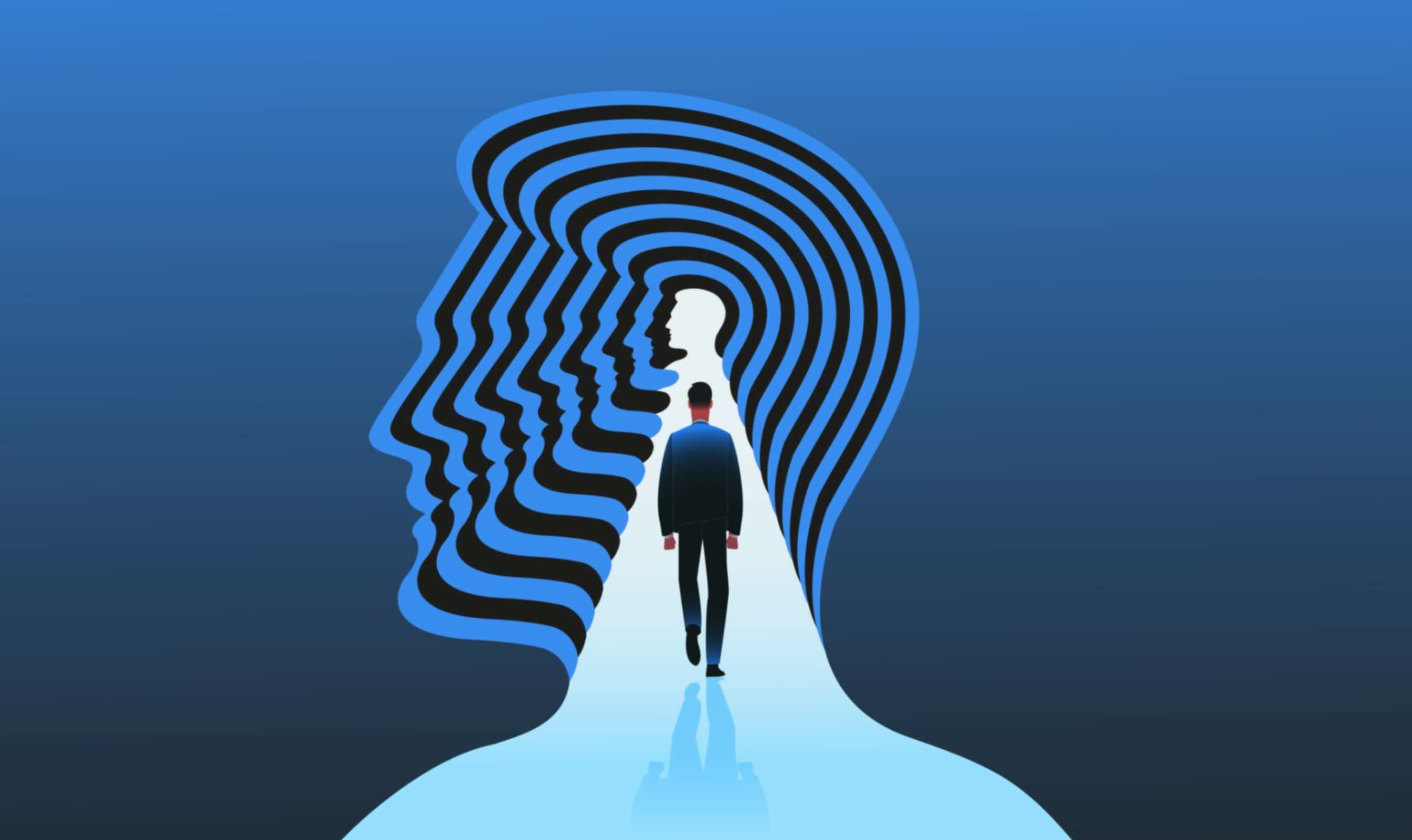
The Dopamine Effect: How Social Media Rewires the Brain
Social media platforms are designed to trigger the brain’s reward system, particularly through the release of dopamine, a neurotransmitter closely linked with pleasure and motivation. When users receive likes, comments, or shares, their brains register these actions as social rewards, creating a feedback loop that encourages continued engagement. This process is comparable to the neurological responses associated with other reward-driven behaviors. A study published in the journal "Psychological Reports" found that social media interactions activate the same brain regions involved in addiction and reward processing, reinforcing compulsive usage patterns that contribute to anxiety and lower self-esteem1.
For municipal practitioners designing mental wellness campaigns or programming, it's critical to recognize how algorithm-driven content intensifies this cycle. Algorithms prioritize content with high engagement, which often includes emotionally charged or sensational material. This not only increases screen time but also exposes users to curated portrayals of others’ lives, fueling social comparison. According to research from the Pew Research Center, 59 percent of U.S. teens report feeling pressure to look good or appear successful on social media, which can erode self-worth and heighten anxiety2. Understanding these dynamics enables local leaders to craft interventions that address the root causes of digital stress.
Setting Boundaries to Support Mental Resilience
One of the most effective strategies for protecting mental wellness online is the intentional setting of digital boundaries. These boundaries can include limiting screen time, disabling non-essential notifications, and designating social media-free zones or hours. For example, encouraging residents to adopt a “digital sunset” by turning off devices an hour before bedtime can reduce sleep disturbances and improve emotional regulation. The National Sleep Foundation reports that screen exposure before sleep suppresses melatonin production and disrupts circadian rhythms, both of which are linked to increased stress and anxiety3.
Municipal governments can play a role by integrating digital hygiene education into school curricula, public health campaigns, and community wellness programs. Hosting workshops on healthy tech use or partnering with local organizations to distribute screen-time management tools can give residents practical resources. For instance, the city of San Antonio’s “Digital Wellness Week” initiative offered webinars and toolkits focused on digital mindfulness, reaching over 10,000 residents in its pilot year4. These types of localized efforts can foster a culture of intentional technology use and community support.
Curating Your Feed for Psychological Safety
Social media feeds are not neutral spaces; they reflect algorithms engineered to maximize engagement, not well-being. Curating your feed to prioritize positive, informative, or personally enriching content can reduce exposure to anxiety-inducing posts. Users can unfollow or mute accounts that contribute to negative self-comparison or emotional fatigue. Following mental health professionals, community organizations, or accounts promoting kindness and inclusion can help shift the digital experience toward one of connection rather than competition.
Local agencies can model this behavior by maintaining social media pages that promote transparency, positivity, and engagement without sensationalism. For example, the City of Toronto's Public Health Department uses its social media to share affirming mental health messages, connect residents to resources, and highlight community wellness stories. This approach not only informs but also fosters digital environments that are psychologically safer for residents5. Encouraging departments and affiliated partners to adopt similar content strategies can create a more supportive online ecosystem.
Mindful Scrolling and Intentional Use
Practicing mindful scrolling involves becoming aware of emotional responses during social media use and making conscious choices about how and when to engage. Techniques such as setting intentions before opening an app, frequently checking in with one’s emotional state, and pausing when feelings of comparison or anxiety arise can reduce passive consumption. Mindfulness-based interventions (MBIs) have shown promise in decreasing social media-related stress; a 2020 study in the journal "Cyberpsychology, Behavior, and Social Networking" found that participants who practiced mindfulness reported lower levels of social media-induced anxiety and improved emotional regulation6.
Municipal programs can support this practice by incorporating mindfulness training into existing wellness services. Libraries, recreation centers, and community colleges are ideal venues for offering free or low-cost workshops that teach residents how to use technology more intentionally. For instance, Seattle’s Office of Immigrant and Refugee Affairs partnered with local nonprofits to provide digital literacy classes that included segments on healthy tech habits, reaching both youth and adult learners7. Embedding these lessons into broader wellness strategies can amplify their impact across diverse demographics.
Creating a Culture of Digital Well-Being
Building healthier relationships with social media requires a collective effort. Municipal leaders, educators, public health professionals, and community advocates all have roles to play in fostering environments where digital well-being is prioritized. This can include implementing employee wellness programs that address digital stress, incorporating mental health resources into youth development initiatives, and supporting policies that promote work-life balance in local government workplaces.
For example, some city governments have begun adopting “right to disconnect” policies, allowing employees to disengage from digital communications outside of work hours without penalty. These policies acknowledge the mental toll of constant connectivity and support a more sustainable digital culture. Public-sector leaders can also engage with social media companies through legislative advocacy to encourage platform design changes that prioritize user well-being. By aligning policy, programming, and community engagement, municipalities can offer comprehensive support for residents navigating the challenges of online life.
Bibliography
Meshi, Dar, Emily M. Tamir, and Hauke R. Heekeren. “The Emerging Neuroscience of Social Media.” Trends in Cognitive Sciences 19, no. 12 (2015): 771–782.
Anderson, Monica, and Jingjing Jiang. “Teens, Social Media and Technology 2018.” Pew Research Center, May 31, 2018. https://www.pewresearch.org/internet/2018/05/31/teens-social-media-technology-2018/.
National Sleep Foundation. “How Blue Light Affects Sleep.” Accessed March 25, 2024. https://www.sleepfoundation.org/how-sleep-works/how-blue-light-affects-kids-sleep.
City of San Antonio. “Digital Wellness Week.” Accessed April 10, 2024. https://www.sanantonio.gov/DigitalWellnessWeek.
Toronto Public Health. “Mental Health Promotion on Social Media.” City of Toronto, 2023. https://www.toronto.ca/community-people/health-wellness-care/health-programs-advice/mental-health-promotion/.
Davis, Katie, and Howard Gardner. “Mindfulness and Media: A Balanced Approach to Social Media Use.” Cyberpsychology, Behavior, and Social Networking 23, no. 7 (2020): 470–476.
Seattle Office of Immigrant and Refugee Affairs. “Digital Literacy Initiative.” City of Seattle, 2022. https://www.seattle.gov/iandraffairs/digital-equity/digital-literacy.
More from Health and Mental Wellness
Explore related articles on similar topics