Speak Their Language: Nurturing Early Communication in Every Child
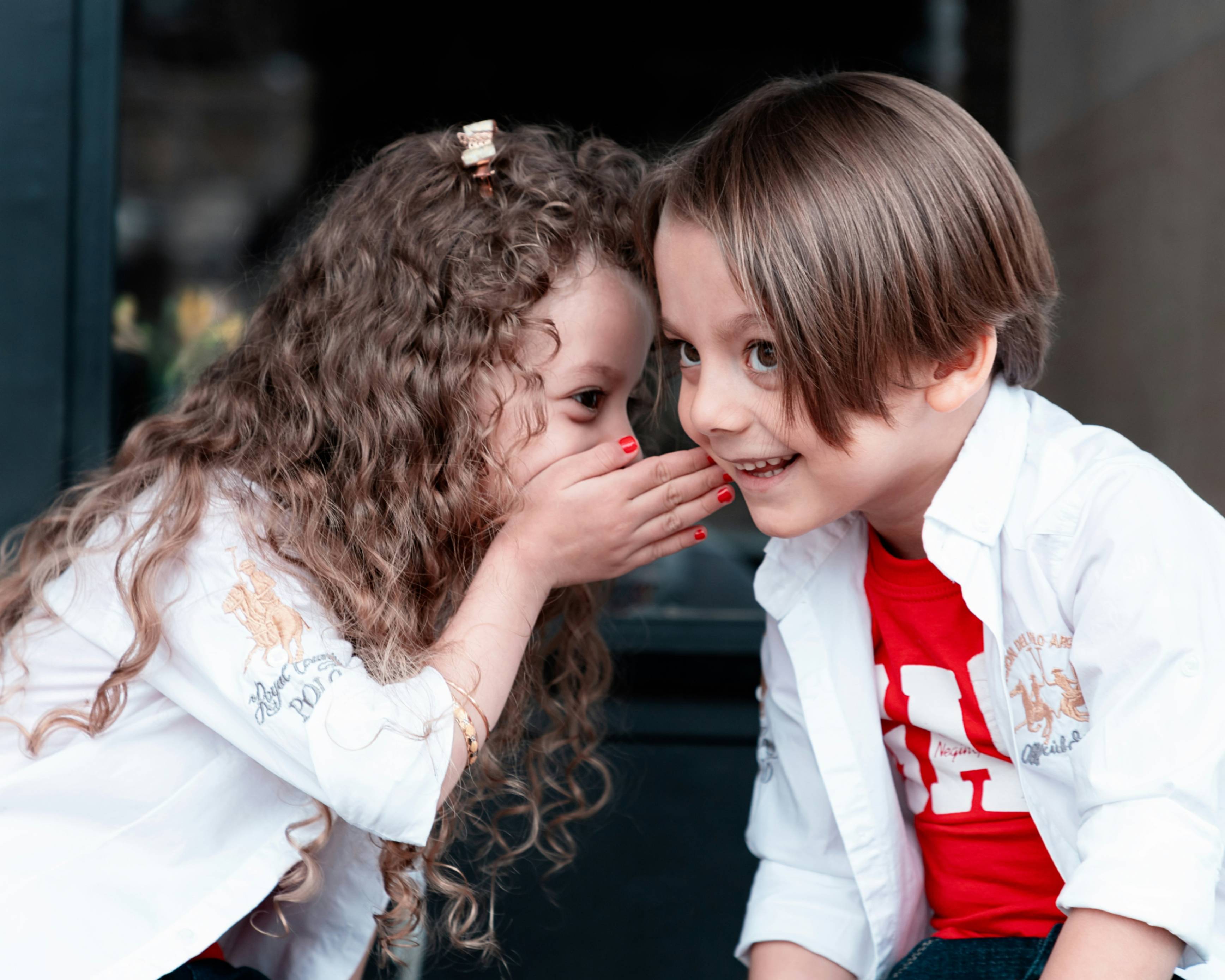
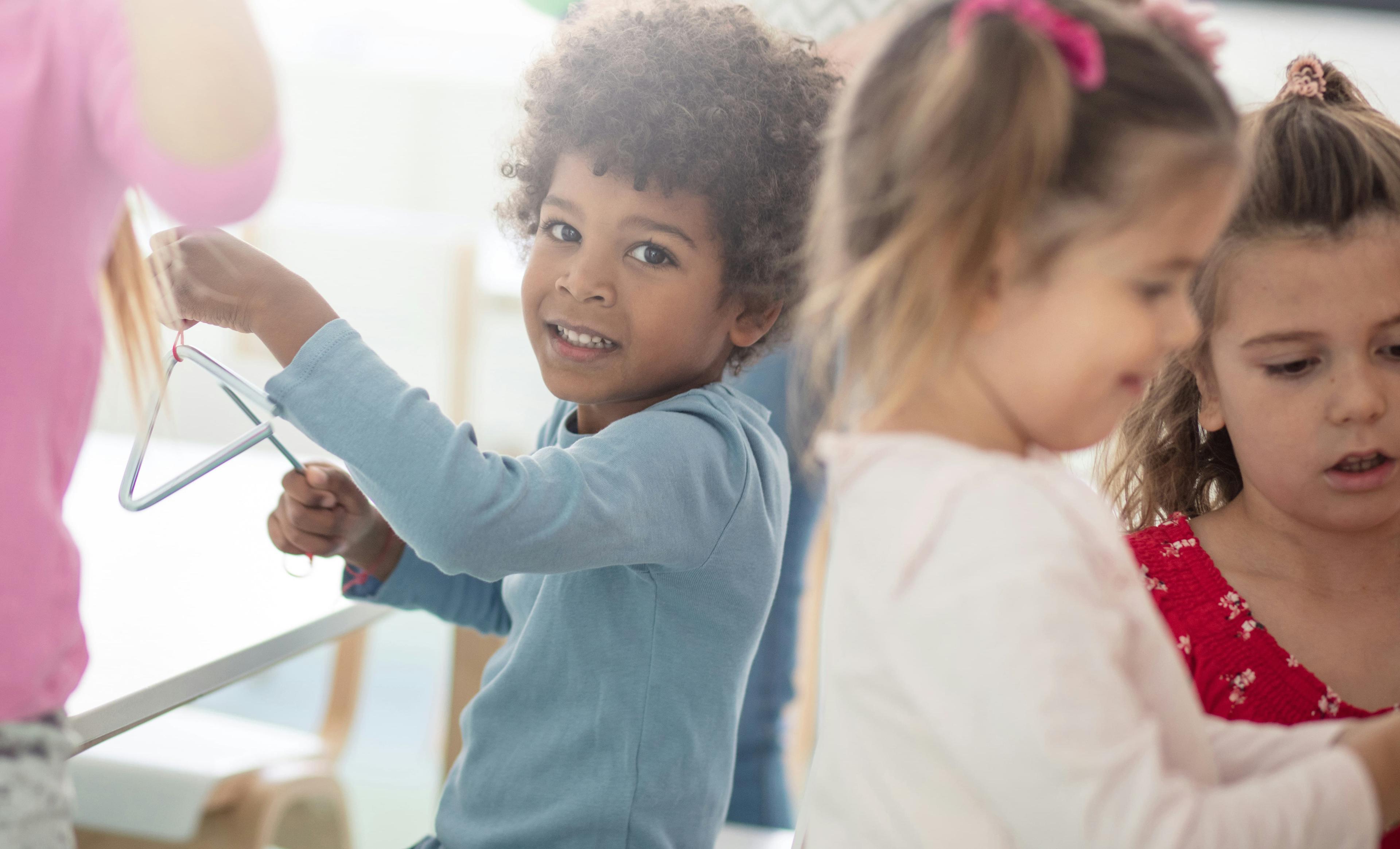
Strolling into any early childhood classroom, one would be met with a symphony of sounds - the hum of curiosity, the laughter of youngsters, and the gentle guidance of teachers aiding toddlers in finding their words. However, language development extends beyond vocabulary lists or achieving specific milestones. It's about fostering connection, fostering identity, and equipping children with the means to share their world with others.
Each child learns to walk and to speak, understand, and express themselves on their own unique timeline. As professionals in this field, we must remember not to dwell on what's wrong, but rather, to focus on what's strong. When we apply this mindset to language development, we shift from assessing children by what they lack to nurturing what they bring.
So, what exactly is language development? It isn't solely about spoken words. It encompasses receptive language (understanding others), expressive language (communicating needs, thoughts, and feelings), nonverbal communication (gestures, eye contact, body language), and social language (understanding how and when to use words in context). In early childhood, language emerges through play, songs, routines, and most importantly, relationships.
Importantly, children don't simply learn language by hearing it. They absorb it by being in a relationship with people who tune in, respond, and give room for their voice, even as it's still developing. This process doesn't necessitate flashcards or advanced programs. Instead, it requires slowing down, making eye contact, using real words instead of "baby talk", and waiting patiently for their response, even if it's just a glance, a babble, or a point. This back-and-forth interaction, known as serve and return, forms the foundation of robust brain development and emotional security.
Importantly, not all children develop language in the same manner, which is not only acceptable, but expected. Some toddlers are able to speak in full sentences before they turn two, while others may not use spoken language at all, yet still communicate effectively through gestures, visuals, or assistive technology. Instead of focusing on "delay", we should concentrate on how a child is attempting to connect. Are they showing interest in others? Do they use eye gaze or gestures? Are they vocalizing or using sounds rhythmically? Are they responding to songs or stories? All these are language behaviors, even if they don't involve words.
There are several strategies to bolster language in every child. Firstly, talk, even when they don't talk back. Narrate your day like a story, as even if the child can't respond yet, your words are planting seeds for understanding. Secondly, read early and often. Books expose children to rhythm, rhyme, new vocabulary, and the joy of storytelling. Thirdly, use music and movement as they reinforce patterns, vocabulary, and memory. Fourthly, model instead of correcting. For instance, if a child says, "Dog runned," respond with, "Yes! The dog ran so fast!" Lastly, celebrate all forms of communication, as a point, a glance, a sound, a gesture, are all building blocks of expressive language.
Partnering with families is also important. It's natural for families to worry if their child isn't "on track" with talking. As educators, we have a responsibility to normalize variability in development, share strategies that feel doable at home, and celebrate what is going well before flagging concerns. Encourage families to talk during everyday routines, limit screen time in favor of face-to-face interaction, and play simple, imaginative games.
In conclusion, language is not just a skill—it's a bridge to belonging. When we nurture early communication with warmth, patience, and respect for individual differences, we help every child feel seen, heard, and valued. So the next time you’re worried a child “isn’t talking yet,” pause and look deeper. Maybe they’re already telling you something—through their eyes, their hands, their laughter.
[1] American Speech-Language-Hearing Association. (n.d.). How Does Your Child Hear and Talk? Brochure. From www.asha.org/public/speech/development/chart.htm[2] American Speech-Language-Hearing Association. (n.d.). Stages of Play from Birth to 6 Years. From www.asha.org/public/speech/development/Parent-Stim-Activities/[3] Center on the Developing Child at Harvard University. (2009). Five Numbers to Remember About Early Childhood Development (InBrief). From www.developingchild.harvard.edu[4] Mayo Clinic. (2020). Language development: Speech milestones for babies. From www.mayoclinic.org/healthy-lifestyle/infant-and-toddler-health/expert-answers/baby-talk/faq-20057973 [5] National Association for the Education of Young Children. (2020). 10 Tips for Choosing Good Books for Infants and Toddlers. From www.naeyc.org/our-work/families/10-tips-choosing-books


Join the discussion
Members can read and add comments on every article.