School Leadership’s Loneliest Struggle—and How to Beat It

When I first stepped into school leadership, I expected it to be hard. I expected the long hours, the difficult conversations, and the pressure to perform. What I didn’t expect was how lonely it would feel and how even on a team, surrounded by people, the weight of the job could feel like it was mine alone to carry.
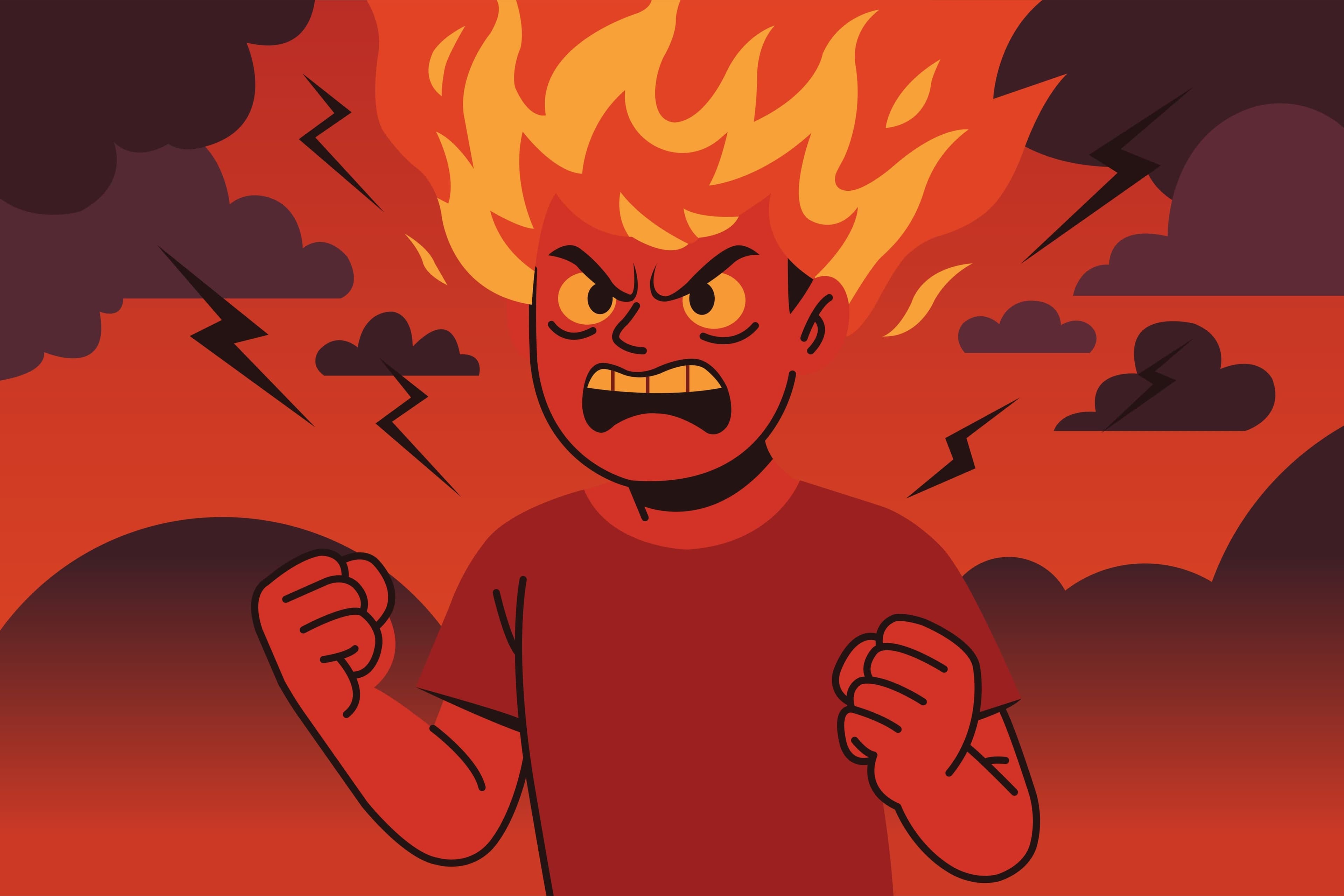
The biggest challenge I’ve faced in this work hasn’t been instructional strategy, staffing, or community engagement. It’s been the unrelenting demand to be everything to everyone; often at the expense of my own well-being. It’s a hidden challenge that many school leaders know all too well: role overload and isolation. The longer we ignore it, the more it chips away at our capacity to lead with purpose, empathy, and sustainability.
I remember a particular morning, years ago, when I found myself sitting in my car in a parking lot, physically frozen with exhaustion. I had barely slept, I had six meetings back-to-back, and I couldn’t remember the last time I’d eaten lunch without multitasking. That day, I didn’t walk into the building feeling strong or focused, I walked in disconnected from myself. I still performed as a leader, but I was running on fumes. It was in that moment I realized: if I didn’t start taking care of myself, I couldn’t take care of anyone else.
What makes school leadership uniquely taxing is not just the volume of tasks, but the emotional labor of the role. We are expected to be calm during conflict, inspiring during chaos, and always available. Yet we rarely talk about how depleting this is when you're doing it without meaningful support.
This isn't just my experience. Research shows that principals report higher levels of job-related stress than nearly any other profession in education, with over 50% considering leaving their roles due to burnout [1]. And it’s not just stress, it’s the isolation that comes with being the final decision-maker, the one who’s supposed to have answers, but often feels like they're drowning in questions.
Ironically, when leaders struggle under the surface, they’re often praised for their resilience. But this resilience is sometimes just silent suffering. We’re good at showing up. We’re less good at showing vulnerability, or asking for help, or setting limits. The culture often celebrates the leader who works 70 hours a week, answers every email at midnight, and skips lunch, but that version of leadership is neither healthy nor sustainable.
What helped me shift wasn’t a new calendar app or time management system; it was a mindset change. I had to stop seeing self-care as indulgent and start seeing it as leadership work. I began with small boundaries: blocking off 30 minutes each day for reflection, protecting one evening a week for family, and not answering emails after a set time. I started journaling again, asking myself not just “What did I get done today?” but “How did I show up today?” And gradually, I noticed a change. I was more present with staff. I made clearer decisions. I actually had the energy to think strategically rather than just reactively.
What I’ve learned is this: self-care is not separate from leadership. It’s the foundation of it. When I take care of myself, I show up as the leader my team needs. Not just someone who can solve problems, but someone who listens, adapts, and inspires. That’s not selfish; that’s responsible.
Beyond personal habits, I also began to rethink how leadership should be shared. We’re not meant to do this alone. Building distributed leadership structures where emerging leaders are empowered to take ownership—relieves the pressure from one individual and makes the entire school stronger [2]. It also builds trust, which is essential in creating a school culture that’s resilient and responsive.
I also found strength in connection. Forming a small peer leadership circle with other leaders became one of the most sustaining practices of my career. It was a space where I didn’t have to perform. I could speak honestly, share mistakes, and hear “me too” from people who understood. This kind of peer support is powerful, and far too rare in our profession.
There’s one more thing I’ve learned: recognition matters. It’s not just students and teachers who need to feel seen, leaders do too. We carry a lot behind the scenes, and when someone takes a moment to say, “I see how hard you’re working” or “That was a great decision you made,” it makes a difference. Leaders are human. We need encouragement. And when we receive it, we’re more likely to stay engaged, to take risks, and to lead with heart [3].
The most dangerous myth in school leadership is that we can do it all. We can’t. And we shouldn’t try. The work is too important to be built on martyrdom. If we want thriving schools, we need thriving leaders. That means rewriting the leadership script: one that prioritizes support over stoicism, collaboration over isolation, and sustainability over survival.
I still have tough days. But I don’t feel alone in them anymore. I’ve built systems around me, and within me, that make it possible to lead with clarity and care. And that’s what our schools need most: leaders who are present, not just performing.
References
NASSP & Learning Policy Institute. (2021). "Principal Turnover: Insights from the Field." https://nassp.org
Leithwood, K., Harris, A., & Hopkins, D. (2020). "Seven strong claims about successful school leadership revisited." School Leadership & Management, 40(1), 5–22.
Grant, A. (2013). Give and Take: A Revolutionary Approach to Success. Penguin Books.