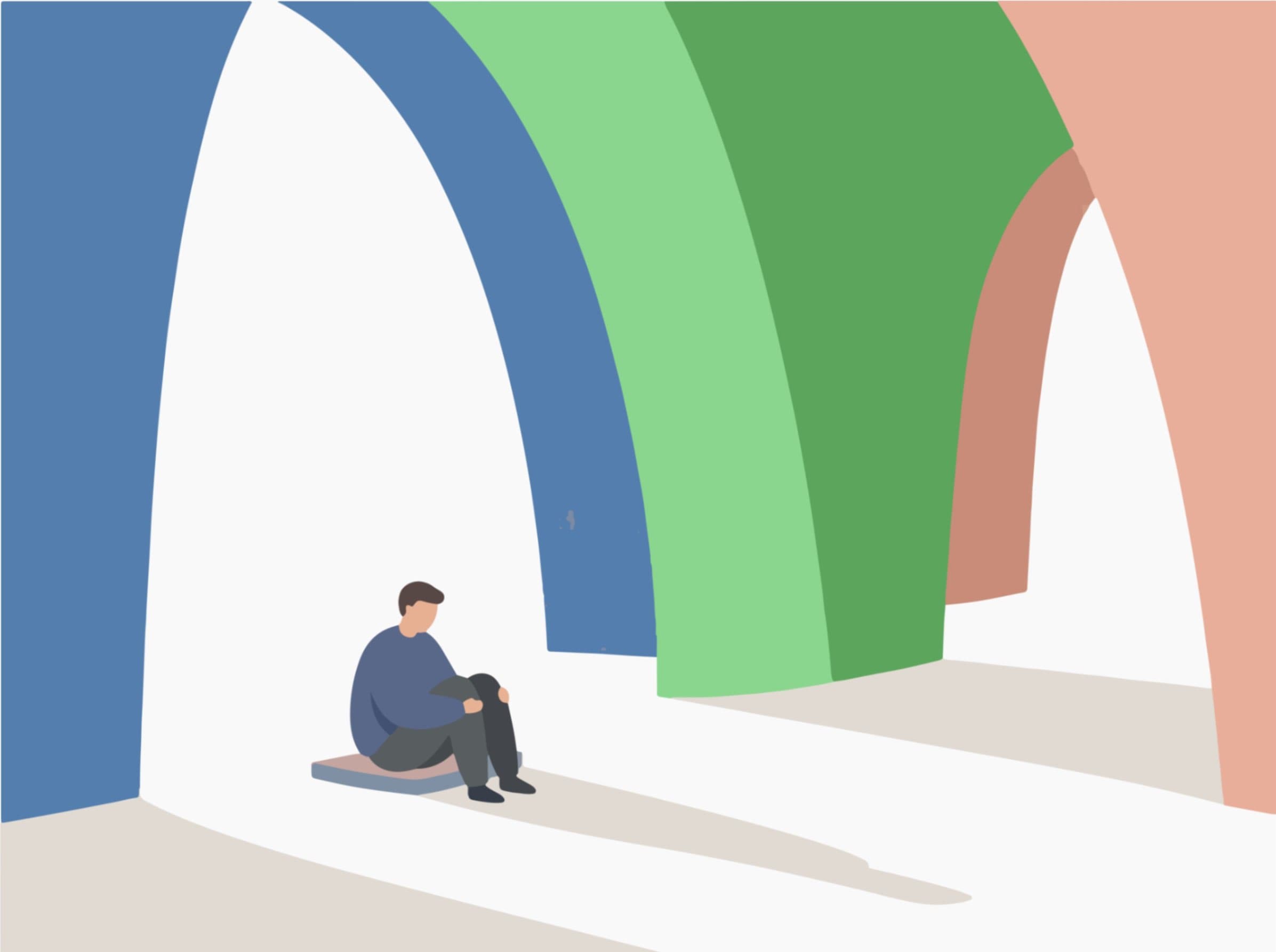
Rural HIV, Real Results: Integrated Care Models Bring Hope to Aging Populations

In the rural South, growing older with HIV often means facing more than just the HIV virus. Many older adults in these communities manage multiple chronic conditions while contending with stigma and limited access to specialized care. Integrated care models offer a promising solution, bringing compassion and coordination under one roof. Patient-centered medical homes, for example, combine primary care, HIV treatment, and mental health support. This model helps patients age with dignity and improves treatment adherence among older people living with HIV (PLH)1.
Federally Qualified Health Centers (FQHCs) and Ryan White Program providers have led the way in implementing integrated models in rural Southern communities. These clinics often employ community health workers and peer navigators who understand local cultural dynamics and can build trust with older PLH. This approach helps reduce stigma and provides access to wraparound services such as housing, food, and behavioral health support. Addressing multiple social determinants of health through a single point of care is both cost-effective and essential in areas with limited provider availability2.
The Role of Transportation and Mobile Health Units
Transportation remains a major barrier to care for older PLH in rural areas. Many lack access to reliable vehicles or public transit. This often leads to missed appointments and delayed treatment. Some communities have responded with partnerships between healthcare providers and local transportation services, including non-emergency medical transportation (NEMT) programs funded through Medicaid. These services help reduce care gaps by providing scheduled rides to clinics, pharmacies, and support groups3.
Mobile health units have also been deployed to reach older PLH in underserved areas. Equipped with exam rooms, testing tools, and telehealth connections, these units deliver antiretroviral therapy, screenings, and mental health consultations directly to patients. In Alabama and Mississippi, mobile clinics supported by university health systems and nonprofits have helped normalize care and build trust in communities that may be hesitant to engage with traditional health systems4.
Cultural Sensitivity and Community Engagement Strategies
Cultural and religious beliefs in the rural South contribute significantly to HIV stigma, particularly in communities where churches are central to social life. Fear of judgment often leads to social isolation and untreated health conditions. In response, organizations have partnered with faith leaders to promote education and compassion-based care5.
Training local health workers and clergy to discuss HIV and aging openly has helped shift perceptions. In Georgia and Louisiana, health departments have hosted workshops for religious leaders focused on HIV education and supportive care. These leaders then act as advocates, reducing shame and encouraging care-seeking. Locally-led efforts that reflect long-standing cultural values are more likely to succeed in reducing stigma and improving health literacy6.
Policy and Programmatic Innovations to Address Economic Barriers
Generational poverty and lack of employer-sponsored insurance contribute to coverage gaps for older PLH in the rural South. While many rely on Medicare or Medicaid, not all qualify due to income or eligibility rules. In states that have not expanded Medicaid, coverage gaps are even more pronounced. To bridge these gaps, some health systems and nonprofits use sliding scale fees and grant-supported care programs7.
Policy advocacy has also helped improve access. Some jurisdictions have created local safety net programs funded by health levies or philanthropy, covering costs for medications, lab tests, and referrals. Additionally, increased Ryan White Part B funding to rural states has strengthened support for older PLH. These targeted investments show that economic barriers can be addressed through creative and localized solutions8.
Building Resilience Through Peer Support and Mental Health Services
Mental health is vital for older PLH, who often face depression, anxiety, and past trauma. Rural isolation can intensify these challenges. Peer support programs have emerged as a powerful intervention, connecting individuals with shared experiences. In Arkansas and South Carolina, peer-led support groups embedded in HIV care programs have helped reduce isolation and improve treatment adherence9.
Behavioral health services, especially when co-located with primary care or offered via telehealth, are essential. However, provider shortages in rural areas limit access. To overcome this, some clinics use telepsychiatry models supported by academic medical centers and reimbursed through Medicaid or grants. Ensuring confidentiality and cultural competence in mental health care is key to building trust with older PLH10.
Prioritizing Holistic and Sustainable Approaches
Meeting the complex needs of older adults with HIV in the rural South requires integrated strategies that combine medical, behavioral, and social support. Holistic care models that reduce logistical barriers are more likely to improve outcomes. Transportation solutions, cultural sensitivity, and policy innovation all play a role.
As this population grows, sustainable infrastructure is critical. Investment in peer support, integrated care, and poverty reduction will help ensure that older PLH are not left behind. By tailoring services to the unique challenges of the rural South, providers can uphold the dignity and health of aging individuals living with HIV.
Bibliography
Centers for Disease Control and Prevention. "HIV and Older Americans." CDC, 2022. https://www.cdc.gov/hiv/group/age/olderamericans/index.html.
Health Resources and Services Administration. “Ryan White HIV/AIDS Program Annual Client-Level Data Report.” HRSA, 2021. https://hab.hrsa.gov/data/data-reports.
National Rural Health Association. "Transportation and Health Access in Rural Communities." NRHA Policy Brief, 2020. https://www.ruralhealthweb.org/.
University of Mississippi Medical Center. "Mobile Health Clinics Improve Access in the Delta." UMMC News, 2021. https://www.umc.edu/news/.
Southern AIDS Coalition. "Faith and HIV: Reducing Stigma in the South." SAC Report, 2020. https://southernaidscoalition.org/reports/.
Georgia Department of Public Health. "HIV and Faith-Based Initiatives." GDPH Report, 2021. https://dph.georgia.gov/.
Kaiser Family Foundation. “The Coverage Gap: Uninsured Poor Adults in States that Do Not Expand Medicaid.” KFF, 2023. https://www.kff.org/medicaid/issue-brief/the-coverage-gap-uninsured-poor-adults-in-states-that-do-not-expand-medicaid/.
National Alliance of State and Territorial AIDS Directors. "Ending the HIV Epidemic in the U.S.: Jurisdictional Profiles." NASTAD, 2022. https://www.nastad.org/.
HIV Age Positively Initiative. “Supporting Older People Living with HIV.” ViiV Healthcare, 2021. https://www.viivhealthcare.com/en-us/hiv-age-positively/.
American Psychiatric Association. "Telepsychiatry in Rural America." APA Report, 2022. https://www.psychiatry.org/news-room/news-releases/telepsychiatry-expands-access-to-rural-areas.