Reframing Work-Life Balance as a Dynamic System

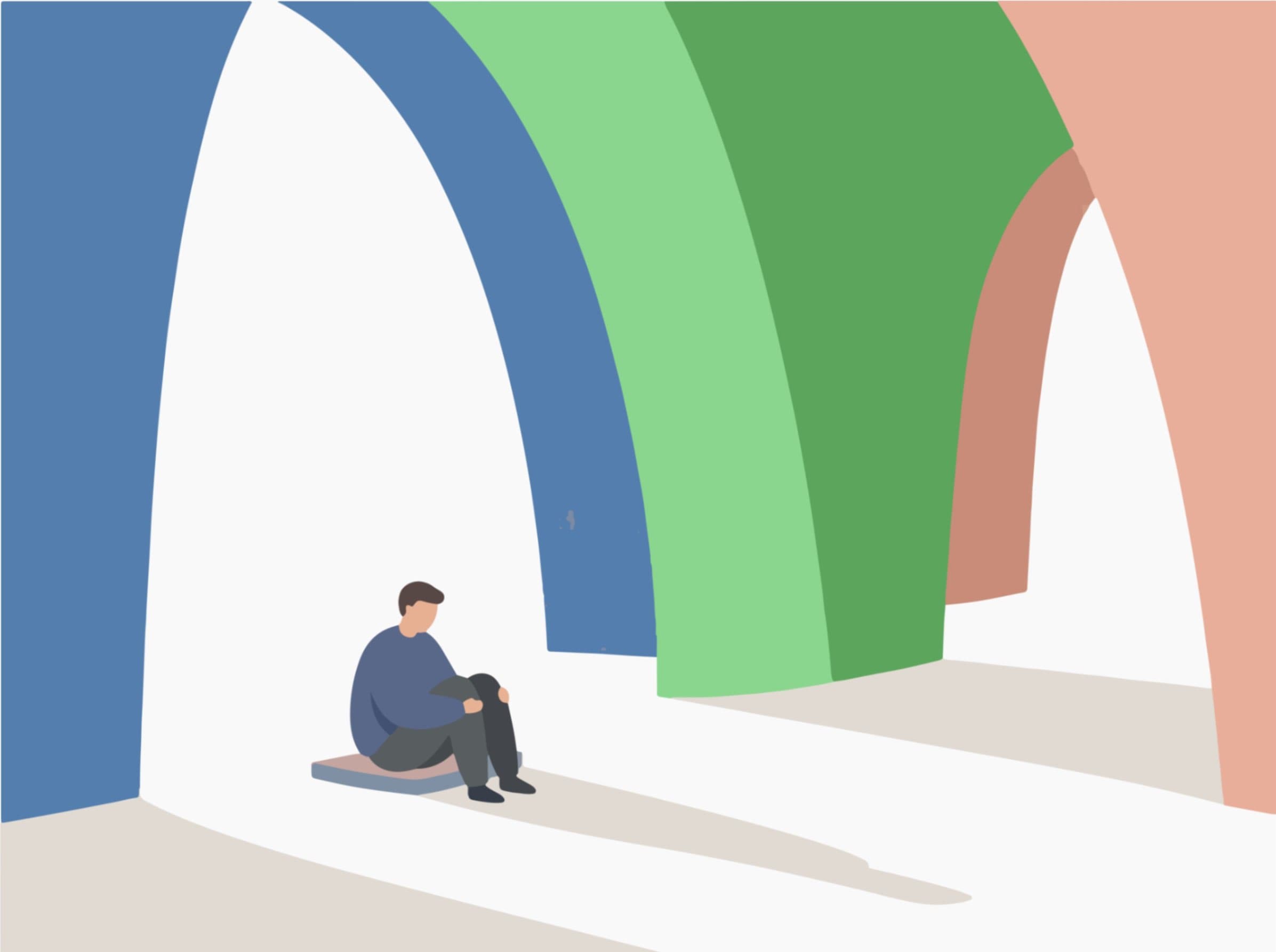
Rather than striving for a perfect equilibrium, municipal professionals should view work-life balance as a fluid system that adapts over time. Career demands, family responsibilities, and personal priorities fluctuate, especially in roles that require responsiveness to community needs. A rigid definition of balance can lead to frustration, whereas a flexible framework allows for intentional prioritization based on current circumstances. This mindset shift is particularly useful in government settings where emergencies, budget cycles, and council mandates often disrupt predictable schedules.
One practical approach is to identify “core hours” when deep focus or collaborative work is expected and pair those with protected personal time. For example, a municipal planning department might agree that 10 a.m. to 3 p.m. are core hours for meetings and client consultations, allowing staff to manage their remaining time for administrative tasks or personal obligations. This structure supports accountability while offering autonomy, which research shows is a key driver of job satisfaction and resilience in high-demand professions like local government management (Perry and Wise 1990)1.
Using Technology Intentionally to Reduce Cognitive Load
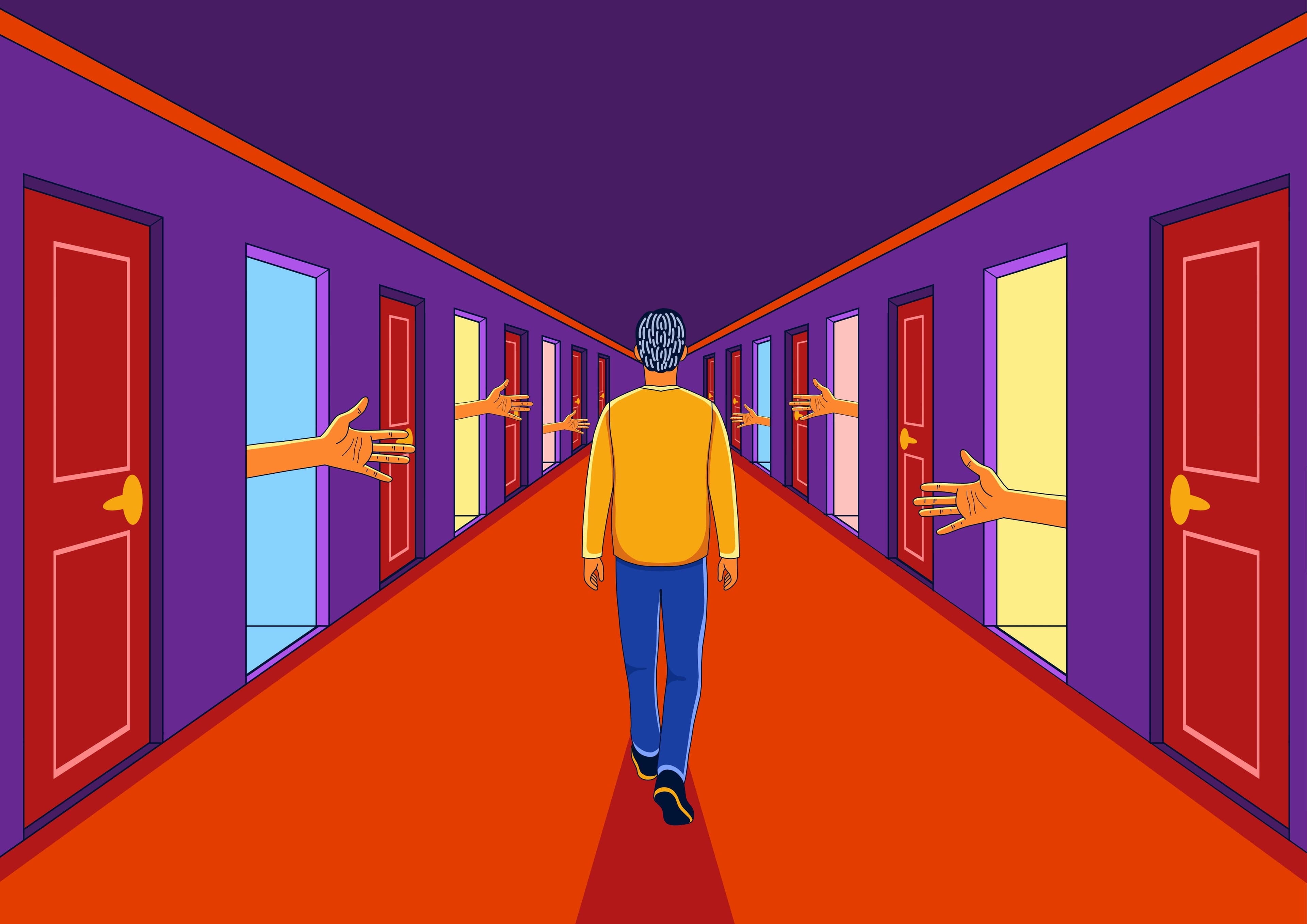
Building on the idea of auditing notification settings, it is equally important to examine how workflow tools are configured. Municipal staff often juggle multiple platforms—email, document management systems, calendar apps, and internal messaging tools. Without clear boundaries, these tools can generate constant interruptions that reduce productivity and elevate stress levels. Time-tracking studies have found that workers lose up to 40% of their productive time due to frequent task switching and digital distractions (Mark, Gudith, and Klocke 2008)2.
One solution is to create “focus zones” by setting rules in collaboration platforms like Microsoft Teams or Slack that mute non-critical notifications during designated work blocks. Teams should also agree on communication norms, such as using email for non-urgent matters and reserving text messages for emergencies. In municipal environments, where team members may work across multiple departments or locations, clarity around communication expectations prevents misunderstandings and reduces pressure to be perpetually available.
Leadership’s Role in Modeling Sustainable Work Practices
Leaders set the tone for work-life balance, both in policy and behavior. If senior staff routinely send emails late at night or praise employees for skipping vacation, they unintentionally normalize unsustainable practices. In contrast, when managers model healthy boundaries—by leaving on time, taking their own leave, and honoring “do not disturb” hours—they empower their teams to do the same. A study by the Center for Creative Leadership found that employees are significantly more likely to feel supported in achieving balance when their supervisors demonstrate it themselves (Hill et al. 2014)3.
Municipal departments should also embed balance into performance evaluations and staff development plans. Instead of valuing only output and responsiveness, criteria can include time management, delegation, and communication of availability. For example, a human resources director might include indicators such as “effectively manages workload to prevent burnout” or “collaborates with peers to share high-demand periods.” These signals reinforce that balance is a shared organizational goal, not an individual burden.
Designing Workflows That Respect Human Limits
In the municipal context, recurring tasks like budget preparation, permit reviews, or council meeting planning often create predictable pressure points. Mapping these cycles and proactively redistributing workload can help prevent chronic overextension. For instance, a city clerk’s office might cross-train staff ahead of election season to ensure coverage and reduce reliance on a single point of failure. Similarly, rotating responsibilities for high-stress functions—like emergency response coordination—can reduce fatigue and foster team resilience.
Another tactic is to build in “recovery time” after peak periods. If a planning department completes a major zoning update, consider scheduling lighter workloads or professional development time in the following weeks. Research in occupational health shows that recovery periods are essential for maintaining long-term productivity and psychological well-being (Sonnentag and Fritz 2015)4. These adjustments, while small, communicate that the organization values sustainability over short-term gains.
Encouraging Cultural Norms That Value Personal Boundaries
Policies alone are not enough—work-life balance must be embedded in workplace culture. This includes normalizing the use of leave time without guilt, encouraging staff to disconnect during off-hours, and supporting flexible work arrangements where operationally feasible. Peer support is critical; when colleagues respect each other’s boundaries, it creates a reinforcing cycle of healthy behavior. Municipal leaders can facilitate this by recognizing team members who model respectful communication and by celebrating personal milestones alongside professional ones.
Regular check-ins also help identify hidden stressors. A parks and recreation manager, for example, might use monthly one-on-ones not just to review project status but to ask, “What’s taking up most of your energy right now?” or “Is there anything I can help you delegate?” These conversations signal that well-being is part of job performance—not separate from it. When staff feel seen and supported, they are more likely to stay engaged and committed to their roles (Maslach and Leiter 2016)5.
Conclusion: Reclaiming Control through Structure and Support
Work-life balance in municipal government is not about achieving perfection, but about making deliberate choices that align work with personal values. By using digital tools thoughtfully, fostering leadership accountability, designing sustainable workflows, and cultivating a supportive culture, practitioners can create environments where staff thrive without sacrificing their well-being. It requires both structural changes and interpersonal commitments—an ongoing process rather than a fixed destination.
The actionable takeaway for municipal professionals: Start with a calendar audit. Identify one recurring task that could be automated, delegated, or postponed. Then, block off one hour this week for uninterrupted focus and one hour for personal recovery. Small adjustments, consistently applied, can make a significant difference in reclaiming time and preventing burnout.
Bibliography
Perry, James L., and Lois Recascino Wise. “The Motivational Bases of Public Service.” Public Administration Review 50, no. 3 (1990): 367–373.
Mark, Gloria, Daniela Gudith, and Ulrich Klocke. “The Cost of Interrupted Work: More Speed and Stress.” In Proceedings of the SIGCHI Conference on Human Factors in Computing Systems, 107–110. New York: ACM, 2008.
Hill, E. Jeffrey, et al. “Work–Family Enrichment and Positive Spillover: Implications for Job Satisfaction and Performance.” Journal of Organizational Behavior 35, no. 2 (2014): 232–247.
Sonnentag, Sabine, and Charlotte Fritz. “Recovery from Job Stress: The Stressor-Detachment Model as an Integrative Framework.” Journal of Organizational Behavior 36, no. S1 (2015): S72–S103.
Maslach, Christina, and Michael P. Leiter. Burnout: The Cost of Caring. Cambridge, MA: Malor Books, 2016.