Public Works, Private Benefits: Why Infrastructure is Everyone’s Business
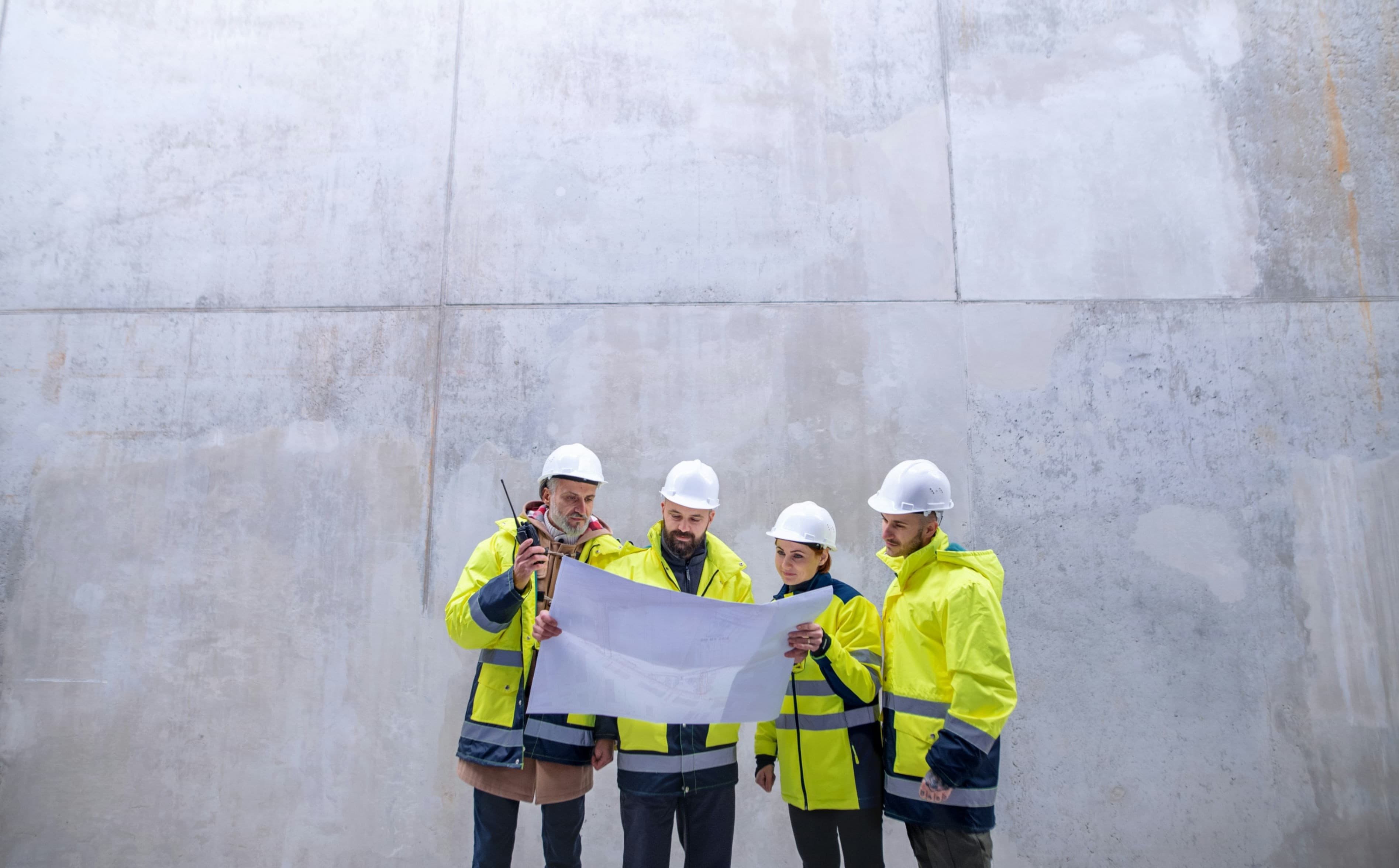
Public works departments touch nearly every part of a resident’s daily life, yet their impact often goes unnoticed unless a service fails. These departments are responsible for maintaining the infrastructure that supports clean water, traffic mobility, sanitation, stormwater management, and public buildings. When citizens participate in city council meetings or planning commissions, especially those involving public works projects, they gain insight into how these foundational services are managed and funded. This level of engagement is vital as it ensures community needs are accurately represented in infrastructure decisions.
Residents who attend these meetings can influence projects like road resurfacing schedules, utility upgrades, or the design of public spaces. For example, community feedback might shift a proposed street reconstruction project to include more pedestrian-friendly features or prioritize ADA compliance. Without public input, projects may proceed without considering how different users experience public infrastructure. By showing up to public works committee meetings, residents help shape a more accessible and sustainable city for everyone. According to the American Public Works Association, public participation is a critical component of effective infrastructure planning and delivery1.
Understanding the Project Lifecycle in Public Works
A practical way for residents and practitioners to engage with public works is to understand the lifecycle of a project. Every public works initiative typically follows a structured process: needs assessment, planning and design, budgeting, approval, construction, and ongoing maintenance. Early engagement during the planning and budgeting phases allows stakeholders to raise concerns, suggest improvements, or ask for additional amenities. For example, a drainage improvement project might be adjusted to include native landscaping after residents express concerns about environmental impact.
For city staff and elected officials, having an informed and active public can reduce conflicts later in the process. Public input early on often leads to better project outcomes because it allows designs to reflect actual community needs rather than assumptions. The Federal Highway Administration highlights that incorporating stakeholder feedback during the early planning phases improves both project efficiency and community satisfaction2. Encouraging residents to engage in these early stages helps build trust and ensures that infrastructure investments align with long-term land use and economic development goals.
Economic and Social Benefits of Strong Public Works Systems
Robust public works systems are directly tied to a city’s economic competitiveness. Efficient transportation networks reduce commute times and logistics costs, while reliable water and sewer systems attract commercial investment. A well-maintained public infrastructure network supports job creation not only through direct employment in construction and maintenance but also by enabling private sector growth. The Brookings Institution has documented how infrastructure investment contributes to regional economic development by improving access to markets and reducing operational costs for businesses3.
Public works also play a crucial role in addressing social equity. Well-lit streets, accessible sidewalks, and clean parks help create safer, more inclusive neighborhoods. These services are not just technical concerns; they are deeply tied to residents’ quality of life. Ensuring equitable service delivery requires data-driven planning and consistent community feedback, particularly from historically underserved areas. For example, the U.S. Environmental Protection Agency emphasizes equity in infrastructure investments by encouraging prioritized funding for disadvantaged communities4. This makes public participation in public works planning an important avenue for advancing social justice.
Practical Steps for Getting Involved in Public Works Discussions
Residents interested in becoming more active in city planning efforts can start by subscribing to their city’s meeting agendas and public notices, often available through municipal websites. Public works departments frequently hold open houses, capital improvement plan hearings, or transportation planning forums. Attending these events, even without a technical background, provides opportunities to ask questions, learn about upcoming projects, and voice preferences. Many cities also offer citizen advisory boards or public works commissions that residents can apply to join.
For municipal practitioners, improving public outreach is an ongoing challenge. It is not enough to post agendas online; materials should be accessible, translated if needed, and communicated through multiple channels. Hosting meetings at convenient times and locations, using visual aids to explain complex projects, and providing updates throughout construction all contribute to more meaningful engagement. The National Civic League recommends using participatory planning tools, such as community design charrettes or interactive mapping platforms, to increase public involvement in infrastructure decisions5.
Building Interdepartmental Collaboration to Advance Public Works Goals
Public works functions do not operate in isolation. Effective project delivery and long-term planning require coordination with departments such as planning, finance, parks and recreation, and emergency management. For instance, a street reconstruction project may involve utility coordination, tree preservation, and compliance with zoning codes. Establishing cross-departmental project teams helps streamline processes and ensures all regulatory, environmental, and community considerations are addressed.
City managers and public works directors should prioritize regular interdepartmental meetings, joint training sessions, and shared performance metrics. This collaborative approach reduces duplication of effort and improves resource allocation. According to the International City/County Management Association, integrated planning between public works and other civic functions leads to more resilient infrastructure systems and better fiscal outcomes6. Such collaboration is especially important as cities face increasing challenges related to climate adaptation, aging infrastructure, and changing population needs.
Investing in Workforce Development for Sustainable Service Delivery
A well-trained and adequately staffed public works team is essential for maintaining service quality and responding to emergencies. As experienced workers retire, cities must invest in recruitment, training, and retention programs to sustain core operations. Apprenticeship programs, partnerships with community colleges, and internal promotion pathways can help build a pipeline of skilled workers. Workforce development is not just about technical skills; it also includes leadership training, customer service, and understanding equity in service delivery.
Public works leaders should also support continuing education and certification programs, such as those offered by the American Public Works Association or the National Institute for Certification in Engineering Technologies. These programs enhance worker competencies and raise overall departmental performance. A 2022 survey by the National League of Cities found that workforce development is one of the top five challenges facing local governments, particularly in departments that manage physical infrastructure7. By prioritizing staff development, cities can improve service reliability and prepare for future demands.
Bibliography
American Public Works Association. “Public Engagement and Outreach.” APWA Reporter, October 2022.
Federal Highway Administration. “Public Involvement Techniques for Transportation Decision-Making.” U.S. Department of Transportation, 2021.
Brookings Institution. “Infrastructure Investment and Economic Growth.” Brookings Metropolitan Policy Program, April 2020.
U.S. Environmental Protection Agency. “Justice40 and Infrastructure Investments.” EPA Office of Environmental Justice, 2023.
National Civic League. “Civic Engagement in Infrastructure Planning.” National Civic Review, Summer 2021.
International City/County Management Association. “Collaboration Across Departments: A Guide for Local Governments.” ICMA, 2022.
National League of Cities. “State of the Cities 2022.” National Research Report, May 2022.