Outsmarting the Homework Standoff: Curiosity as the Secret Sauce
The other day, while sitting in the salon chair, my hairdresser shared a battle of wits and will that would humble any seasoned educator. Her elementary-aged children seemed to be engaged in a covert operation to outsmart her every ploy to get them to read and complete their homework. It was an epic tale featuring dramatic standoffs, sly negotiations, and even a hint of bribery. She declared it felt like conducting international diplomacy rather than parenting. Such tales of educational warfare are not uncommon. Parents and educators alike often face Herculean obstacles when trying to inspire genuine curiosity in children. But the key isn't in wielding coercive power; it's about tapping into a child's natural sense of wonder and using it to fuel their learning journey.
The Power of Curiosity: Let the Child Lead
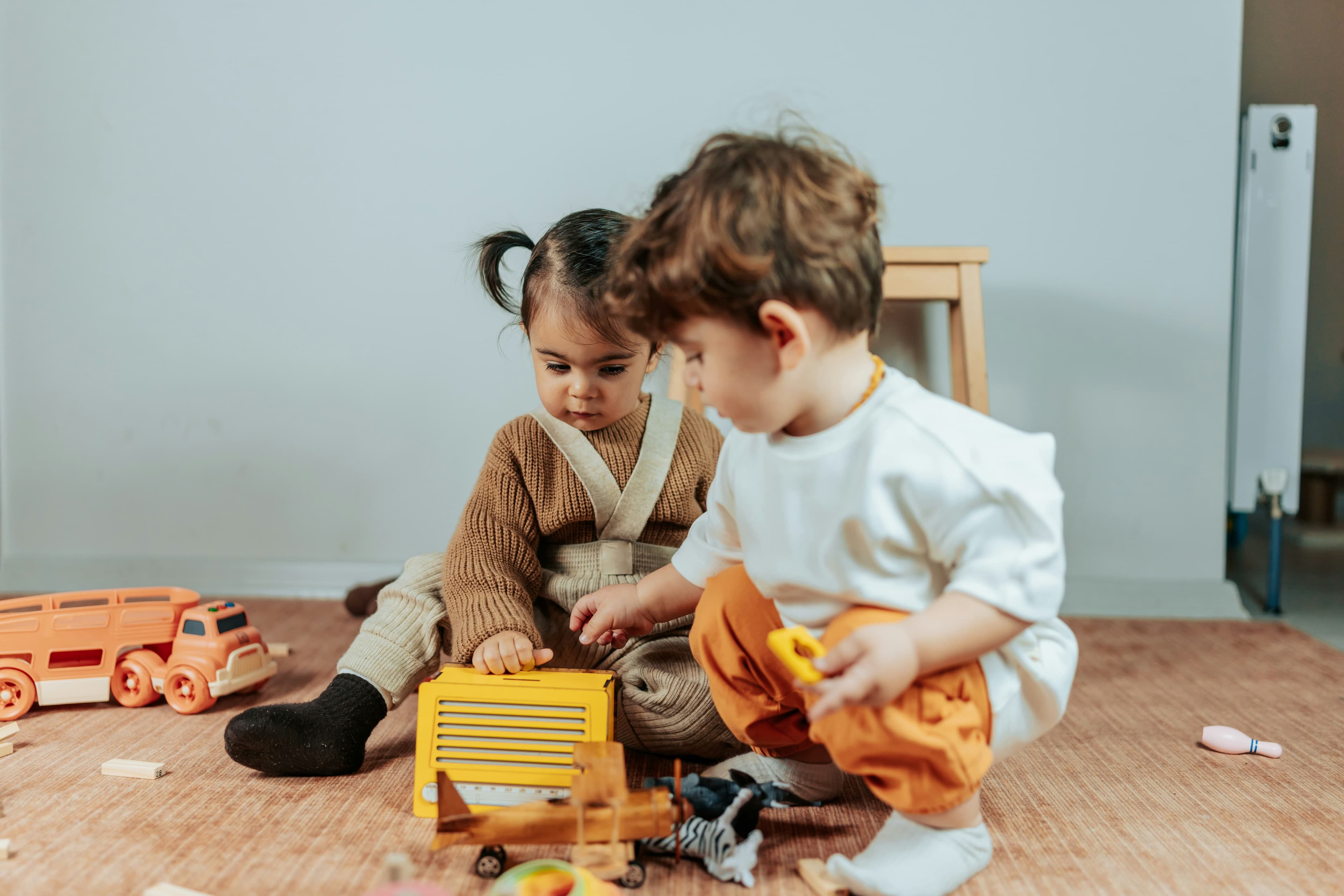
Imagine a world where students are eagerly awaiting their homework as much as they anticipate the latest superhero movie. This is not a flight of fancy but a potential reality where educators and parents pivot from traditional methodologies to ones that prioritize a child's interests. The most effective strategy is to align learning with students' existing passions. A study found that when children are engaged in topics they are curious about, they are not only more enthusiastic but also perform better academically (Engel 2013)1. Parents might take cues from this by initiating projects at home that interweave subjects like math and science with their child's love for building things or playing video games, thereby turning everyday interests into educational adventures.
Practical Strategies for Parents and Teachers
Turn Daily Routines into Learning Opportunities
Parents can transform mundane tasks into moments of discovery. For instance, turning off the TV volume and enabling closed captions encourages children to read along with their favorite shows. This method not only improves reading skills but also keeps the content engaging. Consider dinner time discussions that delve into what piqued the child’s interest that day. These conversations can naturally evolve into mini-research projects, where the child finds answers to questions raised during the meal and presents their findings in a fun, informal setting. It becomes a seamless path from curiosity to knowledge without the child even realizing they've switched gears from play to learning.
Teachers as Guides: Partnering with Parents
Teachers can support these strategies by encouraging parents to integrate learning into daily activities. For example, sending home simple experiments or challenges aligned with a child's interests can bridge school lessons with home activities, fostering a continuous learning environment. Teachers might also host workshops for parents, sharing creative ideas to tie children's passions into educational growth.
Learn from Missteps: Cautionary Tales
Not all strategies hit the mark. At times, overly structured or rigid attempts to force learning can backfire, leading to resistance and disengagement. Take a teacher who tried to convert a reluctant reader by assigning books rather than letting them choose. The student quickly lost interest, not in the material per se but in the lack of autonomy (Deci and Ryan 2000)2. This illustrates the importance of autonomy-supported environments where children feel they are directing their learning path.
A Call to Action: Ignite the Spark
The future of education isn't about dictating knowledge but about sparking flames that set students on fire for learning. Parents and educators must collaborate, sharing insights and creative strategies to make this a reality. Next time an opportunity arises to engage with a child about what they love, seize it. Listen to their ideas, their questions, and help them explore. The journey from curiosity to knowledge is the most rewarding for all involved. It's time to step out of conventional approaches and embrace methods that make learning a joyful pursuit. The groundwork for lifelong learning begins at the curiosity-nurtured roots of childhood.
Engel, Susan. 2013. "The Case for Curiosity." Educational Leadership. March 2013. https://www.ascd.org/el/articles/the-case-for-curiosity
Deci, Edward L., and Richard M. Ryan. 2000. "The 'What' and 'Why' of Goal Pursuits: Human Needs and the Self-Determination of Behavior." Psychological Inquiry 11, no. 4: 227-268. https://doi.org/10.1207/S15327965PLI1104_01